
Review · WHALE AND
Reykjavik: Whale Watching and Dolphin Watching Yacht Cruise
The big draw here is the chance to watch humpback whales close to Reykjavik, sometimes within the first 20 to 30 minutes. The trip also gives you a fine view of the city, mountains, islands, and open waters of Faxafloi Bay. I especially like the warm indoor lounge and the choice of outdoor viewing areas, plus the crew’s respectful approach when whales are nearby. The free return ticket if nothing is seen is a useful safety net.
I also like the smaller yacht option, MY Harpa, which carries up to 35 people and can feel more personal than a large sightseeing boat. The tradeoff is simple: you are at sea, not in an aquarium. Sightings are never guaranteed, and winter wind, spray, and rough water can make the outside decks cold and uncomfortable without proper clothing.
Key points to know before booking
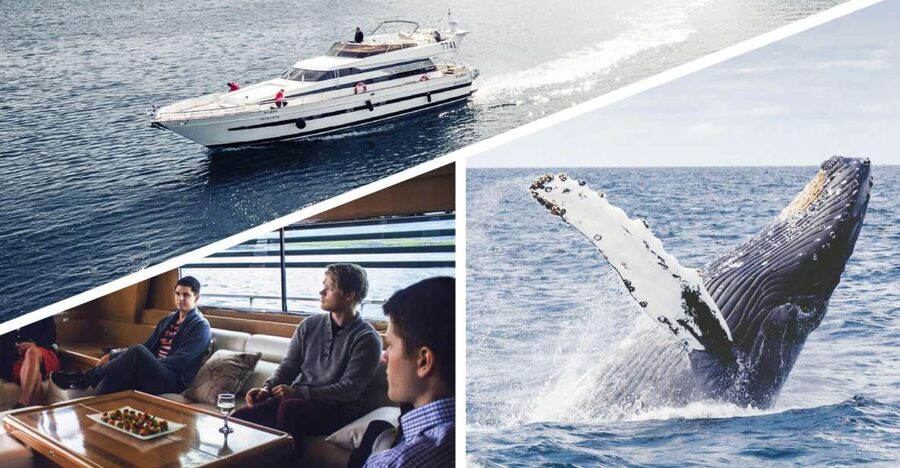
- Humpback whales are the main prize: They are frequently spotted in the supplied trip accounts, with some sightings lasting well over an hour.
- Summer adds puffins: You have the best chance from roughly mid-May through mid-August, along with dolphins, minke whales, and seabirds.
- Two yacht choices may operate: MY Harpa carries 35 people, while MY Amelia Rose carries up to 95.
- The boats offer real comfort: Expect a lounge, bar, salon, fly-bridge, indoor space, outdoor decks, WiFi, and blankets.
- The guide can make or break the trip: Guides such as Lucky and Rebecca have been praised for spotting animals quickly and explaining marine life clearly.
- Pack for cold and spray: Thick socks, ear protection, waterproof layers, and weather-ready clothing are sensible choices.
Leaving Reykjavik’s Old Harbor for Faxafloi Bay
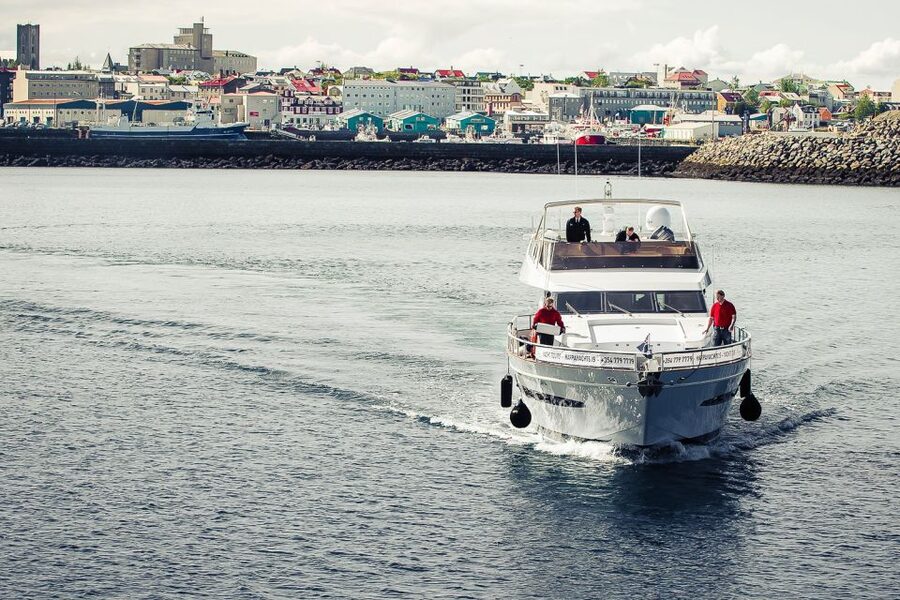
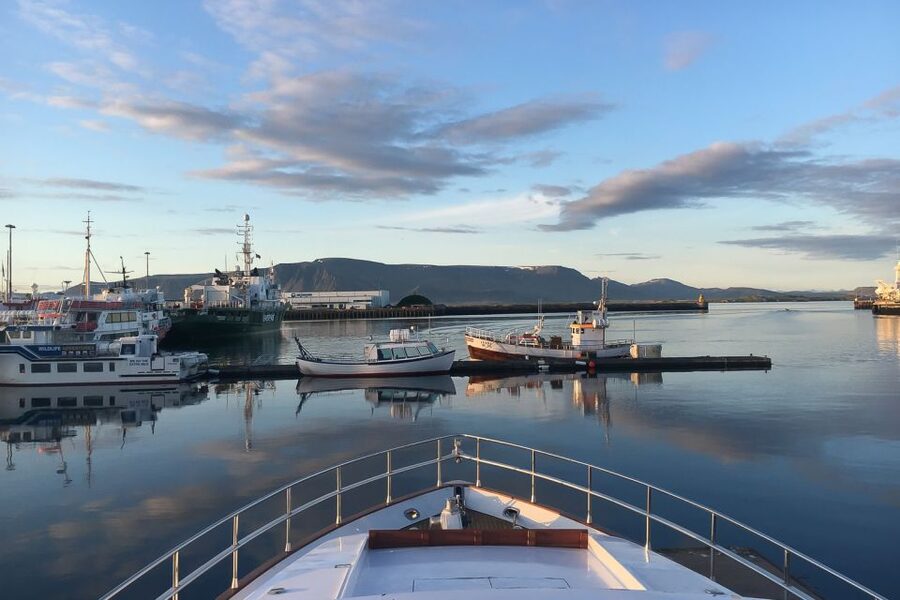
You check in inside the restaurant at a self-service kiosk before heading to the yacht. The meeting point is in Reykjavik’s Old Harbor, a handy starting place for a morning or afternoon on the water, though you should pay close attention to the exact instructions. One person arrived early but waited in the wrong spot and nearly missed the boat.
The cruise lasts about three hours. That gives the captain time to leave the harbor, search likely wildlife areas, pause around active animals, and return without turning the experience into a rushed race across the bay.
The first part is scenic even before a whale appears. You’ll see Reykjavik from the water, with the coastline, nearby islands, mountains, and familiar city landmarks forming the backdrop. I like this part because it gives you a different sense of Iceland’s capital. Instead of looking at the bay from shore, you see how exposed and open the city is.
The boats used for the trip are MY Harpa, a 70-foot yacht for up to 35 people, and MY Amelia Rose, a 105-foot yacht for up to 95. The smaller boat is the more intimate choice on paper. Still, the larger yacht has enough room for comfortable viewing, and one summer departure was described as uncrowded despite using the bigger vessel.
More Sailing and Yacht Dolphin Trips in the world:
- Tenerife: Eco-Yacht Whale and Dolphin Watching and Swimming
★ 4.7 · 15,619 reviews - Hurghada: 3 Islands, Dolphins & Snorkel Yacht Trip w/ Lunch
★ 4.7 · 4,609 reviews - Fuengirola: Dolphin Watching by Yacht with Snacks and Drinks
★ 4.5 · 1,729 reviews
What the yachts are like for a three-hour outing
This is not a basic open boat with a few hard seats. Both yachts have a lounge, bar, salon, fly-bridge, and decent indoor and outdoor areas. You can move around as conditions change, which matters in Iceland.
On a calm day, you may spend much of the time outside with a clear view of the water. On a cold or wet day, the indoor space becomes the main attraction. Several trips were described as warm inside, with comfortable seating and blankets available. Drinks and snacks can be bought at the bar, and some departures had reasonably priced options.
The layout also helps when wildlife appears on different sides of the boat. You are not forced to stay in one seat, and there is space to step outside when the guide calls out a sighting. The fly-bridge can offer a high viewing position, while the lower outdoor areas may feel easier in wind.
WiFi is included, so you can share photos while you are still on the bay. That is a useful extra, though I would keep your phone ready for the water rather than spending the whole trip trying to post pictures. Whales surface for seconds, and the best moments reward quick attention.
The crew also provides warm blankets. Take one early if you need it, since the cold builds quickly when you stand outside. Some departures had free seasickness tablets available, but you should still bring any medication you normally use.
Searching for humpbacks, minke whales, and dolphins
The wildlife search is the heart of the trip, and the crew uses current sightings to decide where to go. Guides have sometimes stayed with a whale for a long stretch, while at other times the boat has moved on to search for more activity.
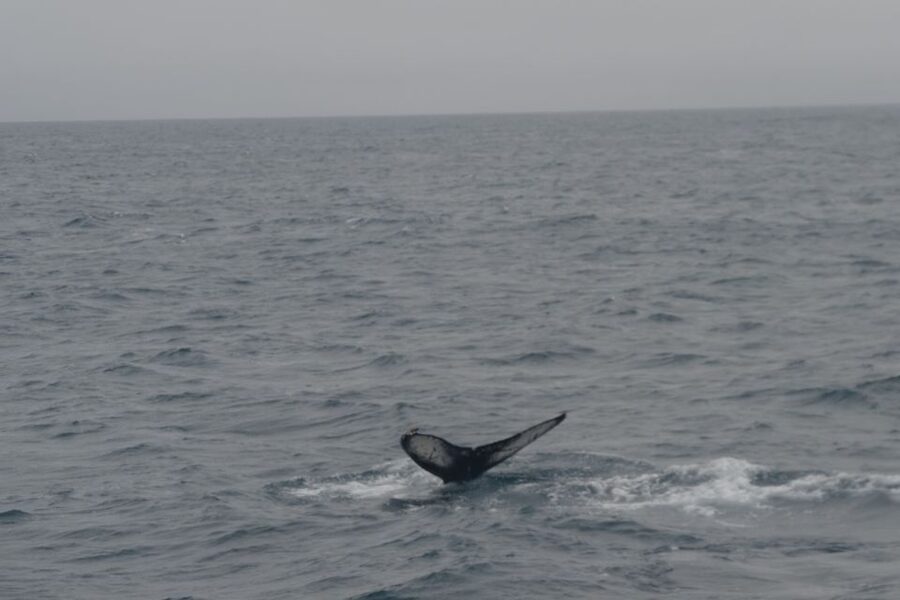
Humpback whales are the animals most often seen in the supplied accounts. Some groups saw two within half an hour. Others watched one whale for 90 minutes, or saw repeated tail flukes and surface activity. One winter sighting included a humpback breaching many times, though that kind of display is unusual and should not be treated as a normal part of the itinerary.
You may see only a back, blow, or tail fin. That can sound modest, but a whale’s size changes the feeling of the moment. When one rises close to the yacht, you get a clear sense of its scale without the artificial setting of a marine park.
Dolphins are another major possibility. A large pod has been seen on some trips, and several summer and spring departures included white-beaked dolphins. Harbour porpoises also appear from time to time. They are smaller and harder to spot, so listen closely when the guide points them out.
Minke whales and fin whales are possible too. One unusually successful summer outing included humpbacks, minke whales, dolphins, puffins, and a fin whale. Seeing several species in one trip is a lucky result, not something you should count on.
Seals and grey seals have also been seen. They are a pleasant bonus, especially when whale activity is quiet. The guide may also point out sea birds moving across the water, even when they are too quick or distant for good photographs.
Why the guide matters so much
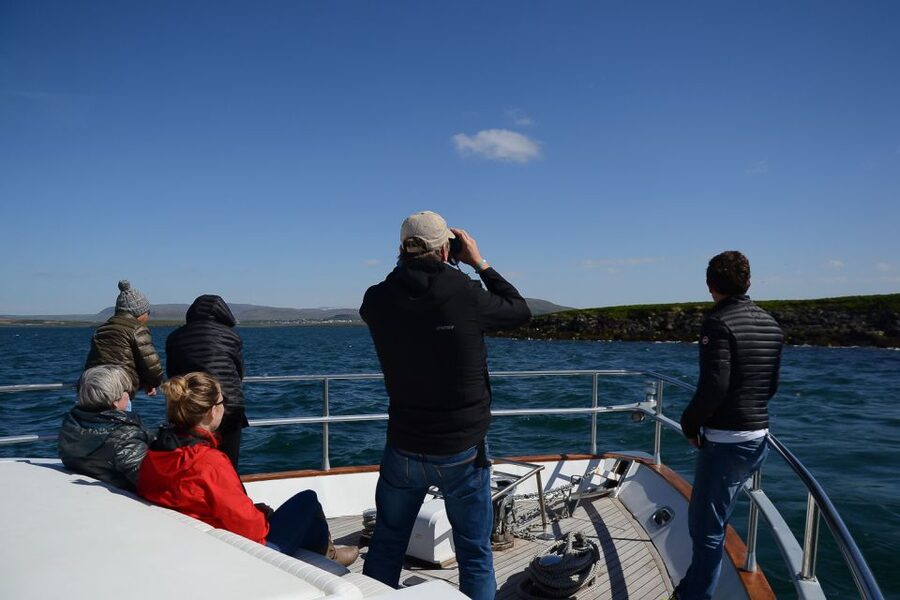
A good wildlife guide helps you see what your eyes would otherwise miss. Guides on these trips speak English and Icelandic, and several have been praised for clear explanations and fast spotting.
Lucky is one name that appears in several strong accounts. He has been described as passionate and quick to find whales before the group does. Rebecca has also guided departures, sharing detailed information while keeping the mood relaxed. Another guide was a marine biologist who explained both birds and marine animals and helped people learn when to watch for a surfacing whale.
That skill matters because a whale rarely announces itself with a perfect breach beside the boat. The guide may call out a direction, a clock position, or a short window before the animal surfaces again. You might miss the first appearance, then start to recognize the pattern after a few sightings.
I also appreciate the reported care around the animals. On one outing, the yacht moved away after spending time near whales to give them a break from boat traffic. That is the kind of conduct I want from a wildlife trip. You are there to observe, not to force an encounter.
The captain and guide work as a pair. The captain handles the yacht and position, while the guide watches the water and explains what is happening. When both are attentive, the trip feels purposeful rather than like a random search.
More Whale and Dolphin Watching Tours in the world:
- Los Cristianos Respectful No-Chase Whale and Dolphin Safari
★ 4.6 · 12,782 reviews - From Funchal: Ecological Catamaran Dolphin Whale Watching
★ 4.5 · 8,204 reviews - Funchal: Dolphin and Whale Watching Catamaran Cruise
★ 4.5 · 5,697 reviews - Costa Adeje: Whale & Dolphin Eco-Cruise with Snacks & Drinks
★ 4.6 · 5,096 reviews
Summer puffins and the changing seasons
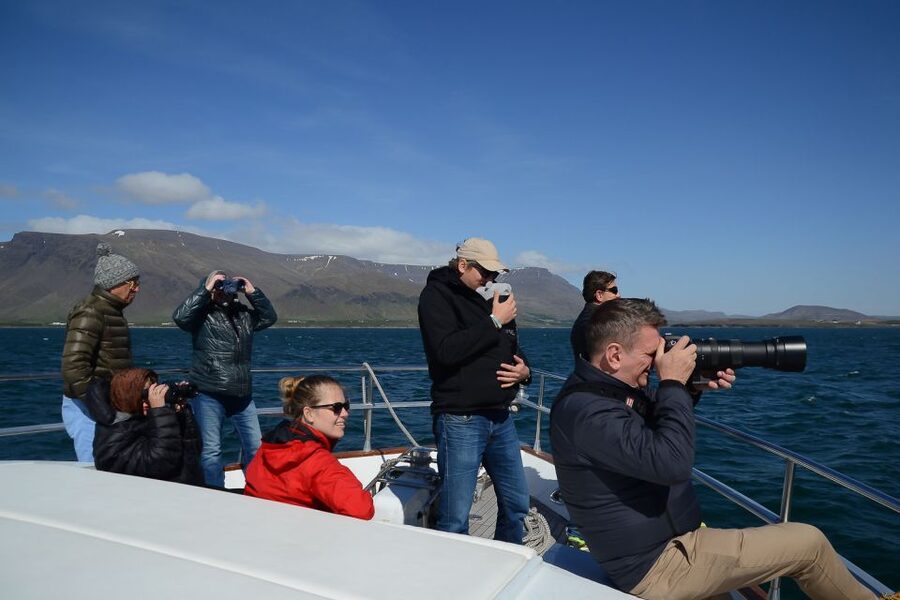
Puffins can be seen from approximately the middle of May to the middle of August. If puffins are high on your list, plan around that window rather than assuming they appear on every summer date.
Summer also brings longer daylight and good chances for dolphins, minke whales, humpbacks, and many sea birds. Several July and August trips included puffins along with whales and dolphins. The bay can feel more generous in summer, but nature still sets the schedule.
Spring can be rewarding too. April outings included puffins, dolphins, and humpbacks, along with changeable weather. One trip was extended to four hours because the crew wanted to continue searching for a whale. That shows good effort, but you should not assume every departure will run longer than the advertised three hours.
Winter has its own appeal. Humpbacks were seen in December, January, and February, sometimes very close to the boat. One December trip produced multiple whales, while another included whales and seals. Winter sightings can be excellent, but the outside deck is much harsher.
The short days can also create beautiful light. A January departure included a sunrise over the bay, with whales appearing only briefly. You need warm clothing more than ever in winter, especially on the fly-bridge. Thick socks, ear covers, gloves, and a waterproof outer layer are practical, not optional extras.
Sea conditions, comfort, and the real drawbacks
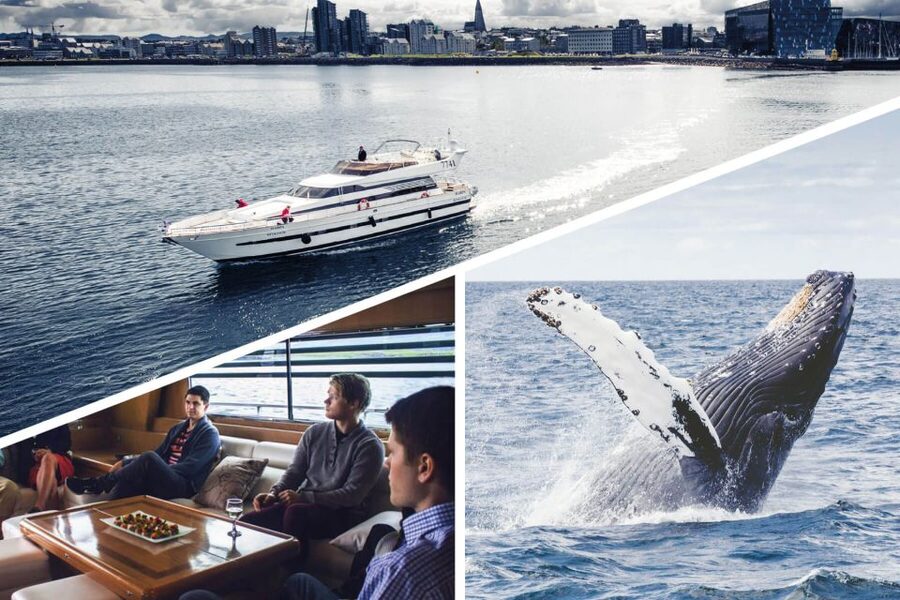
The biggest weakness is the weather. A sunny day can make the cruise feel easy, while wind and spray can turn the same route into a cold, wet outing. Several people stressed the need to wrap up well, and one described the wind as making the cold feel far worse.
The yacht is comfortable, but comfort does not remove motion. Rough water can cause seasickness, particularly toward the end of the trip or when the boat is outside the harbor. Free sickness tablets have been available on some departures, but I would not rely on that alone.
Inside seating may be limited on some boats. The lounge and bar provide shelter, yet you may need to give up your outdoor viewing position when you go inside to warm up. The sensible plan is to dress in layers and move between the two.
The return guarantee helps with the main risk. If you see no wildlife, your ticket includes the chance to return. That does not guarantee a whale on the second attempt, but it makes the $106 price easier to accept. Nature-based tours should never promise sightings, and this arrangement recognizes that reality.
Is $106 good value?
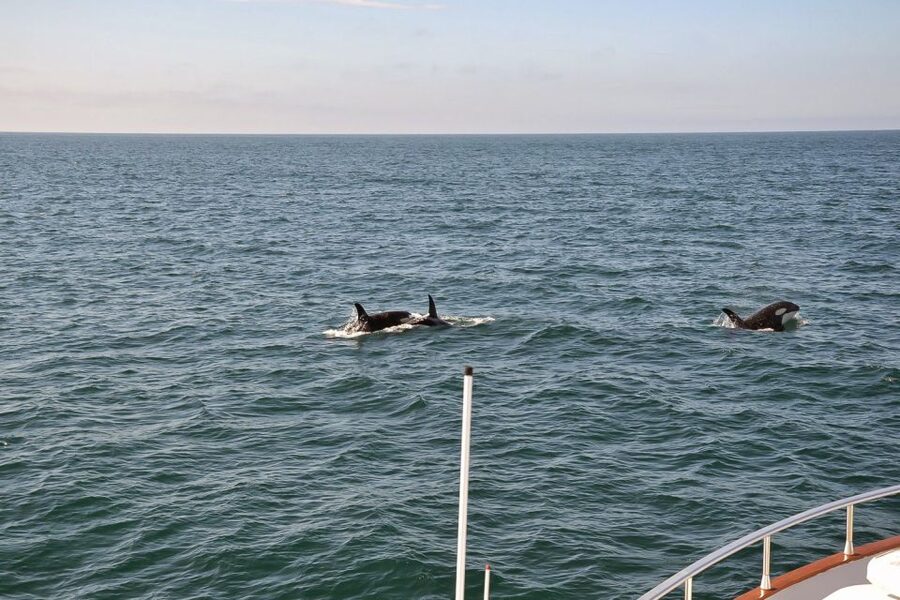
At $106 per person, this is not the cheapest way to spend three hours in Reykjavik. You are paying for a yacht rather than a basic boat, an onboard guide, comfort facilities, and a more personal feel on the smaller vessel.
I think the price is reasonable if seeing marine life is a major part of your Iceland plans. The experience combines wildlife watching with a scenic cruise, and the indoor lounge means you are not simply standing in the cold for the full three hours. The return option adds value when conditions are poor or the animals stay hidden.
The value is less clear if you dislike cold, wind, or uncertain outcomes. You could spend three hours seeing only sea birds and scenery, even with an experienced crew. The boat, guide, and bay views remain part of the experience, but you should be comfortable with that possibility before paying.
If your schedule allows, booking early in your stay gives the return ticket more practical value. You need enough time left in Reykjavik to use it if sightings fail. The reserve-now, pay-later option also helps if your plans are still shifting, and cancellation is available up to 24 hours before departure for a full refund.
Who will enjoy this yacht cruise most?
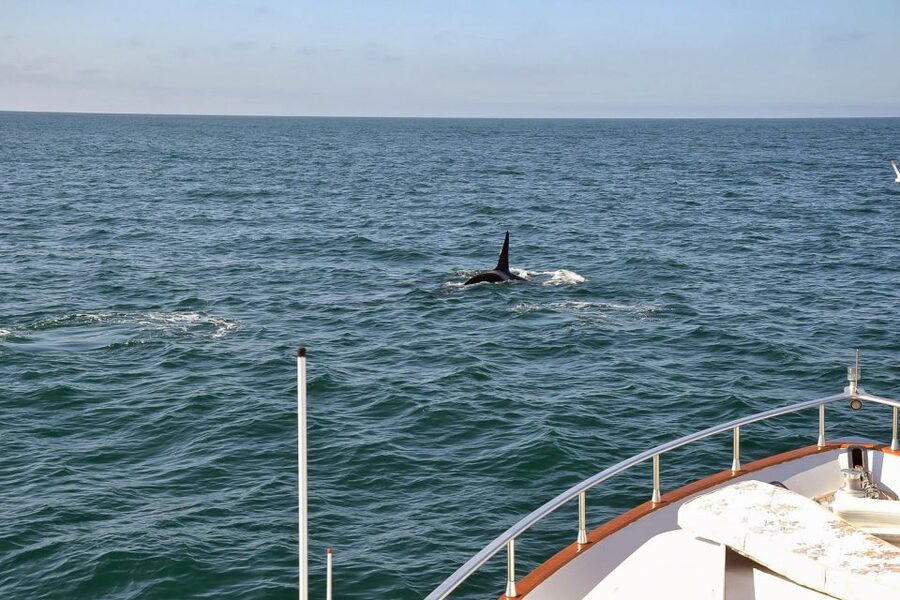
I would recommend it to anyone who wants a serious wildlife outing without giving up basic comfort. Families may like the warm cabin, blankets, bar, and several viewing areas. Photography-minded visitors should appreciate the open decks, though they need to protect equipment from spray.
It also suits couples and solo visitors who want more than a quick harbor ride. The scenery gives you something to enjoy during quiet stretches, and the English and Icelandic commentary adds useful context.
You should think twice if you get seasick easily or dislike cold weather. The crew can help, but the bay is still the bay. A calm forecast may improve your odds of comfort, but Icelandic conditions can change quickly.
My verdict: book it if wildlife matters more than certainty
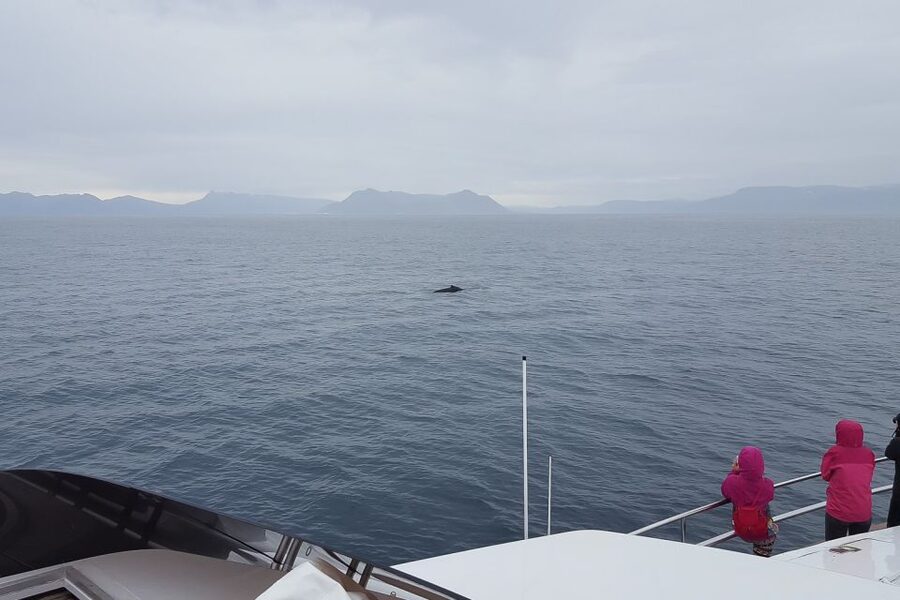
I would book this cruise if you want a good chance of seeing humpbacks, dolphins, porpoises, seals, puffins, or minke whales from a comfortable Reykjavik base. The strongest features are the capable guides, roomy yachts, warm indoor areas, and the effort made to treat whales with care.
Go in with realistic expectations. You may see an unforgettable breach beside the boat, or you may get a few distant blows and a fine view of Faxafloi Bay. Dress for cold and spray, check the meeting point carefully, and use the return option if nature gives you a quiet day.
FAQ
Where does the whale watching cruise leave from?
The cruise leaves from Reykjavik’s Old Harbor. You go inside the restaurant to check in at a self-service kiosk.
How long does the cruise last?
The advertised duration is three hours. One departure ran for four hours while the crew continued searching for a whale, but you should plan around the standard three-hour duration.
What animals might I see?
Possible sightings include humpback whales, minke whales, fin whales, dolphins, harbour porpoises, seals, grey seals, puffins, and various sea birds.
When can I see puffins?
Puffins can be seen from approximately the middle of May through the middle of August.
Which yachts are used?
The cruise primarily uses MY Harpa, a 70-foot yacht that can carry up to 35 passengers, or MY Amelia Rose, a 105-foot yacht that can carry up to 95 passengers.
Are blankets and WiFi included?
Yes. Warm blankets and WiFi are included. Both yachts also have indoor and outdoor areas, a lounge, bar, salon, and fly-bridge.
What happens if no wildlife is spotted?
Your ticket includes the option to return again if there are no sightings. This is useful because wildlife sightings cannot be guaranteed.
What languages are available on the cruise?
Live guides provide the tour in English and Icelandic.
More Dolphin Watching Cruises in the world
- Gran Canaria: Catamaran Dolphin Watch Cruise with Snorkeling
★ 4.4 · 4,761 reviews - Los Gigantes: Dolphin & Whale Watching Cruise with Swim Stop
★ 4.7 · 4,539 reviews - Shell Island Snorkel and Dolphin Catamaran Cruise with Island Time
★ 5.0 · 4,362 reviews - Albufeira: Dolphin Watching and Benagil Cave Boat Cruise
★ 4.8 · 4,226 reviews
Newly spotted around the world
- Oman Dolphin Watching Tours★ 5.0 · 111 reviews
- 2 Hours Dolphin Watching Cruise in Muscat★ 4.5 · 3 reviews
- Sea Wonders Dolphin Watching and Snorkeling in Muscat★ 5.0 · 5 reviews
- Amazing Dolphin Watching Tour In Muscat★ 5.0 · 4 reviews
- Daymaniyat island Natural Reserve and Dolphin Watching★ 5.0 · 50 reviews
- Mornington Peninsula Kayak Coastline Tour of Dolphin Sanctuary★ 3.0 · 2 reviews
- Charleston Harbor Sunset Cruise Scenic Views and Dolphin Spotting★ 5.0 · 2 reviews
- 3-Hr Private Snorkeling and Dolphin Watching Tour at Muscat★ 4.5 · 3 reviews
Whale and Dolphin Watching Tours, side by side.
Tenerife: Eco-Yacht Whale and Dolphin Watching and Swimming
Read our review →
Los Cristianos Respectful No-Chase Whale and Dolphin Safari
Read our review →
From Funchal: Ecological Catamaran Dolphin Whale Watching
Read our review →
Funchal: Dolphin and Whale Watching Catamaran Cruise
Read our review →
Costa Adeje: Whale & Dolphin Eco-Cruise with Snacks & Drinks
Read our review →
Los Gigantes: Dolphin & Whale Watching Cruise with Swim Stop
Read our review →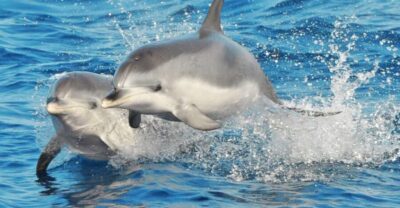
Morro Jable: Dolphin & Whale Watching Cruise, Drinks & Swim
Read our review →
From Ponta Delgada: Whale and Dolphin Watching Trip
Read our review →This trip also appears in