
Review · WHALE AND
Dolphin and Whale Watching Tour from Dingle
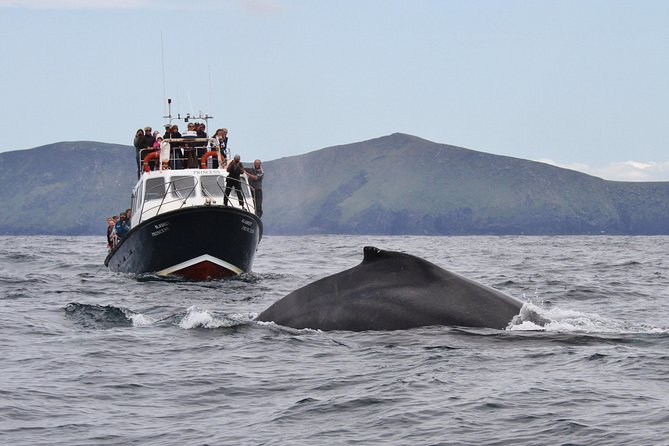
The best part of this Dingle whale watching tour is that the wildlife and scenery share the same stage. You may watch bottlenose dolphins beside the boat, then turn toward the Blasket Islands, sea cliffs, and Slea Head. Sightings are never guaranteed, but the setting gives the trip real value even on a whale-free afternoon.
I like the small-group feel and the chance to move between indoor seats, the open deck, and the flying bridge. I also like the crew’s effort to explain the animals and local history, with guides such as John, Vincent, and Jonathan bringing the coast to life. The main caution is simple: four hours on the Atlantic can feel long if you are prone to seasickness or the water turns rough.
Key points to know before booking
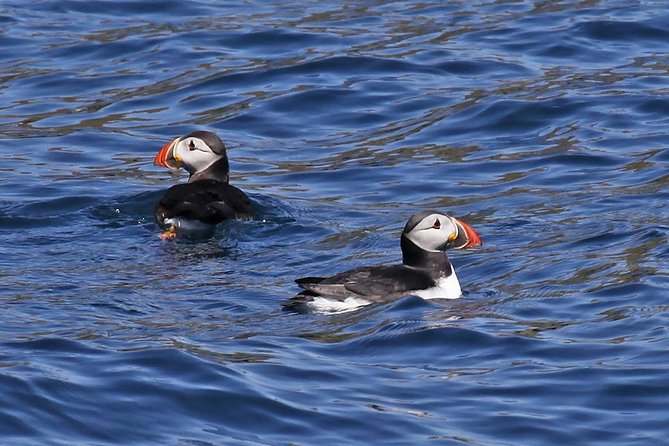
- Wildlife can include dolphins, whales, seals, puffins, and seabirds, but sightings depend on nature and sea conditions.
- The M.V. Blasket Princess has indoor and outdoor seating, plus a small flying bridge for elevated wildlife viewing.
- Ventry Harbour is the departure point, about four miles west of Dingle town, with free parking on the pier and in Ventry village.
- The scenery is a major part of the trip, including Great Blasket Island, Dunbeg Fort, Slea Head, and Dingle Peninsula.
- The boat leaves at 1pm sharp, so arrive 15 to 20 minutes early for parking, warm clothing, and the safety briefing.
- The tour suits children aged 10 and older, and you should expect a moderate level of physical activity.
Why the Atlantic wildlife is worth the uncertainty
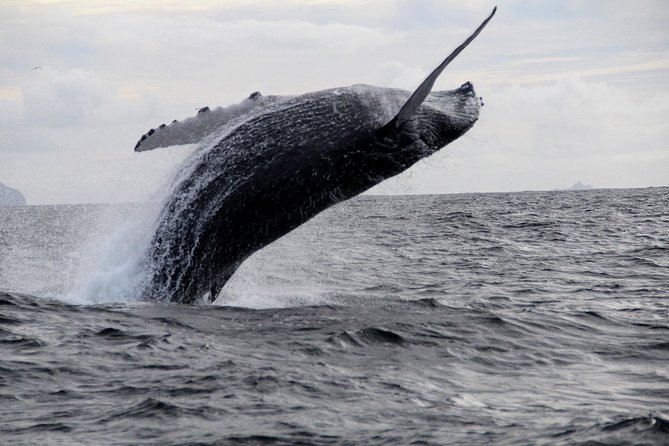
A boat trip like this is not a wildlife show with animals on cue. That is both its appeal and its risk. Dolphins may appear in lively pods, sometimes with very young calves. Minke whales and humpback whales have been seen, along with seals, basking sharks, puffins, razorbills, shearwaters, and other seabirds. On another afternoon, you may see only a distant whale or no whale at all.
That uncertainty is worth understanding before you pay the $119.17 price. You are buying four hours on a remarkable stretch of coast, guided searching, local interpretation, and access to views that are difficult to get from land. You are not buying a guaranteed whale sighting.
Dolphins seem to be the most dependable wildlife highlight. Several trips have found large pods, and one especially memorable sight can be a nursery group with mothers, adults, and tiny calves. The young dolphins may still show folds along their sides from before birth, while their dorsal fins and tail flukes are still firming up. You might not see this, of course, but it shows why repeated scanning of the bay can pay off.
The crew also keeps an eye on the cliffs and waterline. Seals are common enough to be a realistic hope, and seabirds can make the ride rewarding even when larger animals stay away. One trip included a deer high on a cliff, a reminder that the wildlife is not limited to the sea.
More Whale and Dolphin Watching Tours in the world:
- Tenerife: Eco-Yacht Whale and Dolphin Watching and Swimming
★ 4.7 · 15,619 reviews - Los Cristianos Respectful No-Chase Whale and Dolphin Safari
★ 4.6 · 12,782 reviews - From Funchal: Ecological Catamaran Dolphin Whale Watching
★ 4.5 · 8,204 reviews
Setting out from Ventry Harbour at 1pm
The tour begins at Ventry Pier in Ventry Harbour, County Kerry. If you are staying in Dingle, allow extra time for the short drive to the pier. Free car parking is available on the pier and in Ventry village, though parking can feel tight at busy times. Arrive 15 to 20 minutes before departure so you can park, put on your outer layers, and attend the safety meeting without rushing.
The boat leaves at 1pm sharp. The operator may wait briefly for a late arrival, but the stated limit is five minutes, and a missed departure is not refunded. Call ahead if you are delayed, but do not treat that as permission to arrive at the last second.
The M.V. Blasket Princess offers indoor seating for about 20 people and deck seating for another 20. There is also a flying bridge for roughly eight people at a time. The arrangement gives you options during the four-hour outing. You can warm up inside, watch from the deck, then take a turn upstairs for a wider view.
The booking information lists a maximum of 12 participants, although the boat itself has more seating than that. A smaller departure should make it easier to hear the guide and find a viewing position. Conditions can still feel close on deck, especially when everyone moves toward the same side of the boat for a dolphin or whale.
Great Blasket Island and the outer islands
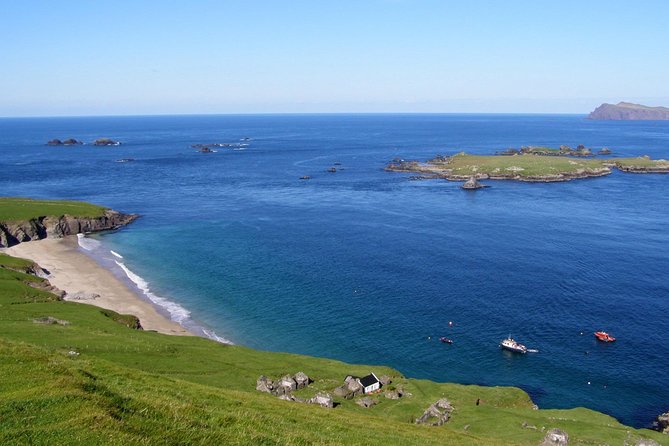
Great Blasket Island is one of the first major points of interest. From the water, you get a strong sense of its isolation and Atlantic exposure. The islands are not just a backdrop for wildlife. They help explain the weather, currents, and open-water habitat that make this area attractive to dolphins, whales, seals, and seabirds.
The boat continues around the Blasket Islands, where the views widen. This is the part of the trip that can feel most remote. You are looking out toward the Atlantic, with rocky islands and open water replacing roads, houses, and traffic.
The scenery changes with the weather. On a clear afternoon, cliffs and islands may look sharply defined. In wind or cloud, the same coast can feel more austere and dramatic. That is why warm clothing matters even on a pleasant day in Dingle. Wind on the water can be far colder than the temperature at the pier.
The crew uses this stretch to search for marine life. Keep your eyes moving rather than staring at one fixed point. Dolphins can surface in several places at once, and whales may show only a back, fin, or brief blow. A zoom lens can help with distant animals, but binoculars and patience are just as useful.
Dingle Bay and the wildlife search
Dingle Bay is where the trip often becomes most active. Bottlenose dolphins are a major attraction, and large pods have been seen close enough to provide strong photo opportunities. The boat may slow down while the crew watches the animals’ movement and tries to give everyone a fair view.
The experience is best when you treat the boat ride as a search rather than a race. A captain may spend time checking likely areas, then change direction when the signs are not promising. One crew member can focus on navigation while another watches for fins, blows, seabirds, or unusual movement on the water.
Guides John and Jonathan have been praised for combining wildlife information with stories about the coast. Vincent has also been singled out for his work at the helm and his determination to keep looking when sightings are slow. The staff may include a marine biologist or a multilingual guide, depending on the departure.
The explanations add something important. You are not simply pointed toward an animal and left to guess what you saw. The crew can discuss the species, the surrounding sea, and the human history of the coast. Some terms have even been translated for international passengers, though English is the listed language.
There is a toilet on the boat, which matters on a four-hour outing. Alcohol is not served, and there is no entrance fee included because the experience is conducted from the boat rather than through a paid site.
More dolphin trips around the world:
- Albufeira: 2.5-Hour Benagil Caves & Dolphin Watching
★ 4.6 · 10,710 reviews - Albufeira: Benagil Caves & Dolphin Watching Speed Boat Tour
★ 4.6 · 6,316 reviews - Benalmadena: Dolphin Watching Boat Tour
★ 4.4 · 5,786 reviews - Funchal: Dolphin and Whale Watching Catamaran Cruise
★ 4.5 · 5,697 reviews
Dunbeg Fort and the Dingle Peninsula
Dunbeg Fort gives you a land-based point of reference from the water. The ancient fort sits near the Atlantic edge of the Dingle Peninsula, and seeing it from offshore connects the sea trip with the archaeology and settlement history of the area.
You will not be stopping for an entrance visit. This is a passing view and an explanation from the guide, not a walking tour of the fort. That distinction matters if you want time on land or a close look at the structure.
The Dingle Peninsula itself is one of the strongest reasons to choose this departure point. From the boat, you can see the coast without needing to keep your eyes on the road. Cliffs, headlands, small beaches, and exposed rock appear from a different angle than they do during a drive.
I like this combination of wildlife and place. If the animals are shy, you still spend the afternoon seeing a famous section of County Kerry from the water. If the sea is generous, the scenery gives every sighting a memorable setting.
Slea Head from the water
Slea Head is often described as one of the westernmost points in Europe, and the cruise gives you a chance to photograph it from offshore. The view is particularly useful for anyone planning to drive the Slea Head route later. You see the headlands, cliffs, and islands as one connected coastal system rather than a series of roadside stops.
Bring a camera, but protect it from spray and wind. The light can shift quickly, and the best image may be a wide view of the coast rather than a close animal photograph. The professional photographer guide can help identify what you are seeing and may point out good subjects, but you should still keep your equipment secure on deck.
The boat’s flying bridge is a special advantage here. Only about eight people can use it at a time, so access may need to rotate. From that higher position, you get a clearer view over the rail and a better chance of spotting a distant fin or seabird.
Comfort, motion, and what to wear
This is an Atlantic boat trip, not a calm-water harbor cruise. Wind, waves, and spray are part of the experience. Several people have enjoyed the trip while admitting to some seasickness, and the practical advice is to prepare before boarding if you know you are sensitive.
Wear warm layers, a windproof jacket, and a warm hat. Even a sunny afternoon can feel cold once the boat is moving. Shoes should be suitable for a boat deck, and you should be comfortable standing, walking between seating areas, and using stairs to reach the flying bridge.
The activity calls for a moderate level of physical fitness. You need to manage the pier, boat boarding, deck movement, and occasional stairs. Service animals are allowed. The trip is not suitable for children under 10.
Four hours is enough time to reach the islands and give the crew a fair chance to find wildlife. It is also long enough to feel tiring if you are cold, uncomfortable, or hoping for constant animal action. One person found the boat a little cramped and the duration longer than ideal. That is a fair concern, especially for anyone who prefers short excursions.
Is $119.17 a fair price?
At $119.17 per person, this is not the cheapest way to spend an afternoon in Dingle. The value depends on what you want from the trip.
If you want a quick boat ride with a guaranteed sight, this price may feel high. If you want four hours around Dingle Bay and the Blasket Islands, local guidance, wildlife searching, and coastal views from the water, the cost is easier to justify. The trip combines several experiences that would otherwise require separate stops: offshore wildlife, Great Blasket Island, Slea Head, Dunbeg Fort, and the Dingle Peninsula.
The small-group format also matters. With a maximum of 12 listed for the activity, you should have a better chance of hearing the guide than on a large sightseeing vessel. The boat has more seating than that, so the exact feel may depend on the day’s numbers.
Free parking helps keep the total cost down. You do not need to pay an admission fee at the meeting point, and the tour returns to Ventry Pier. If you are relying on public transport from Dingle, buses can reach Ventry Beach or the community center, but the return timing may not line up neatly with the boat’s arrival. A car is the simplest option.
Who should book this Dingle boat tour?
I would choose this trip if you care equally about coastal scenery and wildlife. It suits photographers, bird watchers, families with older children, and anyone who wants a different view of the Dingle Peninsula. It is also a strong choice for people who enjoy hearing about Irish history and marine life while traveling.
I would think twice if you dislike open water, get seasick easily, or need a tightly scheduled afternoon. Whale sightings are never certain, and the four-hour length leaves little room for another major activity afterward.
Book with a flexible plan if possible. Poor weather or sea conditions can force a cancellation or a change of date, and the operator may offer a full refund in that situation. You can cancel for a full refund up to 24 hours before departure, but late cancellations and no-shows are not refunded.
Should you book it?
Yes, if you can accept that the Atlantic makes the final decision. The strongest reasons are the small-group setting, the excellent mix of scenery and wildlife, and the crew’s clear effort to keep searching and explaining what you see.
Book it for the Blasket Islands, Slea Head, and the chance of dolphins as much as for whales. That way, a whale-free afternoon can still be a very good one. Arrive early, dress for wind, protect your camera, and leave your schedule open after the 1pm departure.
FAQ
Where does the dolphin and whale watching tour depart?
The tour departs from Ventry Pier at Ventry Harbour, County Kerry, about four miles west of Dingle town.
What time does the boat leave?
Departure is at 1pm. You should arrive 15 to 20 minutes early for parking, warm clothing, and the safety meeting.
How long does the tour last?
The cruise lasts approximately four hours and returns to Ventry Pier.
What wildlife might I see?
Possible sightings include bottlenose dolphins, minke whales, humpback whales, seals, puffins, razorbills, shearwaters, basking sharks, and other seabirds. Wildlife sightings are not guaranteed.
Is the tour suitable for young children?
The activity is not suitable for children under 10 years of age.
What seating is available on the boat?
The M.V. Blasket Princess has indoor seating for about 20 people, outdoor deck seating for about 20, and a flying bridge suitable for about eight people at a time.
Is parking available at the departure point?
Free car parking is available on the pier and in Ventry village.
What happens if bad weather cancels the trip?
If poor weather or sea conditions cause cancellation, you will be offered a different date or a full refund. You can also cancel for a full refund up to 24 hours before the scheduled start time.
Newly spotted around the world
- Oman Dolphin Watching Tours★ 5.0 · 111 reviews
- 2 Hours Dolphin Watching Cruise in Muscat★ 4.5 · 3 reviews
- Sea Wonders Dolphin Watching and Snorkeling in Muscat★ 5.0 · 5 reviews
- Amazing Dolphin Watching Tour In Muscat★ 5.0 · 4 reviews
- Daymaniyat island Natural Reserve and Dolphin Watching★ 5.0 · 50 reviews
- Mornington Peninsula Kayak Coastline Tour of Dolphin Sanctuary★ 3.0 · 2 reviews
- Charleston Harbor Sunset Cruise Scenic Views and Dolphin Spotting★ 5.0 · 2 reviews
- 3-Hr Private Snorkeling and Dolphin Watching Tour at Muscat★ 4.5 · 3 reviews
Whale and Dolphin Watching Tours, side by side.
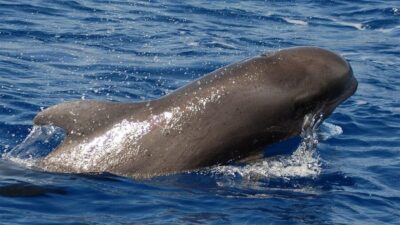
Tenerife: Eco-Yacht Whale and Dolphin Watching and Swimming
Read our review →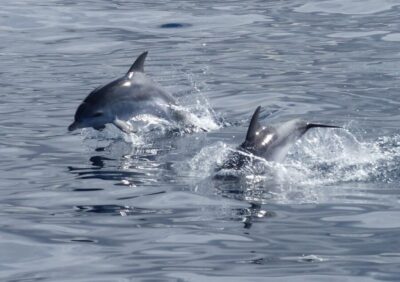
Los Cristianos Respectful No-Chase Whale and Dolphin Safari
Read our review →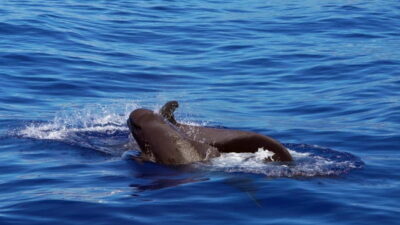
From Funchal: Ecological Catamaran Dolphin Whale Watching
Read our review →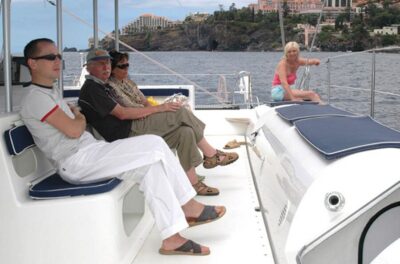
Funchal: Dolphin and Whale Watching Catamaran Cruise
Read our review →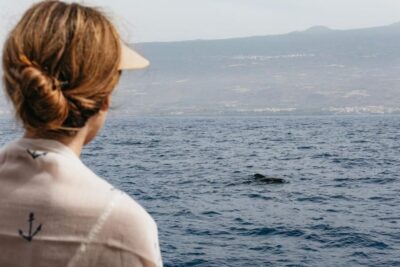
Costa Adeje: Whale & Dolphin Eco-Cruise with Snacks & Drinks
Read our review →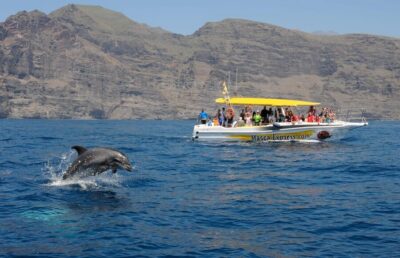
Los Gigantes: Dolphin & Whale Watching Cruise with Swim Stop
Read our review →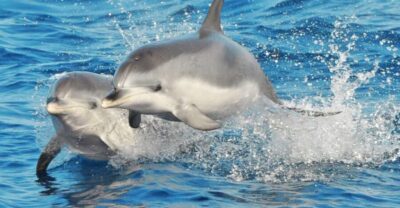
Morro Jable: Dolphin & Whale Watching Cruise, Drinks & Swim
Read our review →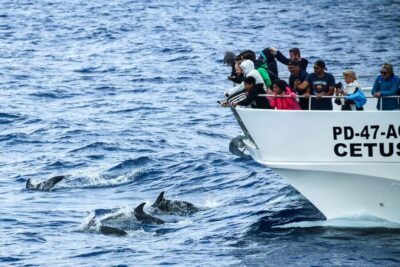
From Ponta Delgada: Whale and Dolphin Watching Trip
Read our review →This trip also appears in