
Review · WHALE AND
Whale, Dolphin & Penguin Island Cruise
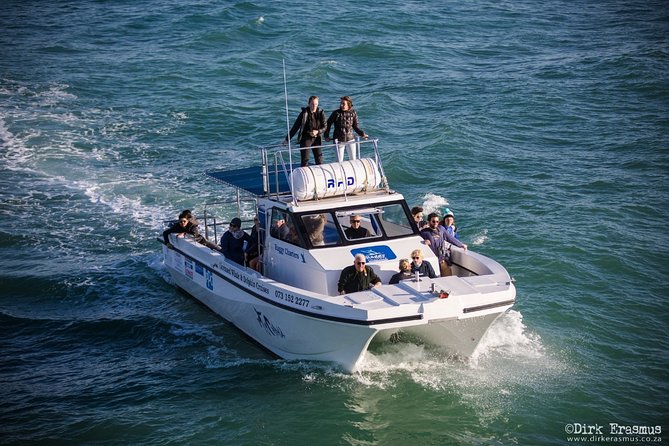
Algoa Bay gives you a rare three-for-one wildlife outing: humpback whales, dolphins, and African penguins in one four-hour cruise from Port Elizabeth. You sail on a small twin-engine catamaran, not a large sightseeing boat, so the pace feels calm and the crew can spend time explaining what you are seeing.
I like the small group limit of 20 and the conservation focus. The crew plants trees to help balance the cruise’s carbon footprint, and guides such as Jake bring real knowledge of the bay’s animals. The main consideration is simple: wildlife is wild. You may see dolphins close to the bow and a whale nearby, but no sighting is guaranteed.
Key points at a glance
- Whale season runs mainly from June to early December, with southern right whales usually close to shore from July through September.
- Indo-Pacific bottlenose dolphins can appear all year, sometimes in groups of 10 to 400.
- St. Croix Island is the penguin stop, with African penguins often visible from the boat rather than on foot.
- The boat carries no more than 20 people, giving you room to ask questions and find a good viewing angle.
- The cruise lasts about four hours, begins at 8am, and returns to the Nelson Mandela Bay Yacht Club.
- The $185.19 price is highest when sightings matter most to you, since you are paying for a focused wildlife cruise rather than a simple harbor ride.
Setting out from Port Elizabeth at 8am
Your morning begins at the Nelson Mandela Bay Yacht Club, at Dom Pedro Jetty in Port Elizabeth Harbour, now also known as Gqeberha. The meeting time is 8am, so plan to arrive with enough time for the short briefing before the catamaran leaves.
That early start suits the bay. It gives you a full morning on the water and puts the wildlife search ahead of the day’s heat and other sightseeing plans. The activity returns to the same meeting point after roughly four hours, which makes it easy to combine with another Port Elizabeth plan later in the day.
The briefing matters more than it might sound. You learn how the outing works, what sort of animals you might see, and how to behave around them. This is not a trip built around feeding animals or chasing them at speed. The idea is to move slowly, watch carefully, and let the crew judge how close the boat should come.
The catamaran has twin engines, a useful feature in a bay where conditions can change. The crew’s attention to safety has been praised, including careful handling in choppy water. Still, the ocean can be unsettled, and you should be comfortable with a boat ride before booking.
More Whale and Dolphin Watching Tours in the world:
- Tenerife: Eco-Yacht Whale and Dolphin Watching and Swimming
★ 4.7 · 15,619 reviews - Los Cristianos Respectful No-Chase Whale and Dolphin Safari
★ 4.6 · 12,782 reviews - From Funchal: Ecological Catamaran Dolphin Whale Watching
★ 4.5 · 8,204 reviews
A slower cruise with room for questions
The biggest difference between this outing and a crowded wildlife boat is the scale. With a maximum of 20 people, you are not packed into a mass of passengers trying to look over one another’s shoulders. You can move your attention from one side of the boat to the other, follow the crew’s directions, and ask about animal behavior as you go.
The pace is deliberately slow. That is good for watching dolphins, which can appear suddenly and vanish just as fast. It also gives the skipper time to position the boat without turning the experience into a high-speed chase.
A small boat does not mean a perfectly smooth ride. On a rainy or choppy day, you may feel the movement of the sea. One useful point from the recorded experiences is that the crew kept the outing enjoyable even in heavy rain and handled rougher water with care. You should still dress for spray and changing weather, although the supplied information does not list a specific clothing requirement.
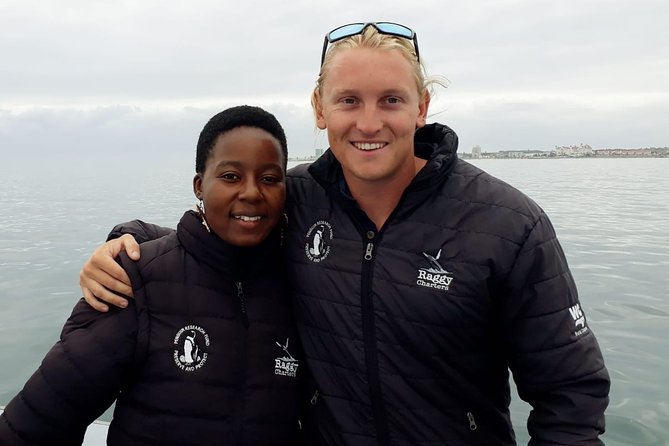
The crew is a major part of the experience. Jake is one of the guides associated with the cruise, and the team explains local marine life as well as the pressures facing it. You are not simply pointed toward a fin and left to guess what you saw. The aim is to connect each sighting with the wider ecosystem.
Looking for humpback and southern right whales
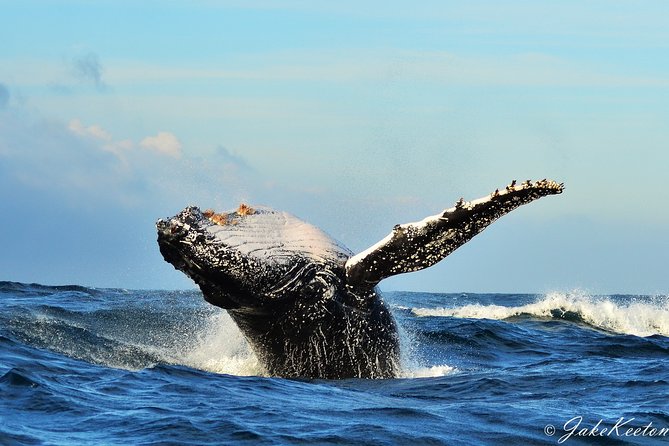
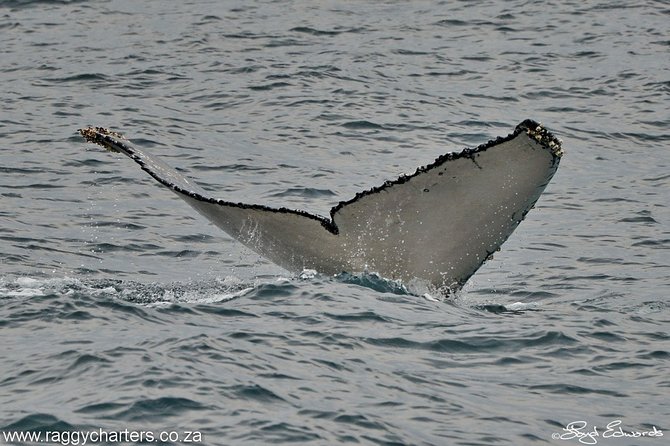
Whales are the most seasonal part of the cruise. Humpback whales begin moving through Algoa Bay around June, heading up the eastern coast of Africa toward breeding grounds. They can be seen in the bay from June to early December.
The return journey begins around October, when females may travel with calves. That timing can bring especially memorable sightings, but it also means the exact experience depends on the date you choose. A mother and young whale have been spotted together, and close encounters are possible, but you should treat that as good fortune rather than a promise.
Southern right whales are generally seen closer to shore from July through September. If whales are your main reason for booking, those months offer a useful starting point, though no season removes the uncertainty of wild animals.
Other possible whale sightings include Bryde’s whales and minke whales. The crew will help separate one species from another and explain what you are looking at. Even a distant blow or brief back can become interesting when you know which species produced it and why it may be passing through the bay.
This is not the right choice if you need a guaranteed whale sighting. It is better suited to someone who values the search, the setting, and the chance of seeing several species in one morning. The cruise’s regular departure once a day gives it a focused feel, but it also means you cannot simply choose a later sailing if the morning conditions do not suit you.
Dolphins that may ride the bow waves
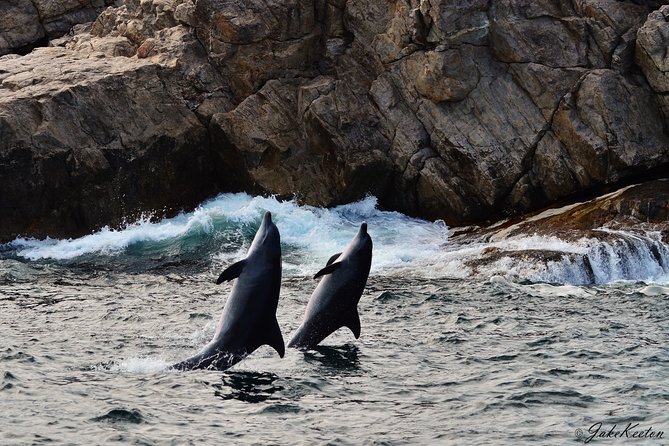
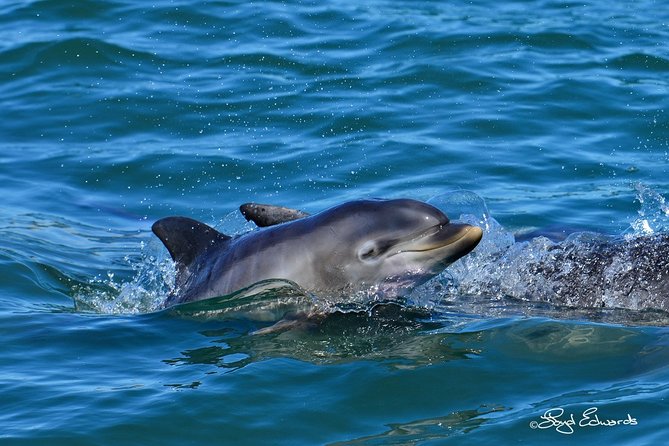
Dolphins are the most dependable wildlife possibility. Indo-Pacific bottlenose dolphins are seen throughout the year, often in groups from 10 to 400. They tend to favor shallow water near beaches and around St. Croix Island, and they may come close to the boat to ride the bow waves.
That behavior creates one of the most engaging parts of the trip. Instead of watching a distant animal through binoculars, you may see dolphins pacing the catamaran, surfacing together, and changing direction in an instant. The crew can point out how they move and help you watch for the next group.
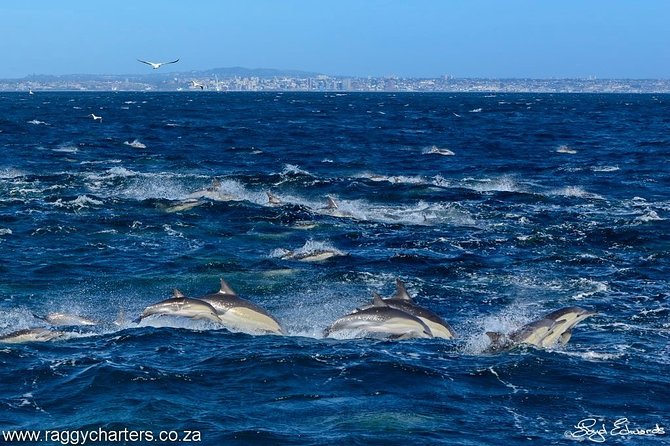
Common dolphins are another possibility. They may gather in groups of 1,000 to 2,000 and travel at great speed farther offshore, often following large shoals of baitfish. A huge moving group is a different spectacle from the smaller bottlenose pods near the island.
Algoa Bay also has humpback dolphins. The supplied details do not give a typical group size or a guaranteed season for them, so you should regard them as an added possibility rather than a target sighting.
The dolphin encounters can be excellent for photographs, but keep your camera ready. The animals will not pose, and the most dramatic moment may last only a few seconds. I would use a phone or camera that is easy to operate rather than spending the whole cruise adjusting settings.
More Dolphin Watching Cruises in the world:
- Funchal: Dolphin and Whale Watching Catamaran Cruise
★ 4.5 · 5,697 reviews - Costa Adeje: Whale & Dolphin Eco-Cruise with Snacks & Drinks
★ 4.6 · 5,096 reviews - Gran Canaria: Catamaran Dolphin Watch Cruise with Snorkeling
★ 4.4 · 4,761 reviews - Los Gigantes: Dolphin & Whale Watching Cruise with Swim Stop
★ 4.7 · 4,539 reviews
St. Croix Island and the African penguins
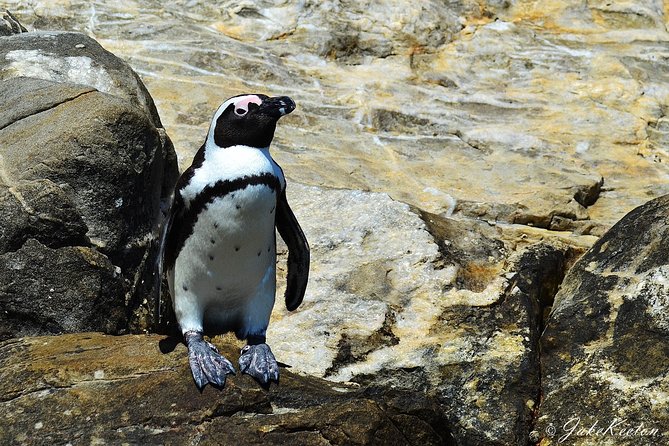
St. Croix Island is the emotional center of the cruise. It is home to an African penguin breeding colony, and the boat gives you a close look at these birds without taking you onto the island.
The colony has historically numbered around 12,000 penguins, making it one of Africa’s largest breeding colonies. But the population has lost roughly 70 percent in a decade, and fishing pressure has reduced the food available in the surrounding waters. That reality changes the mood of the stop. The penguins are funny and appealing, but their future is not secure.
The peak breeding period is from March through May. At that time, you might see chicks from the boat. In other months, you may see adults on the island or penguins swimming out to feed. One especially good possibility is watching them hunt in the water, where their speed and sharp changes of direction are more obvious than when they sit onshore.
Do not expect a walk among the penguins. This is a marine viewing experience, and the distance can vary depending on sea conditions and the crew’s judgment. That is a sensible limit for an endangered colony. The value comes from seeing the birds in their own setting while hearing how conservation work and protected areas help them.
St. Croix and nearby Brenton Island also support African black oystercatchers, white-breasted cormorants, and Cape cormorants. The island group and the Bird Island group form part of Addo Elephant National Park, allowing rangers to patrol the area. The islands are not just scenic backdrops. They are working wildlife sites with rules that protect the animals.
Seals, seabirds, and unexpected sightings
Whales, dolphins, and penguins are the headline animals, but the bay can offer a wider list. Cape fur seals may be seen resting or moving through the water. Different shark species are also possible, including the chance of a hammerhead sighting.
Birdlife adds another layer. Look for Cape gannets and pelagic birds such as terns, petrels, skuas, shearwaters, and albatrosses. You may not see every species on one outing, and some birds are easier to identify when the sea carries them close to the boat.
This variety makes the cruise worthwhile even when the whales stay out of sight. A pod of dolphins, a few seals, penguins feeding, and a busy group of seabirds can create a strong morning without a dramatic whale breach.
The best attitude is to let the crew set the priorities. They know the bay and will try to offer useful viewing opportunities without treating wildlife like a performance. That approach is especially important around endangered penguins and other animals that need space.
What the $185.19 price gives you
At $185.19 per person, this is not a bargain boat ride. The value depends on how much you want a small, wildlife-focused outing with conservation information.
You are paying for about four hours on the water, a maximum group of 20, a twin-engine catamaran, an experienced skipper, and guides who explain the ecosystem. You also get a chance at several kinds of wildlife rather than one narrow target. For someone who has limited time in Port Elizabeth, that broad coverage can make the price easier to justify.
The cost is harder to defend if you mainly want a quick look at the coast or a guaranteed animal encounter. Nature does not provide that certainty, and the cruise cannot control the weather, visibility, or location of the animals.
One useful point is that the same boats can also be used for cruise-ship excursions, while booking this outing directly may cost less than purchasing a shore excursion through a ship. That makes the price worth checking carefully if you are arriving by cruise ship. You should allow enough time around the 8am start and the four-hour return, since port schedules and independent transport require careful planning.
Who should book this Algoa Bay cruise?
I would choose this cruise if you care about wildlife behavior and conservation, not just ticking off animal names. It suits photographers, families, couples, and anyone who prefers a quieter outing with time for questions.
It is also a good fit for children because there is no stated age restriction, and life jackets are available for all ages. Adults should use their own judgment about fitness and comfort on the water. People with disabilities can join if they can board with assistance from family and crew.
You may want to reconsider if you get severe motion sickness, dislike open-water conditions, or need a fully predictable schedule. The cruise requires good weather and a minimum number of participants. If poor weather or low enrollment cancels the trip, you are offered another date or a full refund.
Free cancellation is available up to 24 hours before the local start time. Canceling later does not qualify for a refund, and changes made inside that 24-hour window are not accepted.
Should you book the Whale, Dolphin and Penguin Island Cruise?
Book it if your ideal morning includes a small boat, careful wildlife watching, and a crew that treats the bay as a living system rather than a backdrop. Dolphins are your most reliable hope, while whales depend strongly on season and luck. Penguins add a conservation lesson that makes the outing more meaningful than a simple photo stop.
I especially like the combination of a 20-person limit, slow pace, and broad range of possible sightings. The price is substantial, but it makes sense for a focused four-hour cruise in a place where one morning can bring dolphins, seals, seabirds, penguins, and perhaps whales.
Choose your date with care. Visit from June to early December for the best chance of humpback whales, July through September for southern right whales near shore, and March through May if seeing penguin chicks matters most. If you can accept uncertainty and changing sea conditions, this is one of the stronger ways to experience Algoa Bay.
FAQ
Where does the cruise begin and end?
It begins and ends at the Nelson Mandela Bay Yacht Club, Dom Pedro Jetty, Port Elizabeth Harbour, Gqeberha Central, Gqeberha, 6001, South Africa.
What time does the cruise start?
The meeting time is 8am. A short briefing takes place before the catamaran leaves.
How long does the experience last?
The cruise lasts approximately four hours.
How many people can join the boat?
The activity has a maximum of 20 participants.
Can I see whales all year?
Whales are seasonal. Humpback whales can be seen in Algoa Bay from June to early December, while southern right whales are usually seen close to shore from July through September.
What happens if bad weather cancels the cruise?
If poor weather causes a cancellation, you are offered a different date or a full refund. The same applies if the minimum number of participants is not reached.
Newly spotted around the world
- Oman Dolphin Watching Tours★ 5.0 · 111 reviews
- 2 Hours Dolphin Watching Cruise in Muscat★ 4.5 · 3 reviews
- Sea Wonders Dolphin Watching and Snorkeling in Muscat★ 5.0 · 5 reviews
- Amazing Dolphin Watching Tour In Muscat★ 5.0 · 4 reviews
- Daymaniyat island Natural Reserve and Dolphin Watching★ 5.0 · 50 reviews
- Mornington Peninsula Kayak Coastline Tour of Dolphin Sanctuary★ 3.0 · 2 reviews
- Charleston Harbor Sunset Cruise Scenic Views and Dolphin Spotting★ 5.0 · 2 reviews
- 3-Hr Private Snorkeling and Dolphin Watching Tour at Muscat★ 4.5 · 3 reviews
Whale and Dolphin Watching Tours, side by side.
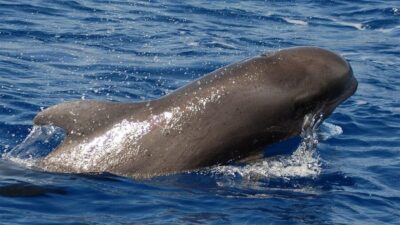
Tenerife: Eco-Yacht Whale and Dolphin Watching and Swimming
Read our review →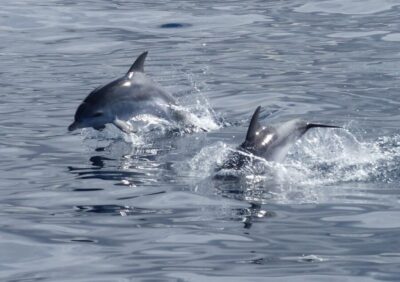
Los Cristianos Respectful No-Chase Whale and Dolphin Safari
Read our review →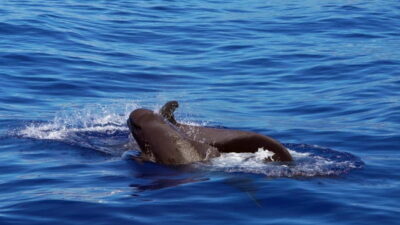
From Funchal: Ecological Catamaran Dolphin Whale Watching
Read our review →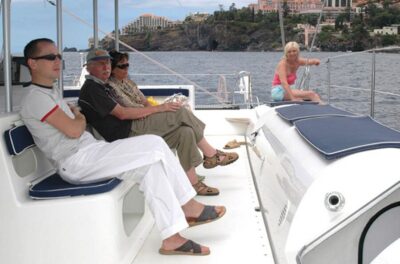
Funchal: Dolphin and Whale Watching Catamaran Cruise
Read our review →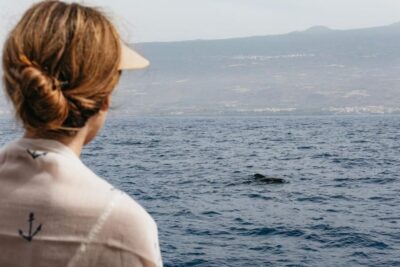
Costa Adeje: Whale & Dolphin Eco-Cruise with Snacks & Drinks
Read our review →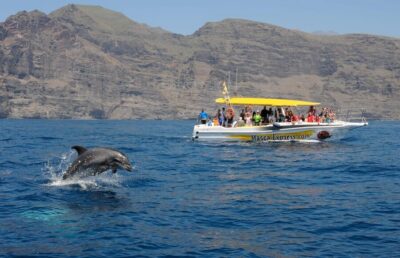
Los Gigantes: Dolphin & Whale Watching Cruise with Swim Stop
Read our review →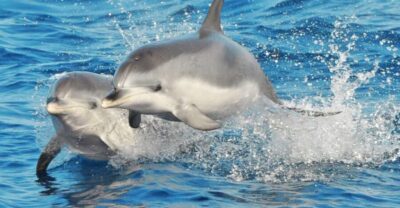
Morro Jable: Dolphin & Whale Watching Cruise, Drinks & Swim
Read our review →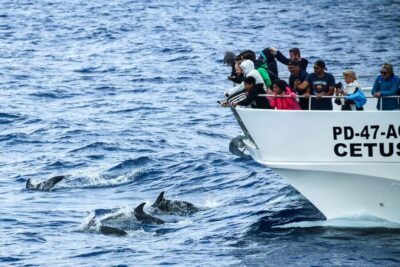
From Ponta Delgada: Whale and Dolphin Watching Trip
Read our review →This trip also appears in