Review · SAO MIGUEL
From Ponta Delgada: Whale and Dolphin Watching Trip
Off Ponta Delgada, the Atlantic can deliver anything from a pod of hundreds of dolphins to a sperm whale surfacing beside the boat. This three-hour trip gives you a real chance to see the Azores’ marine life, not in an aquarium or show, but in open water where sightings are never scripted. I especially like the marine biologist on board and the choice between a stable catamaran and a nimble Zodiac.
The strongest points are the guides’ care for the animals and their willingness to keep searching when conditions allow. Boats have sometimes stayed out longer for a promising sighting, but the key drawback remains simple: wildlife is never guaranteed, and rough Atlantic water can be hard on anyone prone to seasickness.
Key points to know before you book
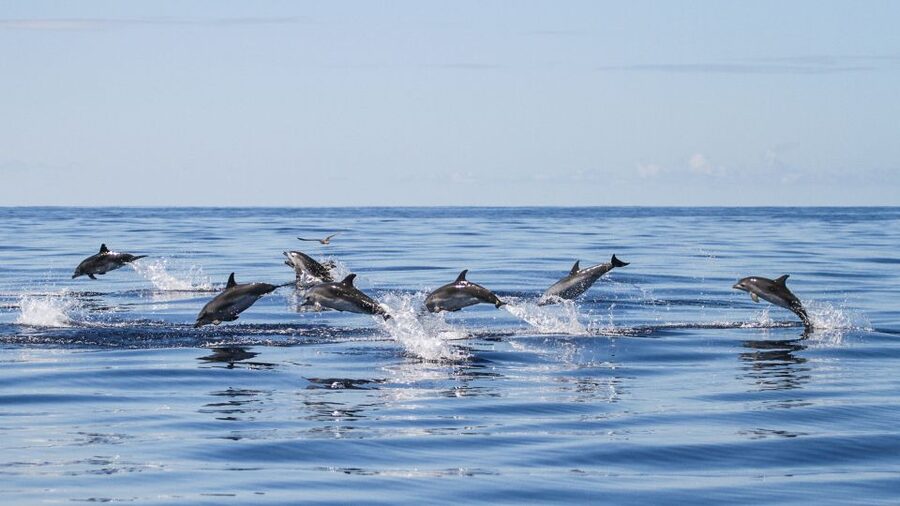
- More than 25 cetacean species: Sperm whales, common dolphins, bottlenose dolphins, Risso’s dolphins, pilot whales, striped dolphins, and seasonal baleen whales may be found around the Azores.
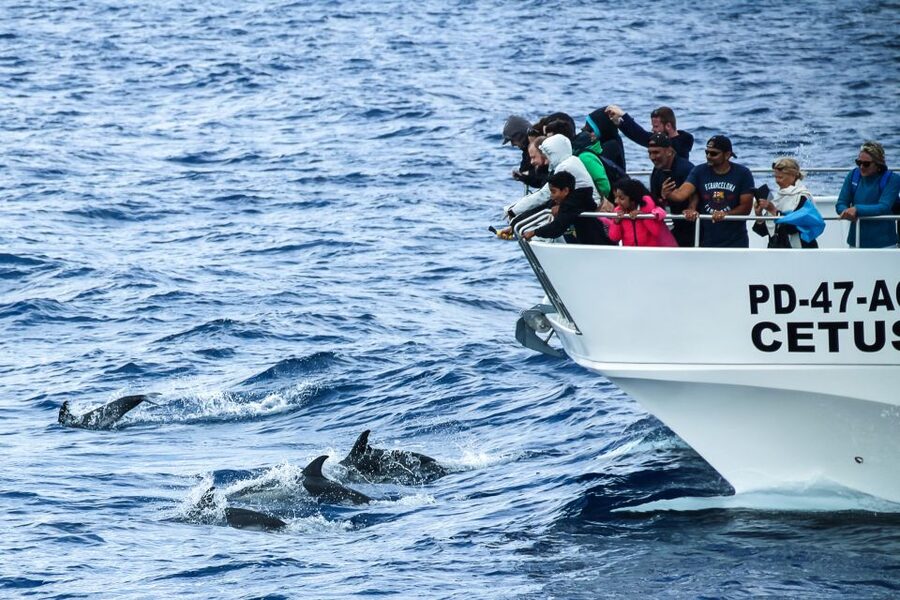
- Two boat styles: Pick a catamaran for more comfort and steadiness, or a Zodiac for a closer, more active ride.
- Season affects sightings: Spring is the best period listed for migrating blue, fin, and sei whales, while dolphins and sperm whales can be present year-round.
- A serious approach to wildlife: The briefing covers distance, approach rules, and respect for the animals. On one highly praised outing, the engine was shut off near orcas.
- A second tour if nothing appears: If no animals are sighted, the operator offers another trip, subject to its terms and availability.
- Bring a plan for seasickness: Several outings involved strong waves, especially on the smaller boat. Consider medication before departure if you are sensitive to motion.
Ponta Delgada harbor is the starting line
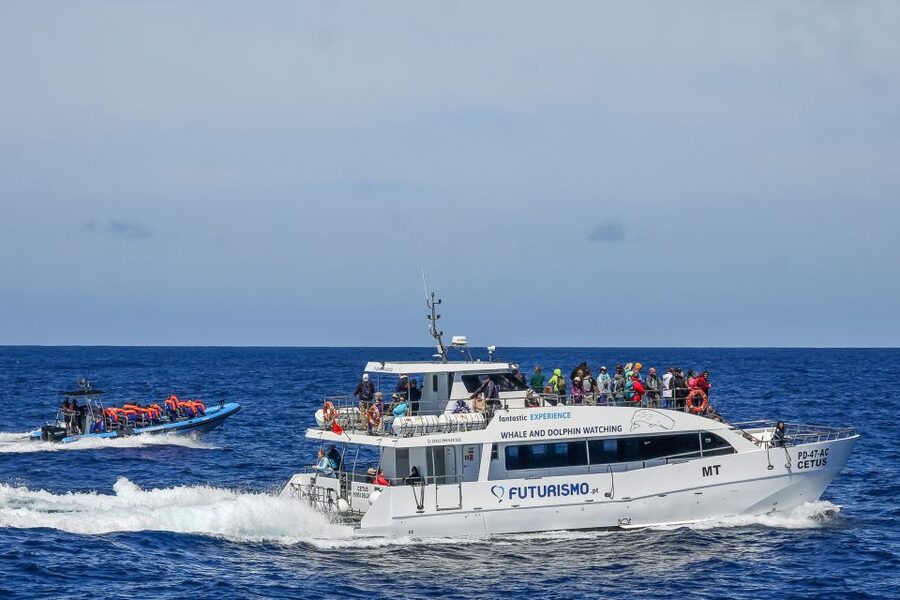
You meet Futurismo Azores Adventures at Ponta Delgada Harbour, Portas do Mar, Shop 26, in the marina shopping area. Allow time to find the shop, since the meeting point is inside the port complex and the shop number can be easy to miss.
The trip begins with a 15-minute safety and nature briefing. This is not wasted time. You learn how whale watching developed in the Azores, what to do on the boat, and how the crew approaches marine mammals without chasing or crowding them.
The guide also explains the basic rules of observation. These matter because the aim is not simply to get close. It is to watch animals in a way that reduces noise, stress, and disruption. The crew uses local knowledge and sea conditions to search, but the final decision always belongs to the animals.
The tour runs in English or Portuguese. Marine biologists and nature guides handle the commentary, and the strongest feedback centers on their clear explanations and calm care for passengers. Guides such as Valeria have been singled out for explaining sightings in a way that makes the trip more than a hunt for fins and blows.
More Whale and Dolphin Watching Tours in Portugal
- From Funchal: Ecological Catamaran Dolphin Whale Watching
★ 4.5 · 8,204 reviews - Funchal: Dolphin and Whale Watching Catamaran Cruise
★ 4.5 · 5,697 reviews - Funchal Bay: Dolphin & Whale Watch Luxury Catamaran Cruise
★ 4.2 · 2,684 reviews
Catamaran comfort or Zodiac excitement
Your choice of boat changes the feel of the morning.
The catamaran is the sensible pick if you want a steadier platform, more room to move, and a less demanding ride. It is recommended for families with young children, older people, pregnant women, and anyone with limited mobility or back concerns, although the activity information also says the trip is not suitable for children under eight or pregnant women. Because those instructions conflict, confirm the current age and health policy before paying.
Several people who chose the catamaran liked its comfort, especially when the sea became lively. It also gives you a broad place from which to watch, though a full boat can mean everyone gathers on the side with the best view.
The Zodiac, described in some feedback as an inflatable rubber boat or small speedboat, feels more like a sea expedition. You sit closer to the water, and the boat can give you an excellent view of dolphins moving alongside. The ride is stable and safe when conditions cooperate, but it is also more exposed to spray and motion.
Raincoat and trousers are supplied on Zodiac trips, and a life jacket is mandatory. Wear practical layers either way. High heels, smoking, drones, alcohol, drugs, and nudity are not allowed.
Heading into the Atlantic for 2 hours and 45 minutes
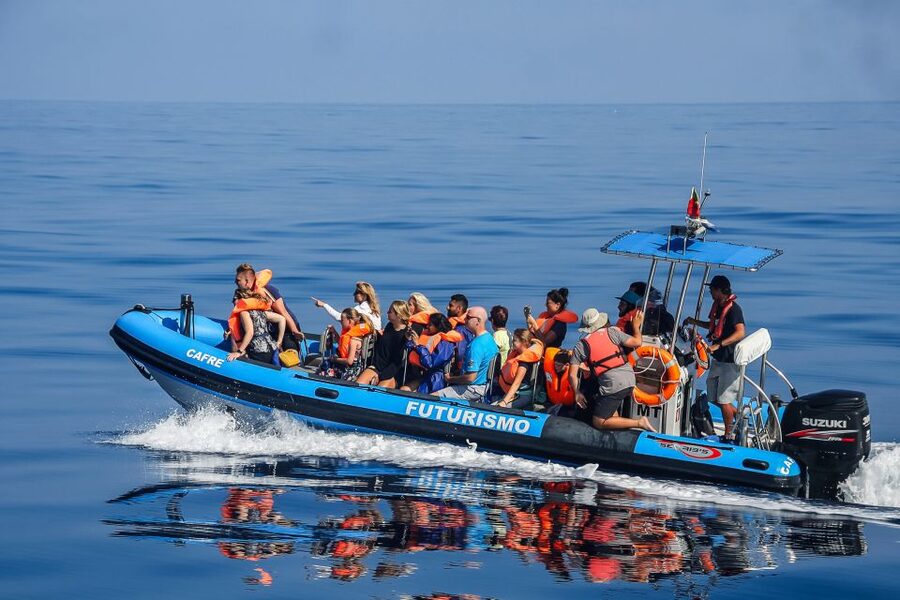
After the briefing, you leave Ponta Delgada harbor and spend roughly two hours and 45 minutes looking for marine life. The Azores sit between Portugal and North America, in a part of the Atlantic used by many whale and dolphin species as a permanent home or migration route.
The first part of the search can feel quiet. That is normal. You may watch the water for a while before the crew spots a blow, a dorsal fin, or a moving patch of birds. The guide helps you know where to look and explains what makes one species different from another.
The experience is much better if you accept that the boat is a search platform, not a guaranteed viewing stage. You might see dolphins early and spend the rest of the trip seeking whales. You might find several species in one area, or return with only dolphins and seabirds. Both are genuine days at sea, but they are not equal if you have come with a single target in mind.
The crew’s persistence is a major part of the value. On one outing, the boat stayed out an hour longer while searching for a whale. On another, the crew added about 45 minutes after finding promising dolphins and a whale near the return route. Extra time cannot be promised, but it shows why a flexible schedule helps. Do not book a tight airport transfer or an important lunch immediately after departure time.
The species you might see around São Miguel
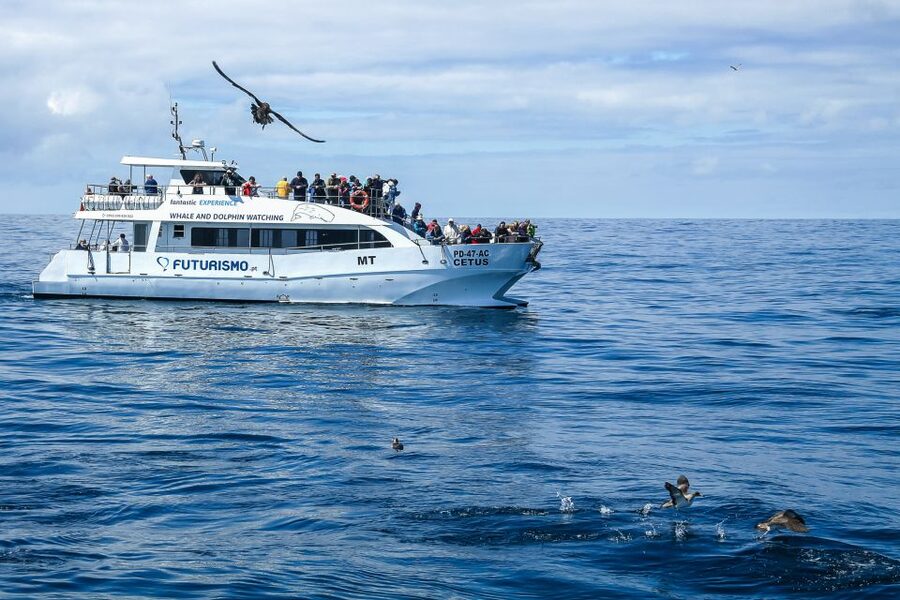
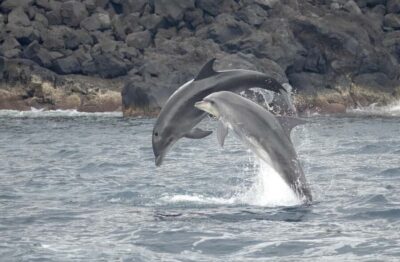
The Azores are known for sperm whales, which can be present throughout the year. You may also encounter common dolphins, bottlenose dolphins, and Risso’s dolphins in any season.
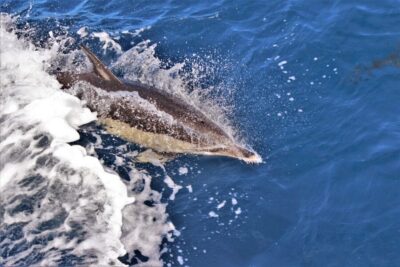
Dolphins are often the most active sighting. They can travel in large pods, swim beside the boat, and sometimes include young animals. Atlantic spotted dolphins are also seen, particularly in the warmer months. Past outings have included pods of roughly 200 spotted dolphins, hundreds of dolphins, and several different dolphin species in one trip.
Summer brings opportunities for pilot whales and striped dolphins, along with the dolphin species found year-round. Sperm whales remain a major possibility, and a calf has been seen with adults during summer outings.
Spring offers the most exciting seasonal possibility for anyone focused on large baleen whales. Blue whales, fin whales, and sei whales pass through during migration. Sei whales are less common, but summer and early autumn outings have produced sightings, including groups of three and pairs seen in October.
You might also see turtles, flying fish, seabirds, and other Atlantic wildlife. One outing even produced a hammerhead shark. Treat these as welcome additions rather than targets, since the boat’s main search is for whales and dolphins.
Same pod, another way to meet it:
- Albufeira: 2.5-Hour Benagil Caves & Dolphin Watching
★ 4.6 · 10,710 reviews - Albufeira: Benagil Caves & Dolphin Watching Speed Boat Tour
★ 4.6 · 6,316 reviews - Albufeira: Dolphin Watching and Benagil Cave
★ 4.7 · 5,658 reviews - Dolphins Search and Benagil Caves from Albufeira
★ 5.0 · 4,814 reviews
Why the marine biologist makes a difference
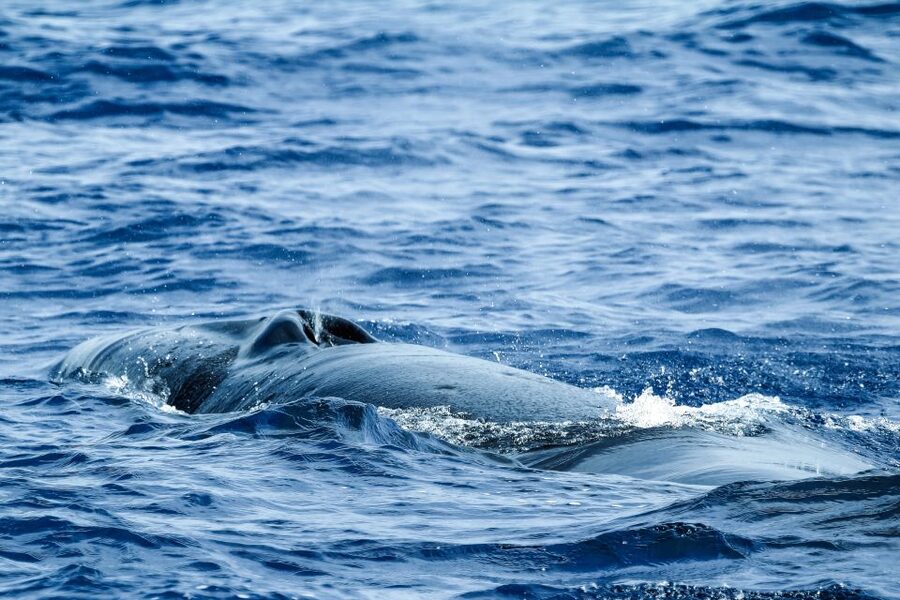
A whale-watching trip can easily become a string of excited shouts followed by confusion. The guide turns those brief moments into something you can understand.
You learn why a sperm whale surfaces in a certain way, how dolphins differ by shape and behavior, and what the crew is doing to locate animals. The guide also helps you avoid mistaking a distant splash or floating object for a whale. That sounds basic, but at sea it saves time and keeps expectations sensible.
The commentary also adds a conservation message without turning the trip into a lecture. You hear about safe distances, proper approaches, and the need to let animals control the encounter.
One especially respectful example involved a close sighting of orcas. The crew approached from behind, kept the correct distance, and turned off the engine once near the animals. You should not expect orcas on your trip, but this illustrates the operating style you want from a wildlife company.
The guides are also attentive to people. During one outing, a child became seasick and a guide stayed with him, checked on him, and offered a return to the dock. That sort of care matters more than a polished speech when you are far from shore.
The real value of an $82 outing
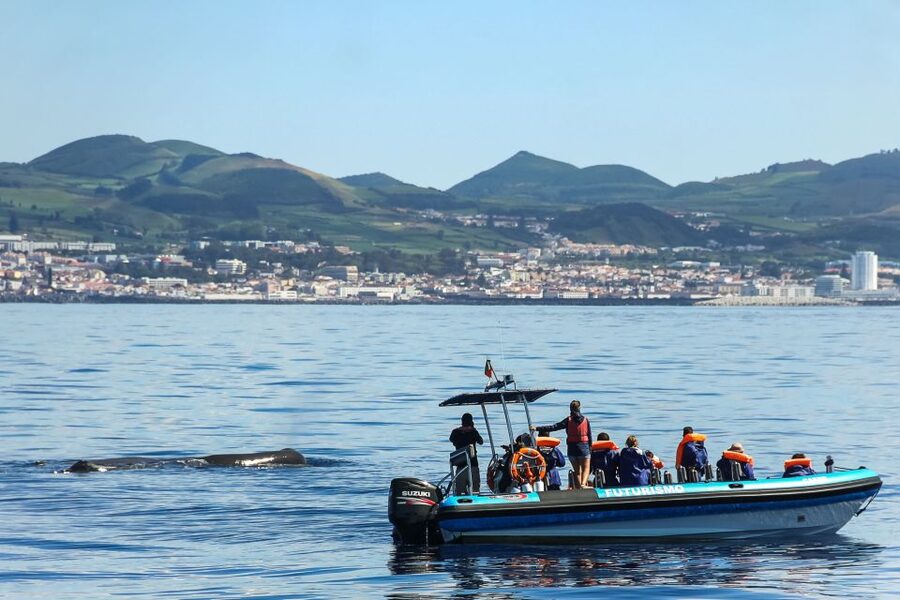
At $82 per person, this is not a casual harbor cruise. You are paying for a specialized boat trip, a marine biologist or nature guide, safety equipment, and a serious search across open water.
The price feels fair when you get several species, a long period at sea, and strong interpretation. A trip with sperm whales, dolphins, and a seasonal whale can become one of the defining experiences of a São Miguel visit. Even a dolphin-focused outing has value if the pod surrounds the boat and the guide explains what you are seeing.
The value is less certain if you need a guaranteed whale sighting. Nature does not work that way, and the company cannot control the weather or the animals. The offer of a second tour if no animals are seen softens that risk, but you should check how the replacement works before booking.
You also receive no hotel transfer, food, or drinks. Bring what you need for three hours, but keep your hands free and your belongings secure. There is no suggestion that meals are provided, so eat beforehand if you tend to feel unwell on boats.
Free cancellation is available up to 24 hours before departure for a full refund, and you can reserve now and pay later. Trips can be canceled because of weather or insufficient numbers. These policies are useful in the Azores, where sea conditions can change your plans.
Seasickness, seating, and practical comfort
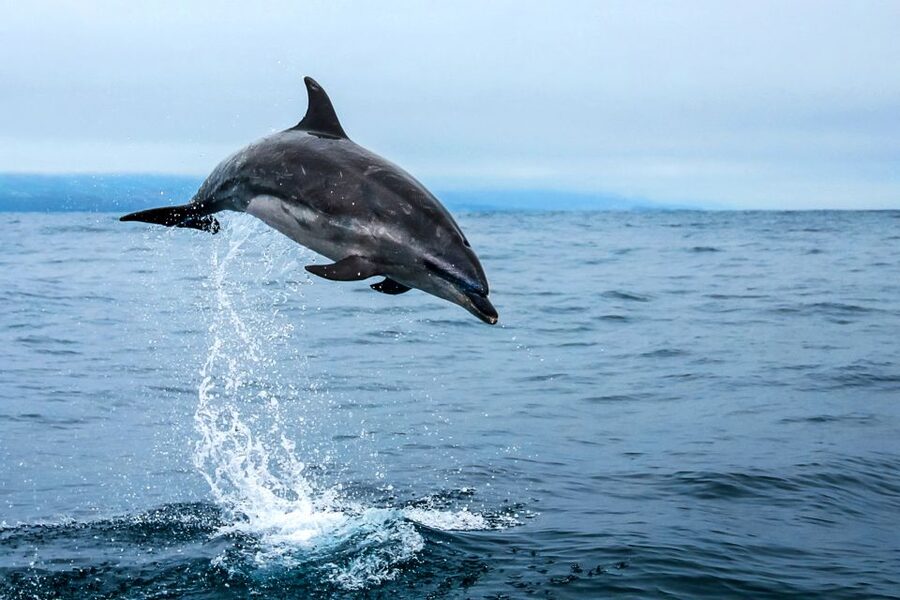
The sea can be calm, but you should prepare for motion. Several outings on the Zodiac involved strong waves, and one person reported feeling sick despite having an excellent sighting. If you already know you are sensitive, ask a pharmacist or doctor about suitable medication before the trip.
The catamaran is the better choice for comfort, but no boat removes all movement. On a full departure, everyone may want the same viewing position. Choose your place with care and move sensibly when the crew asks you to change sides.
Wear shoes that are secure and suitable for a wet deck. Avoid high heels. On the Zodiac, rain gear is supplied, though you should still dress in layers. The open Atlantic can feel cooler than Ponta Delgada harbor.
Keep your camera ready, but do not let it replace the view. Whales can surface once and disappear. Dolphins may move fast across both sides of the boat. Listen to the crew, scan the water, and be prepared to look away from the largest group if the guide spots something better elsewhere.
Who will get the most from this trip
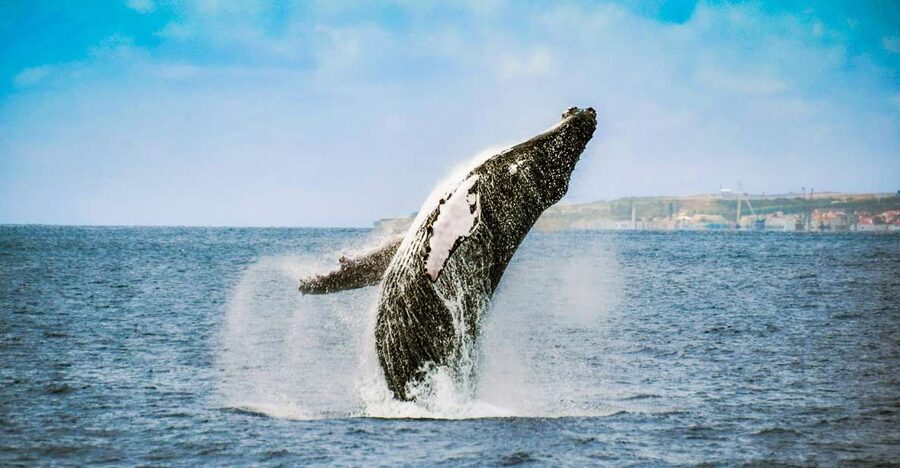
I would choose this experience if you want a genuine wildlife outing and can handle uncertainty. It suits people who enjoy natural history, sea air, and the chance of seeing several species rather than one guaranteed animal.
The catamaran fits you if comfort matters most, you are traveling with older family members, or you prefer a steadier platform. The Zodiac suits you if you want a more active ride and a lower, closer view of the water.
Families should pay close attention to the age rules. The information both describes the catamaran as suitable for families with children under eight and lists children under eight as not suitable, so ask the operator to clarify before booking. The same caution applies to pregnancy and back problems.
This is not ideal for you if you have a rigid schedule, dislike open water, or would consider the day disappointing without a whale. Dolphins, turtles, seabirds, and the volcanic coast can still make a fine outing, but your enjoyment depends on accepting the sea’s terms.
Should you book the Ponta Delgada whale trip?
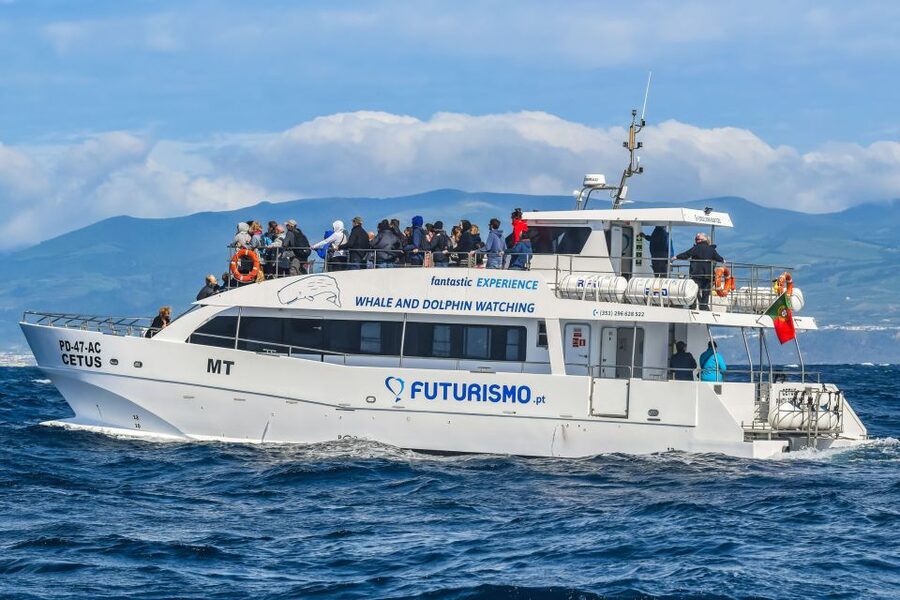
I would book it if you have three free hours, can prepare for possible motion, and want the chance to see Azorean wildlife in its own setting. The combination of marine biology, careful operating rules, and two boat choices gives the trip more substance than a simple ride offshore.
Choose spring if migrating baleen whales are your priority. Choose summer for strong dolphin possibilities, pilot whales, and striped dolphins. Sperm whales and several dolphin species can appear throughout the year, so winter is not automatically a poor choice. One February trip produced many dolphins and four whales, while another found dolphins but no whale.
Book the catamaran for comfort and the Zodiac for a closer, livelier ride. Keep your schedule flexible after the tour, bring sensible clothing, and treat every sighting as a gift rather than a promise. At $82, it is a good use of a São Miguel morning when you value well-run wildlife watching more than certainty.
FAQ
Where does the whale-watching trip meet?
Meet Futurismo Azores Adventures at Ponta Delgada Harbour, Portas do Mar, Shop 26, 9500-771 São Miguel, Azores, Portugal.
How long does the experience last?
The full activity lasts three hours. This includes a 15-minute safety briefing and about two hours and 45 minutes of whale watching.
Which languages are available?
The live guide service is available in English and Portuguese.
Which animals might I see?
Possible sightings include sperm whales, minke whales, common dolphins, bottlenose dolphins, Risso’s dolphins, pilot whales, striped dolphins, turtles, seabirds, and other marine life. Spring can bring blue, fin, and sei whales.
Should I choose the catamaran or the Zodiac boat?
Choose the catamaran for a steadier and more comfortable ride. Choose the Zodiac for a smaller, more active boat experience and a closer view of the water. The activity information gives different guidance about children under eight and pregnancy, so confirm those rules before booking.
Is a whale sighting guaranteed?
No. Wildlife sightings depend on sea conditions and animal behavior. If no animals are seen, the operator offers a second tour.
What is included in the price?
The trip includes the pre-tour briefing, a marine biologist or nature guide, raincoat and trousers on Zodiac trips, and a mandatory life jacket on Zodiac trips.
Can I cancel the booking?
You can cancel up to 24 hours in advance for a full refund. The operator can also cancel trips because of weather conditions or insufficient numbers.
Newly spotted around Portugal
- Whale & Dolphin Watching in Madeira★ 5.0 · 191 reviews
- Eco-Friendly Catamaran Dolphin and Whale Watching★ 4.5 · 226 reviews
- Magic Dolphin Sea Safaris★ 5.0 · 274 reviews
- Whale and Dolphin Watching Tour from Funchal★ 4.5 · 317 reviews
- Dolphin Watching in the Wild – Half Day★ 4.0 · 4 reviews
- Setúbal Private Tour – Including Dolphin Watching★ 4.0 · 3 reviews
- Lisbon Dolphin Watching Ocean Safari★ 5.0 · 35 reviews
- Lisbon: Dolphin Watching with Marine Biologist – Small Group★ 5.0 · 131 reviews
Sao Miguel Dolphin Watching Tours, side by side.
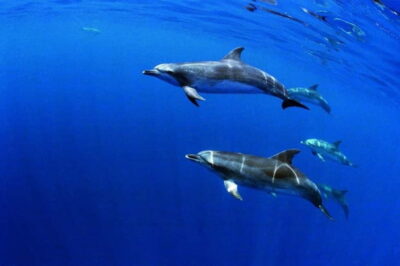
São Miguel: Swim with Wild Dolphins in the Open Ocean
Read our review →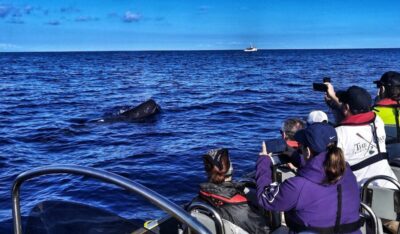
Terceira: Whale and Dolphin Watching in a Zodiac Boat
Read our review →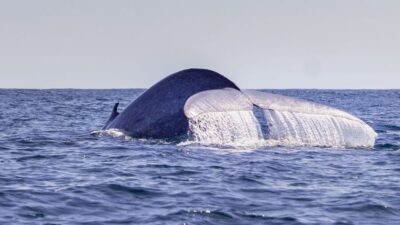
Terceira: Half-Day Dolphin and Whale Watching Tour
Read our review →