
Review · ITALY
Alghero: Dolphin Watching Tour with Marine Researcher
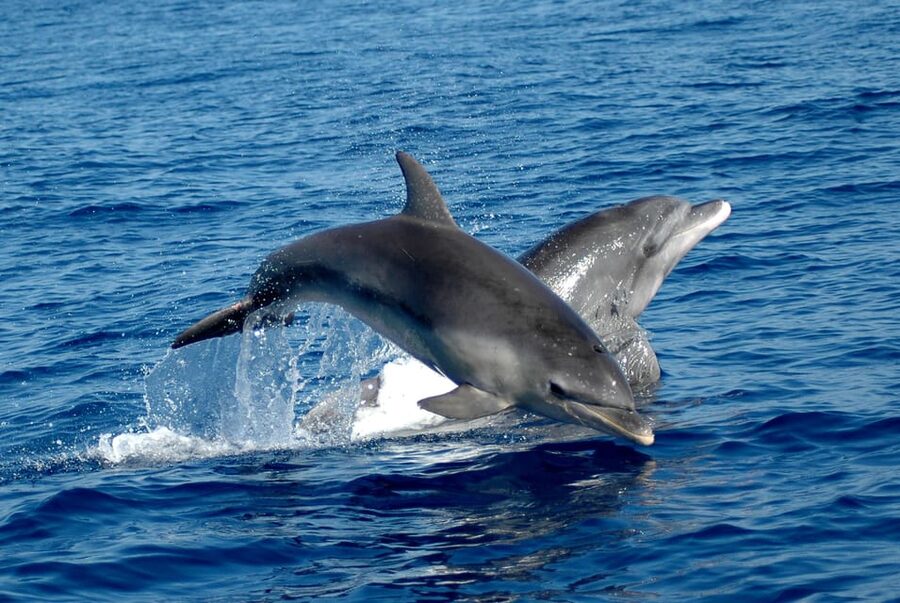
The best part of this Alghero boat trip is that you are not simply taken to sea and told to watch for fins. Marine biologists explain the local bottlenose dolphins, show how researchers identify individuals by their dorsal fins, and may let you hear dolphin calls through a hydrophone. In summer, the trip adds guided snorkeling near Capo Caccia and Isola Piana.
I like two things right away: your $59 supports MareTerra ERC research, and the crew follows High Quality Whale Watching rules that keep a respectful distance from the animals. The main drawback is simple: this is a search for wild dolphins, not a guaranteed animal show. Rough water, no bathroom on board, and no refund for a dolphin-free trip are all worth considering.
Key points to know before you book
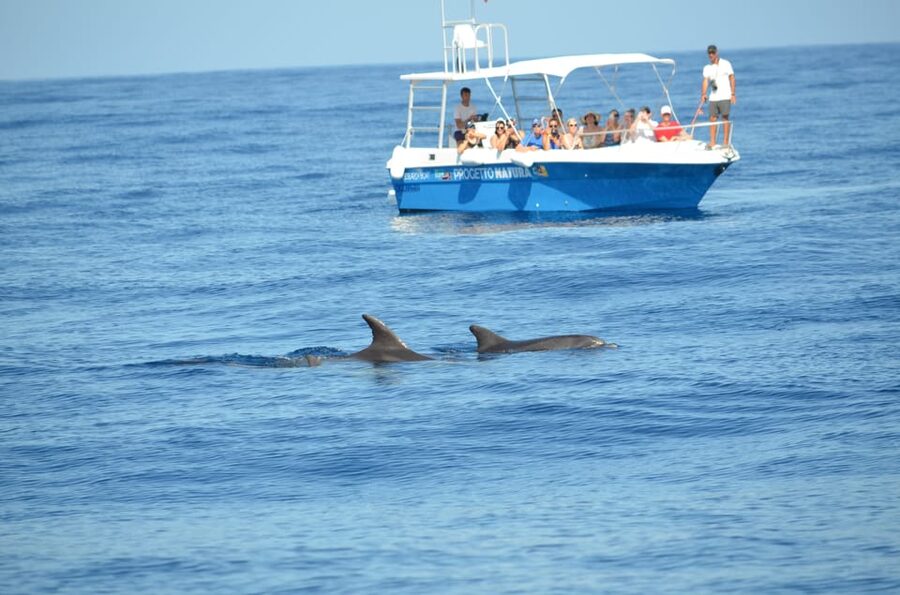
- A real research trip: MareTerra ERC marine biologists collect photo-identification, location, and behavior data during the excursion.
- Two seasonal formats: April, May, and October bring a 3-hour dolphin trip. June through September adds one hour of guided snorkeling.
- Strong sighting odds, no promise: Dolphins are seen on more than 80% of trips, but they move freely through a wide area.
- Capo Caccia snorkeling: Summer departures stop for about an hour in the Marine Protected Area near Capo Caccia and Isola Piana.
- Small-boat practicalities: Bring water, layers, sun protection, and a towel. There is no toilet on board.
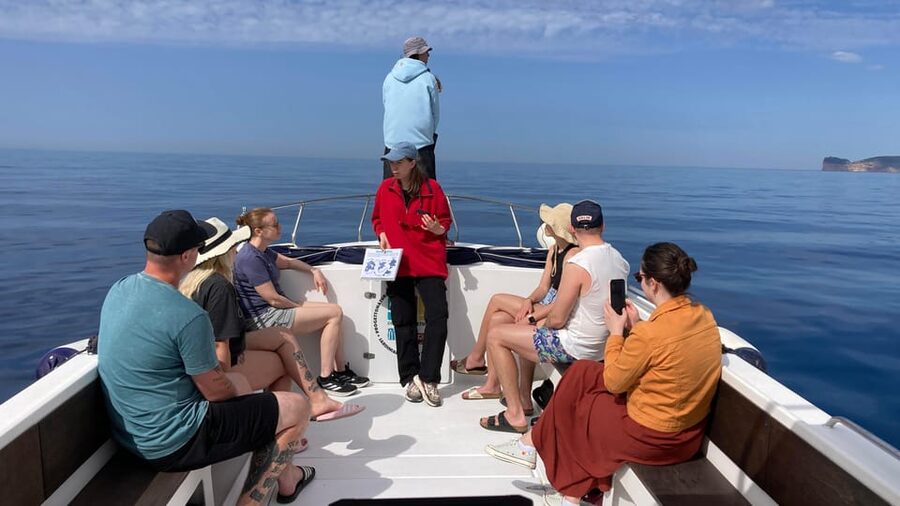
- A guide-led experience: Fabio and other MareTerra researchers explain the animals in English or Italian, with clear attention to their welfare.
Meeting the MareTerra team at Alghero harbor
You meet in front of the Cicloexpress bike rental shop along the Lungomare Barcellona promenade. Wait on the benches outside. Cicloexpress staff are not connected with the dolphin tour, so ask for the MareTerra researcher instead.
A team member walks you from the meeting point to the boats. That short transfer is useful because you do not need to guess which vessel is yours in a busy port. Bring your booking details and arrive ready for an outing on open water, not a quick harbor cruise.
The boats were built for dolphin watching and safe navigation in the Gulf of Alghero. The exact boat design and group capacity are not specified, so I would not assume a spacious deck or a private excursion. You should expect a working research-oriented boat with room for the people booked on that departure.
The tour is available in English and Italian. Fabio has been singled out by name as a strong guide, and the wider team includes marine biologists from MareTerra ERC. That matters here. You are not just getting general facts about dolphins. You are hearing about a population the team has studied since 2012.
More dolphin trips around Italy:
- Golfo Aranci: Eco-Friendly Dolphin Watching Boat Trip
★ 4.8 · 2,846 reviews - Golfo Aranci: Kayak Tour with Dolphins and Aperitif
★ 4.9 · 1,731 reviews - Dolphin Watching Tour – from Golfo Aranci
★ 5.0 · 1,198 reviews
Why there is no fixed route across the Gulf
Once the boat leaves Alghero, the captain and researchers choose the direction based on recent monitoring, dolphin movements, sea conditions, and current observations. This is the right approach for a wildlife trip, even though it makes the route less predictable.
You may head toward the cliffs near Capo Caccia, or in another direction where recent signs point to dolphin activity. The boat ride itself becomes part of the experience, with the team explaining the coast and the marine life you encounter along the way.
The tradeoff is that you cannot count on a particular cove or viewpoint. If you prefer a fixed sightseeing route, this may feel loose. If you want a better chance of seeing wild animals while keeping the outing respectful, the flexible route makes sense.
The Gulf of Alghero can also be rough. One September departure had to be rescheduled because of weather, and another outing encountered choppy seas. MareTerra contacted the affected party with a new date, which is useful evidence that conditions are taken seriously. If you get seasick, bring suitable medication after checking what is safe for you, and sit where the crew recommends.
Searching for Alghero’s resident bottlenose dolphins
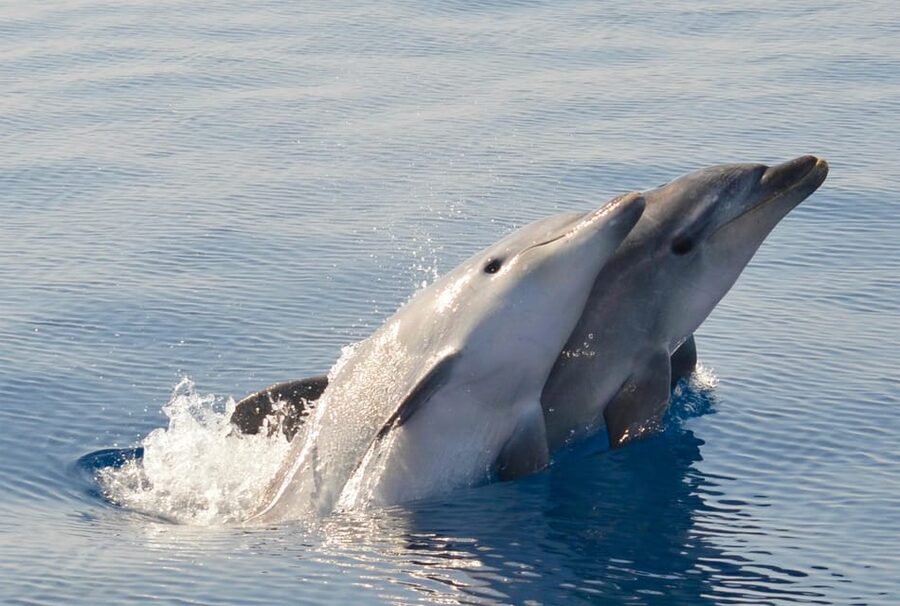
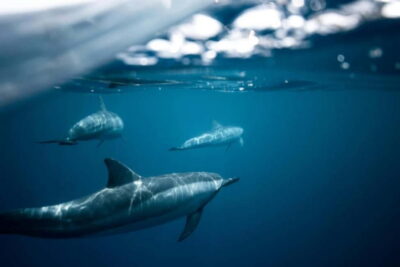
The main subject is the bottlenose dolphin population living close to the Alghero coast. During the search, the researchers explain dolphin biology, behavior, movement, and communication. They may identify individual dolphins on the spot and share their names and background.
That individual approach makes the trip more engaging than simply counting fins. A dorsal fin can have distinctive marks, allowing researchers to recognize a particular dolphin from photographs. You get to watch the team use the same process that supports long-term population research.
The crew also records the dolphin’s location and behavior. This data can help monitor the population’s health, build scientific knowledge, and support conservation work with institutions and other research groups. The collected work is used in peer-reviewed scientific articles.
If sea conditions allow, the researchers may place a hydrophone in the water. This lets you hear sounds dolphins use to communicate. It is a short but memorable reminder that you are observing a social marine animal in its own environment, not watching a trained performance.
MareTerra reports sightings on more than 80% of excursions. That is a good success rate, but it still leaves a real possibility of seeing no dolphins. Wild animals cover large areas and do not follow a schedule. There is no refund if the search comes up empty, so book this only if the boat ride, science, and coast would still be worthwhile for you.
Responsible viewing instead of a dolphin show
MareTerra follows the certified HQWW, or High Quality Whale Watching, code of conduct. The goal is to reduce disturbance while giving you a fair chance to observe the animals.
That means the boat does not chase dolphins, cut across their path, or treat their presence as a cue for noisy excitement. The team uses its experience to approach carefully and watches the animals’ behavior. The crew also continues its research during the sighting, so the observation has a purpose beyond entertainment.
I like this model because it gives you a clear reason to accept the occasional imperfect view. A dolphin may surface only briefly or remain farther from the boat. Responsible watching asks you to pay attention, stay patient, and accept that the animal controls the encounter.
The excursion also supports MareTerra ERC conservation projects. Your participation helps fund work on dolphin health, population monitoring, and scientific study. At $59, the price is fair for a 3-hour guided boat trip with marine biologists, especially when you value the research element. It is less of a bargain if all you want is a guaranteed close-up photograph.
Same pod, another way to meet it:
- Olbia: Dolphin Watching & Snorkeling Boat Tour near Figarolo
★ 4.9 · 670 reviews - Giardini Naxos: Dolphin Searching Sunset Boat Tour
★ 4.7 · 564 reviews - Olbia: Eco-Friendly Dolphin-Watching Boat Trip
★ 4.8 · 492 reviews - Kayak tour with aperitif and dolphins
★ 5.0 · 471 reviews
June through September: snorkeling near Capo Caccia
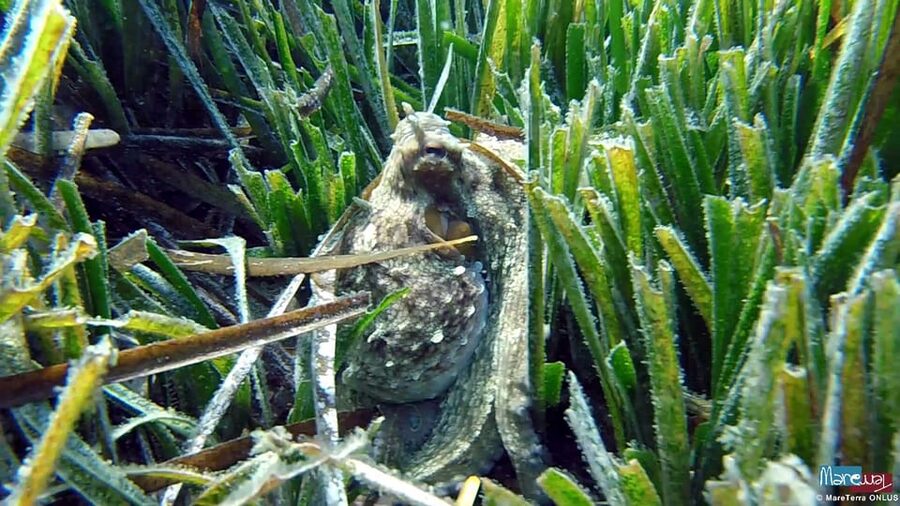
From June to September, the dolphin search becomes a 4-hour trip. About one hour is set aside for guided snorkeling in the Marine Protected Area of Capo Caccia and Isola Piana.
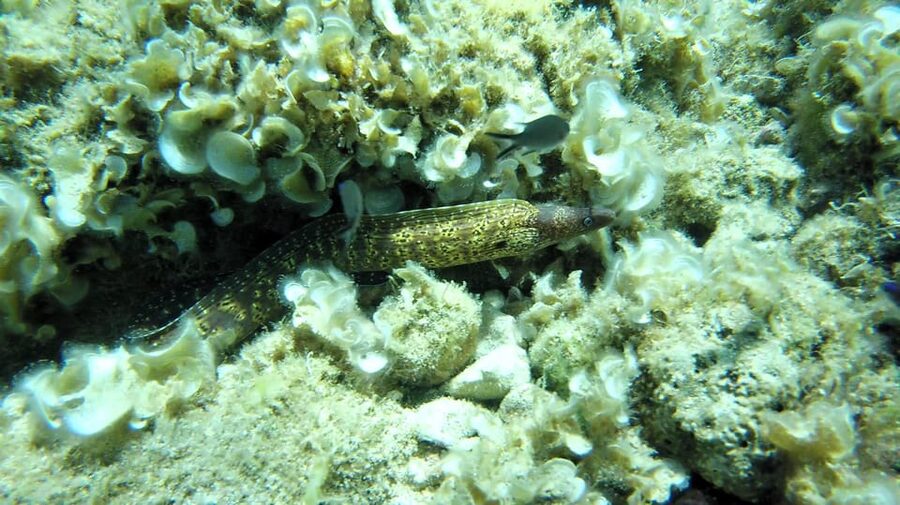
This is not filler added to stretch the trip. The protected area gives the crew a chance to introduce you to marine life from below the surface, after the dolphin search. You may see creatures such as octopus, which one summer outing specifically encountered, along with other local sea life. The exact animals vary with conditions, so do not treat any single sighting as promised.
Masks and fins are provided. You should arrive wearing your swimsuit and bring a beach towel. You will also want sunscreen, sunglasses, and a hat for the boat ride, though remember that a Mistral wind can make even a summer outing feel cool.
The snorkeling stop is a strong reason to choose the summer version if you enjoy being in the water. It also gives you a second kind of marine experience when the dolphins are distant or elusive. Still, the stop depends on sea conditions, and the tour is not a dedicated snorkeling trip. Dolphin research remains the main focus.
If you are comparing seasons, April, May, and October offer the shorter 3-hour dolphin format. June through September adds snorkeling and costs the same listed price of $59 per person, making the summer trip especially appealing if you want more time on the water.
What the 3 or 4 hours feel like
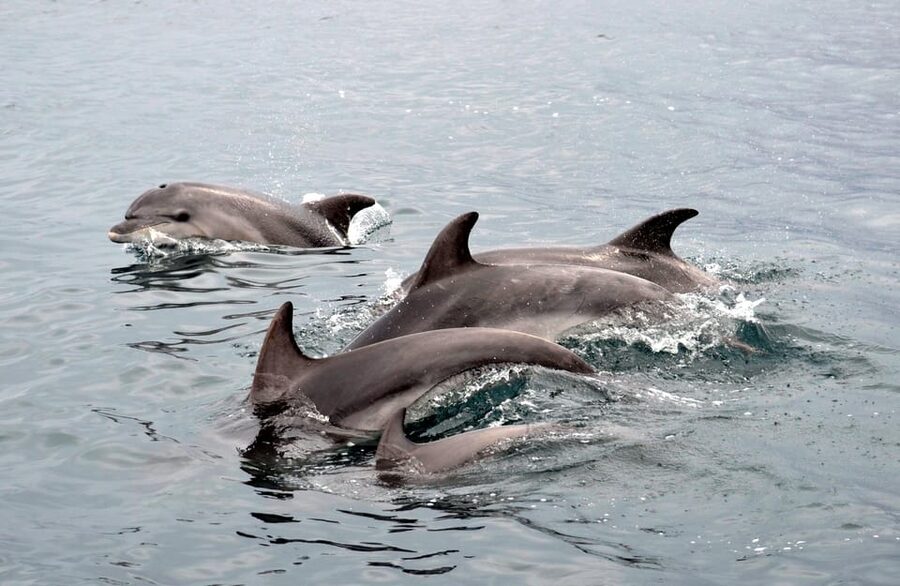
The outing begins at the port, followed by the transfer to the boat and a safety introduction from the team. The researchers then search the Gulf using current information about dolphin activity and sea conditions.
The educational talk is spread through the trip rather than saved for a single lecture. You hear about bottlenose dolphin biology, local behavior, the research program, and the coast as the boat moves. This keeps the information connected to what you may be seeing at that moment.
If dolphins appear, the crew directs your attention and manages the approach. They may photograph dorsal fins, note the position, and record behavior while giving you a good chance to watch. In favorable conditions, the hydrophone adds an audio element that you would not get on a standard sightseeing cruise.
Summer trips then stop for about an hour in the Marine Protected Area for guided snorkeling. Afterward, the boat returns to Alghero. The trip ends at the port rather than at a separate beach or restaurant, and food and drinks are not included.
Bring your own water. There is no food service and no bathroom on board. The lack of a toilet is the most important comfort warning, particularly for a 4-hour departure. Keep belongings secure and pack only what you need for sun, wind, swimming, and photography.
The weather and comfort choices that matter
Wear layers, especially in spring and autumn. Even when the sun is out, wind on a moving boat can feel cold. Summer is warmer, but the Mistral can still make the ride brisk.
Pack:
- Warm clothing or a light jacket
- Sunglasses and a hat
- Sunscreen
- Water
- A towel
- Your camera, if you want photographs
- A swimsuit for the summer snorkeling trip
Smoking, drones, alcohol, drugs, littering, and feeding animals are not allowed. These rules protect both the group and the dolphins. Feeding wildlife would also undermine the natural behavior the researchers are trying to study.
The tour is not suitable for children under 5, pregnant women, people with heart problems, or people over 75. The provided information does not give a detailed medical screening process, so if you have a health concern, ask before booking rather than relying on the boat crew to make a last-minute decision.
How the price compares with the experience
At $59 per person, you are paying for more than transport across the Gulf. The fee includes the boat, a 3-hour dolphin trip or 4-hour dolphin and snorkeling trip, marine biologists on board, interpretive guides, and access to the Marine Protected Area during the summer season.
The research connection gives the price extra value. You can watch the crew collect useful scientific records and learn how photo-identification works. Your booking also supports MareTerra ERC conservation work, so the money contributes to a continuing project rather than only to a one-time excursion.
The value is strongest for people who want an ethical wildlife experience and a serious explanation of the animals. It is less certain for someone who wants luxury, guaranteed sightings, a large stable vessel, or a private guide. There is no food, drink, hotel transfer, or bathroom included.
The booking terms are practical. You can reserve now and pay later, and cancellation is free up to 24 hours before departure for a full refund. That flexibility is useful because sea conditions can change, though it does not cover a trip where dolphins are not seen.
Who should book this Alghero dolphin trip?
I would choose this for adults, older children over 5, and anyone curious about marine science. It suits people who enjoy learning while they travel and who can accept that a wild animal encounter may be brief, distant, or absent.
The summer version is best if you want a fuller half-day on the water and enjoy snorkeling. The cooler-season version works well if dolphin watching is your main goal and you would rather spend only 3 hours at sea.
This is not the right pick if you need a toilet nearby, dislike small boats, are prone to seasickness, or need guaranteed wildlife. It may also be uncomfortable for anyone who cannot manage wind, sun, or a moving boat for several hours.
Final call: a strong choice for ethical wildlife watching
Book this Alghero tour if you want to see dolphins without treating them like performers. The combination of marine biologists, local research, careful viewing rules, and possible hydrophone listening gives the trip real substance.
Choose June through September if guided snorkeling and the chance to see an octopus appeal to you. Choose April, May, or October for a shorter dolphin-focused outing, but pack warm layers. Most importantly, book with the right expectation: you are joining a scientific search for free-ranging animals, not buying a guaranteed encounter.
FAQ
How long is the Alghero dolphin tour?
The dolphin-watching trip lasts 3 hours in April, May, and October. From June through September, the dolphin trip includes guided snorkeling and lasts 4 hours.
Where does the tour meet?
You meet in front of the Cicloexpress bike rental shop on the Lungomare Barcellona promenade. Wait on the benches outside for a MareTerra ERC researcher, who will walk you to the boat.
Are dolphins guaranteed?
No. Dolphins are seen on more than 80% of excursions, but they are wild animals that move across a large area. There is no refund if dolphins are not spotted.
What type of dolphins might I see?
The tour focuses on the local bottlenose dolphin population living near the Alghero coast. The researchers may identify individual dolphins by photographing and comparing their dorsal fins.
Is snorkeling included on every departure?
No. Guided snorkeling is included only from June through September. It takes place for about one hour in the Marine Protected Area of Capo Caccia and Isola Piana.
Are snorkeling masks and fins provided?
Yes. Masks and fins are provided on board for the guided snorkeling portion from June through September.
Is there a bathroom on the boat?
No. There is no bathroom on board. You should also bring your own water because food and drinks are not included.
What languages are available?
The live guides speak English and Italian. The tour includes marine biologists from MareTerra ERC and certified local nature guides.
Newly spotted around Italy
- Fishing, Snorkelling & Dolphin Boat Tour★ 5.0 · 56 reviews
- Bari sailing cruise in search of dolphins★ 4.5 · 20 reviews
- Alghero – Dolphin Watching (Spring & Autumn Tour)★ 5.0 · 51 reviews
- Alghero – Dolphin Watching and Guided Snorkeling (summer tour)★ 5.0 · 311 reviews
- Lampedusa: Sunset Dolphin Sighting on a Pirate Ship★ 4.5 · 33 reviews
- Taormina: Dolphin Tour and Sunset Aperitif Boat Tour★ 4.9 · 36 reviews
- Taormina Sunset tour in search of dolphins with aperitif★ 3.5 · 3 reviews
- Sunset Tour and Searching Dolphins★ 4.6 · 10 reviews
Italy Dolphin Watching Tours, side by side.
Golfo Aranci: Eco-Friendly Dolphin Watching Boat Trip
Read our review →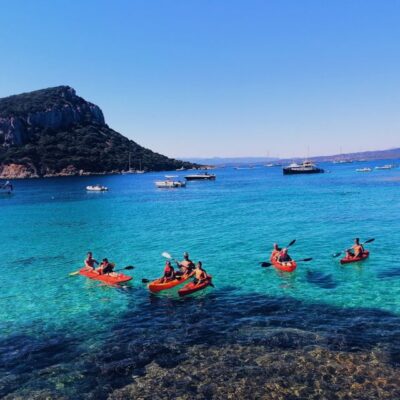
Golfo Aranci: Kayak Tour with Dolphins and Aperitif
Read our review →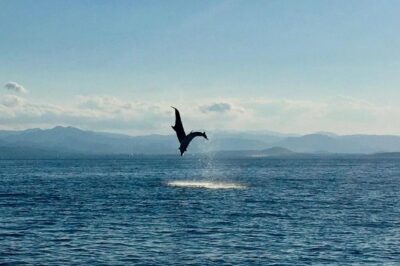
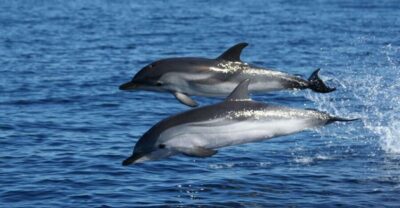
Olbia: Dolphin Watching & Snorkeling Boat Tour near Figarolo
Read our review →
Giardini Naxos: Dolphin Searching Sunset Boat Tour
Read our review →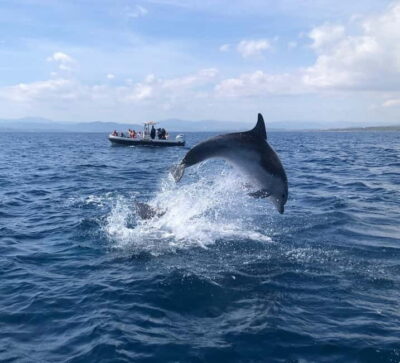
Taormina: Sunset Boat Tour with Dolphin Watching & Aperitif
Read our review →This trip also appears in