Review · PORTUGAL
Horta: University Startup Whale and Dolphin RIB Boat Trip
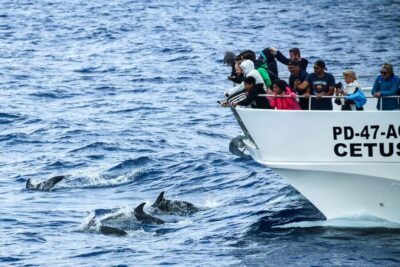
Horta’s best wildlife outing combines a fast RIB ride with real marine research. You leave the marina with a university-linked biologist on board, and land-based whale spotters help guide the boat toward sperm whales, dolphins, and seasonal visitors. The Azores can produce anything from a few dolphins to several whale species feeding in one busy patch of sea.
I especially like the small 16-passenger boat, which keeps the outing personal, and the careful approach to wildlife. You also get waterproof clothing, safety insurance, and a proper briefing instead of a quick jump into a boat. The tradeoff is the open sea: the ride can be rough, and you can get wet even in the supplied gear.
Key points before you book
- University research on board: A marine researcher or biologist explains the species you see and may collect data during the trip.
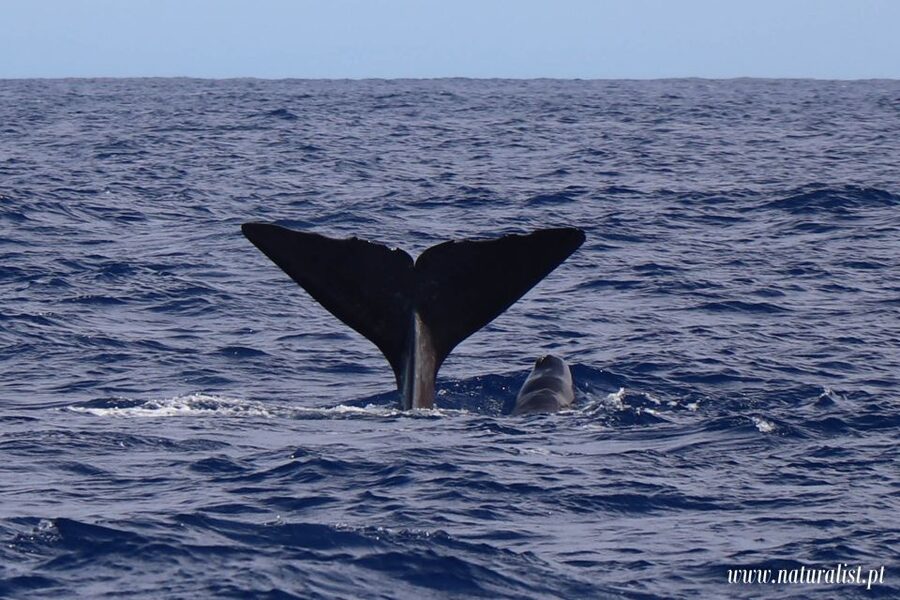
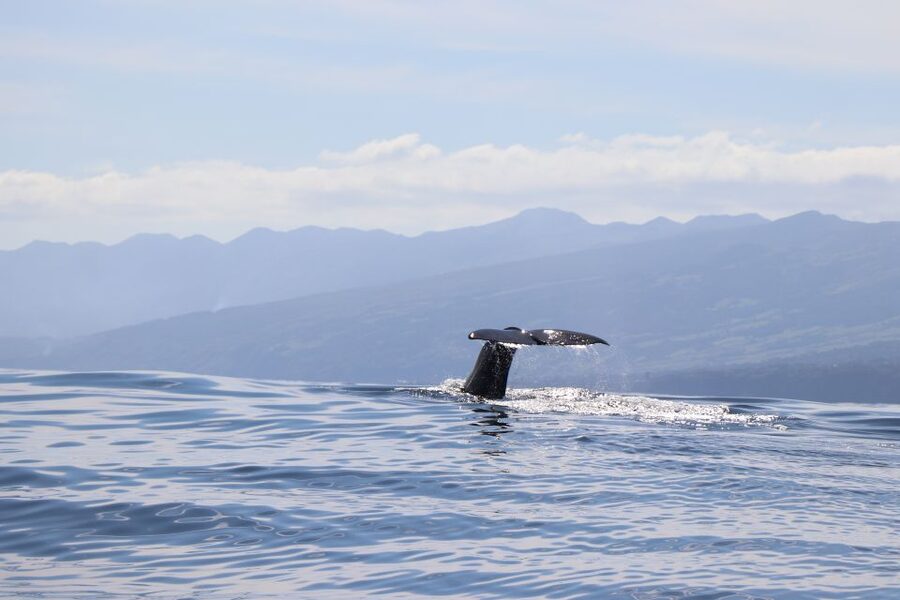
- Resident sperm whales: They can appear year-round, while blue, fin, humpback, sei, and Bryde’s whales are more seasonal.
- Land-based whale spotters: The crew searches from shore before boats head out, giving the captain a better starting point.
- Fast but exposed RIB ride: Expect a lively trip across open water, with spray and bumps possible near the front.
- Wildlife variety: Dolphins, turtles, flying fish, squid, seabirds, sharks, and sunfish can join the whale sightings.
- Weather matters: Trips can be moved to another date, with a full refund if the operator cancels.
Why this Horta whale-watching trip feels different
Many whale trips are mainly about getting to the animals and pointing a camera. This one puts science at the center. The marine researcher gives you current information about whale behavior, identification, feeding, and conservation while you are looking at the animals themselves.
That makes a difference when several species appear together. A distant blow can look like just another whale until someone explains the shape, timing, or behavior that helps identify it. The supplied information names more than 25 cetacean species in the wider region, though you should normally expect two or three species on a single outing rather than a full catalogue of Azorean wildlife.
The operator also works with whale spotters on Faial and Pico. These observers search from land, then help the boat team decide where to go. It is a practical system for a large ocean area, and it means your three hours are used for searching rather than simply motoring in one direction and hoping for luck.
The experience has earned a 4.9 rating from 225 bookings, with especially strong praise for the biologists, careful boat handling, and wildlife encounters. That does not remove nature’s uncertainty. One outing recorded no whales, and that is always possible on a wild-animal trip.
More Speedboat and RIB Dolphin Trips in Portugal
- Albufeira: Benagil Caves & Dolphin Watching Speed Boat Tour
★ 4.6 · 6,316 reviews - Funchal: Whale and Dolphin Watching Speed Boat Tour
★ 4.6 · 526 reviews - Pico Island: Azores Whale & Dolphin Watching on Zodiac Boat
★ 4.8 · 408 reviews
Meeting at Horta Marina and getting ready
Find Naturalist, Science & Tourism, Whale Watching in the marina. Arrive 15 minutes early, at 8:45 for the 9:00 morning departure or 1:45 for the 2:00 afternoon departure.
The first step is a safety briefing of about 10 minutes. This is where you learn how to sit, move, and handle yourself on a semi-rigid inflatable boat. You also receive waterproof clothing. Bring shoes that can handle spray or dry quickly, since the clothing protects your body better than your footwear.
Food and drinks are not included, and hotel pickup is not provided. Plan those details before you arrive. The marina meeting point is simple, but you do not want to be rushing in with a snack, camera, or extra layer at the last minute.
The boat carries up to 16 people. Actual groups can be smaller. One recorded outing had 11 tourists and two marine biologists, which gives you a sense of how comfortably the boat may feel when it is not full. A smaller group also makes it easier to hear explanations and shift your view when an animal surfaces.
The RIB ride across Faial’s open water
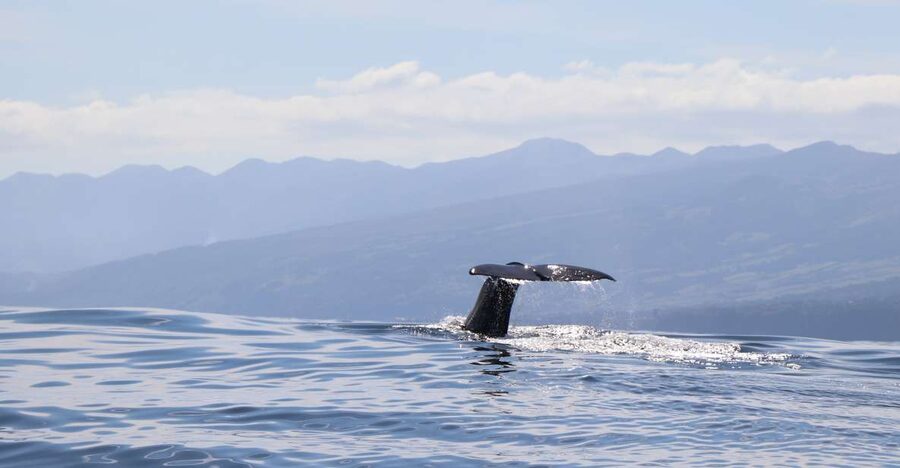
A RIB is not a slow sightseeing launch. It is a semi-rigid, high-speed boat designed to cover ground quickly, which matters when whales may be several miles from the harbor. You get scenic views on the way out, but the main attraction is the sea ahead, not a narrated cruise around the waterfront.
The ride can be bumpy. One spring outing was described as turbulent, while another noted rough seas and a strong chance of getting wet, especially in the front seats. I would choose the middle or rear if you prefer a steadier ride, though the exact seating arrangement is not specified and the crew controls the setup.
The speed is part of the fun, but do not mistake it for a gentle boat trip. This activity is not suitable for children under five, pregnant women, people with severe back problems, or people recovering from recent surgery. The operator also specifically warns against taking the trip with serious back issues.
If you are comfortable on an exposed boat, the RIB gives the outing energy without making it feel like a large group excursion. Captain skill matters here. Several accounts praise careful maneuvering and keeping a proper distance from whales, which is the right balance: close enough for useful views, never forcing the animals to change course.
Finding sperm whales and seasonal giants
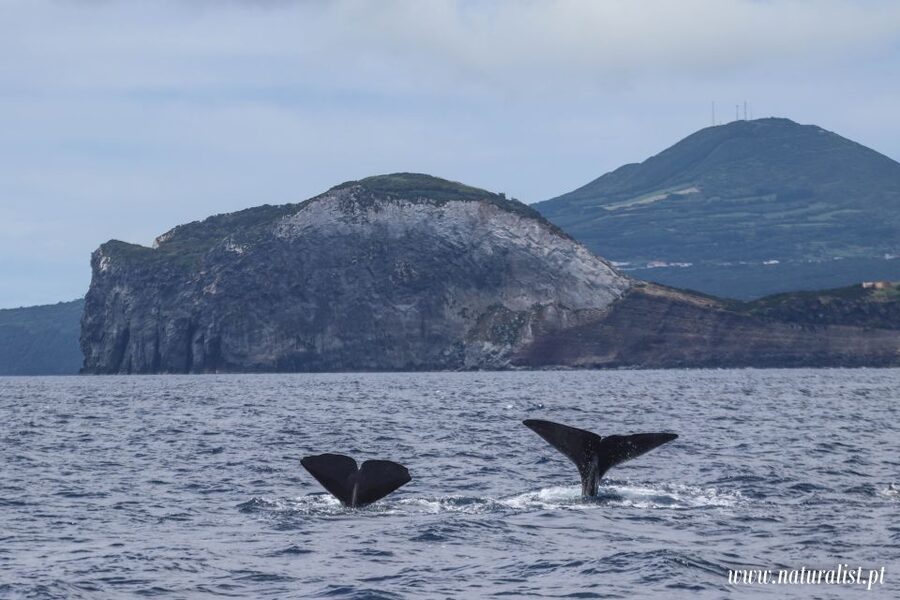
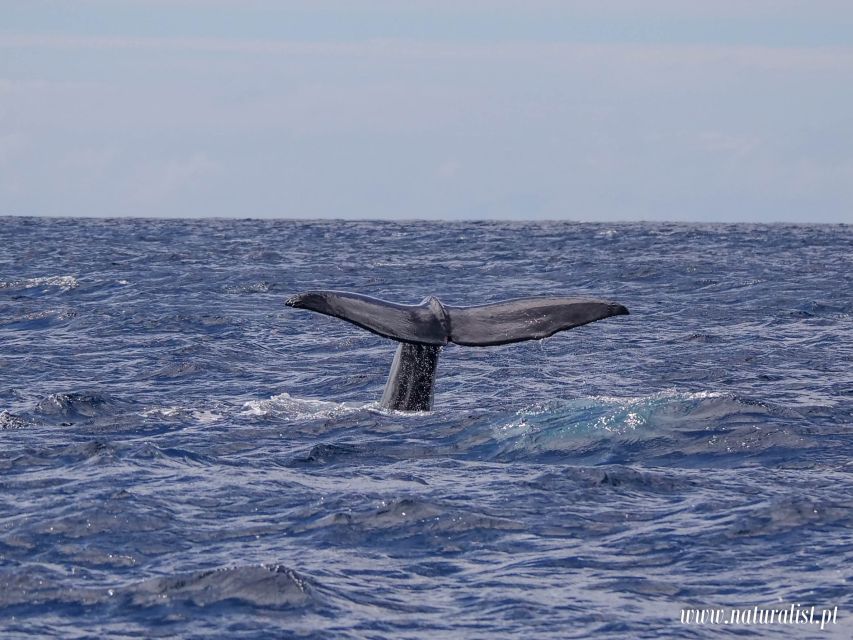
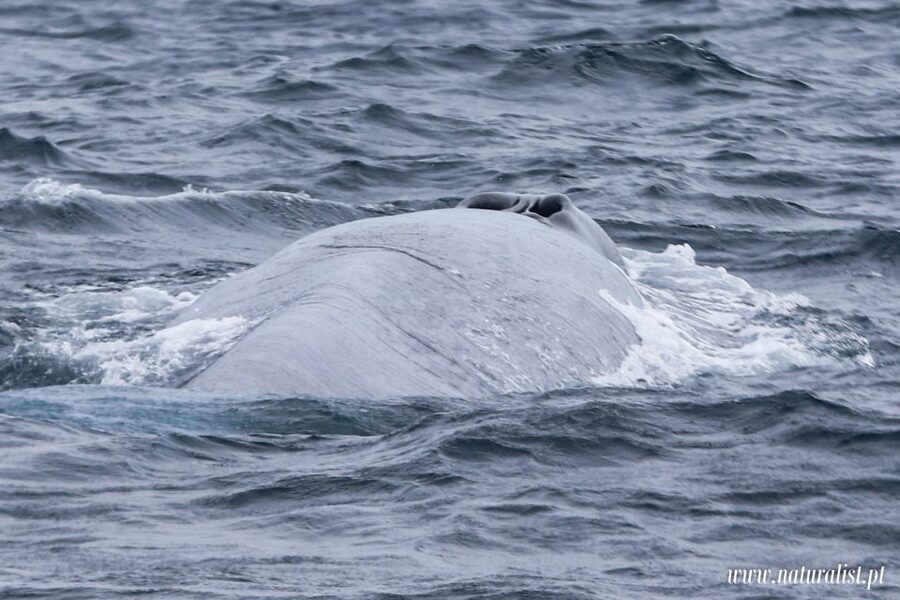
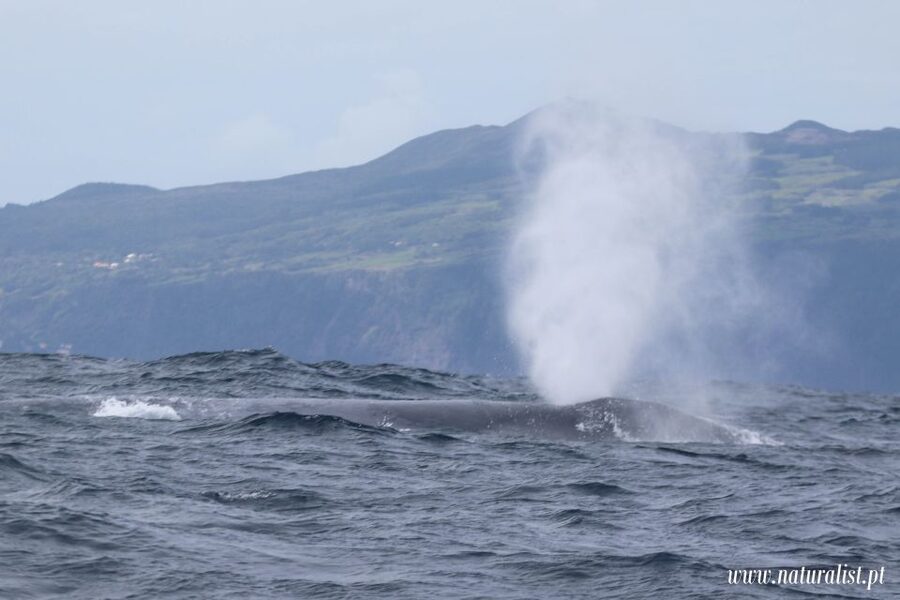
Sperm whales are the main year-round possibility. They live in the Azores through all seasons, so you have a reasonable target even outside the peak migration periods. Their broad bodies and powerful blows can make a sighting memorable, but the boat may still need patience and repositioning.
Spring is a good period for blue and fin whales. Sei whales can appear in spring and summer, and Bryde’s whales may also be seen in summer. Humpback whales are migratory, so their presence is seasonal rather than guaranteed.
The exact month does not decide everything. Weather, feeding conditions, and animal movement all matter. One September outing produced sperm, sei, and humpback whales, with hundreds of dolphins and thousands of birds feeding in the same area. Another October trip saw three kinds of whales, dolphins, tuna, and shearwaters.
That variety is one reason to keep your expectations broad. If you book only to see one named species, the ocean may disappoint you. If you see the trip as a chance to understand Azorean marine life, a pod of dolphins, a turtle, or a flock of shearwaters can make the day worthwhile even if the largest whales stay out of sight.
More Whale and Dolphin Watching Tours in Portugal
- From Funchal: Ecological Catamaran Dolphin Whale Watching
★ 4.5 · 8,204 reviews - Funchal: Dolphin and Whale Watching Catamaran Cruise
★ 4.5 · 5,697 reviews - From Ponta Delgada: Whale and Dolphin Watching Trip
★ 4.7 · 4,109 reviews - Funchal Bay: Dolphin & Whale Watch Luxury Catamaran Cruise
★ 4.2 · 2,684 reviews
Dolphins, turtles, birds, and smaller surprises
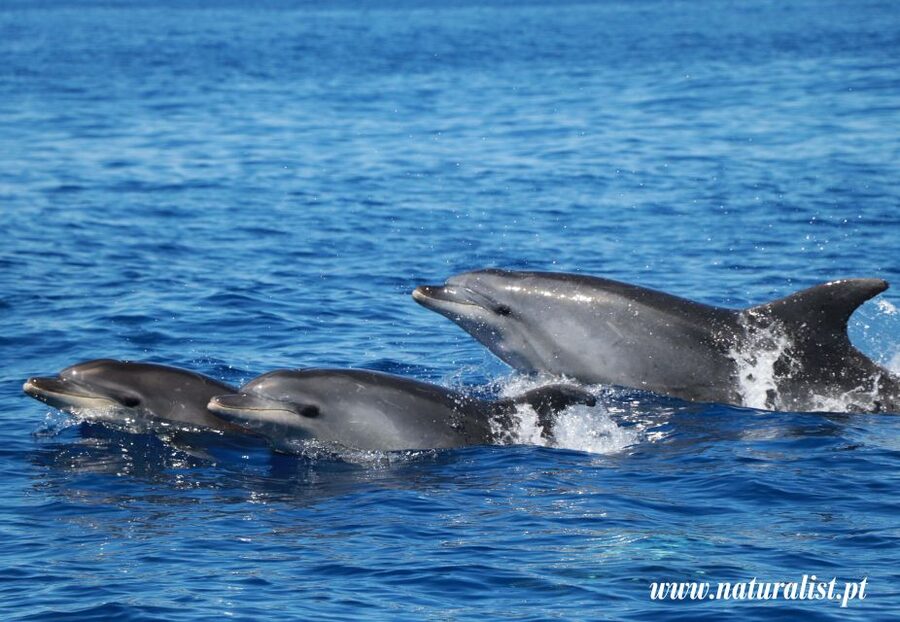
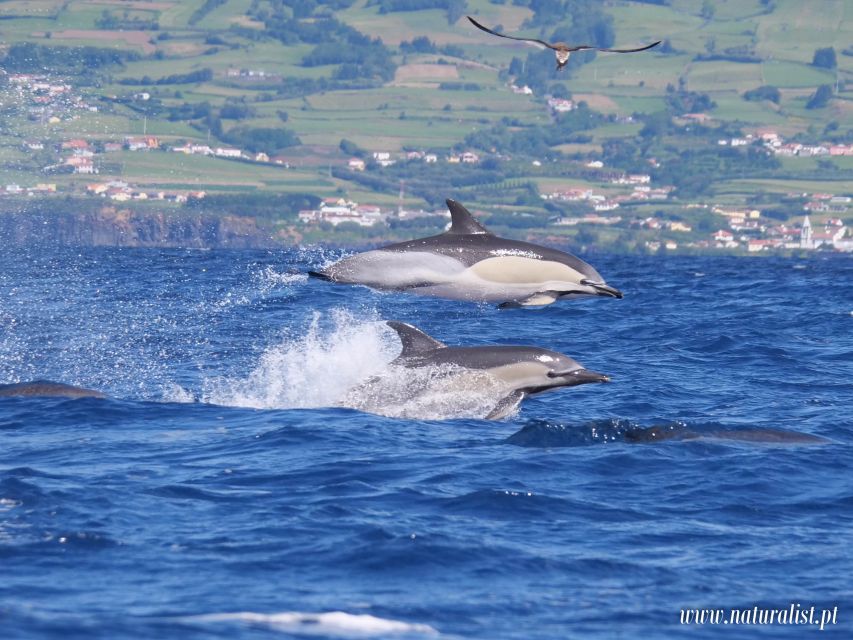
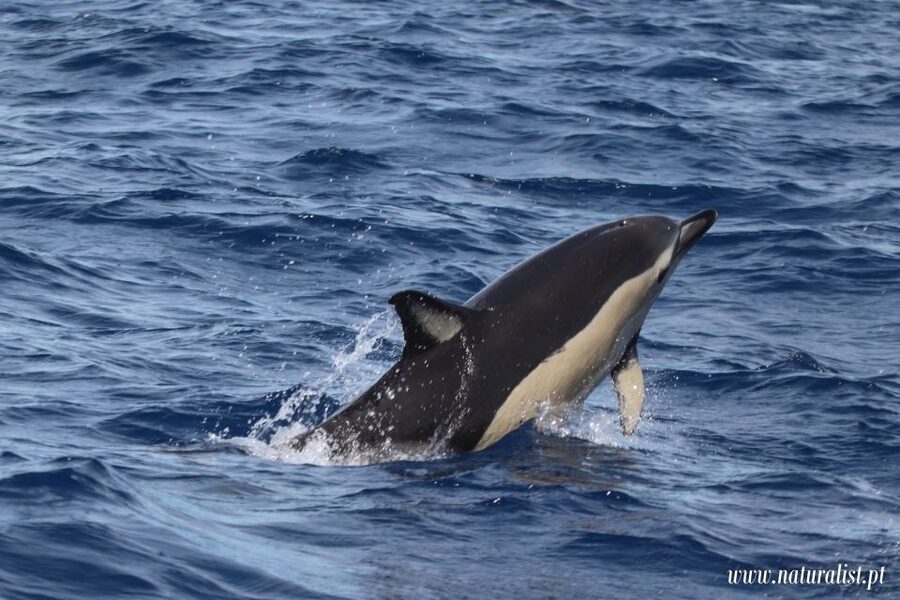
Dolphins are among the most likely highlights. Bottlenose, Risso’s, and common dolphins are resident species, and other kinds pass through. Sightings can range from a few animals to dozens or hundreds moving around the boat and feeding in the waves.
The boat may approach dolphins more closely than whales, but the crew still needs to follow responsible wildlife practices. The captain’s job is not to create a theme-park encounter. The best moments come when the dolphins choose to ride the waves or surface near you on their own.
Sea turtles add another layer to the trip. Loggerhead and green turtles live in the Azores, while leatherback and Kemp’s ridley turtles can also appear. One outing recorded two loggerheads, an especially welcome surprise because turtles are not the main target of the expedition.
Keep scanning the water between whale sightings. Flying fish, squid, octopus, hammerhead sharks, blue sharks, and ocean sunfish are all possible. None is promised, but the marine biologist can help you understand what you are seeing instead of reducing every distant shape to a vague fin.
Birdwatching is also part of the experience. Look for Cory’s, great, and Manx shearwaters, along with common and roseate terns. Tuna and shearwaters have appeared alongside whales, and a large feeding group can turn the sea into a busy scene of blows, wings, and splashes.
What the marine biologist adds
The biologist is not simply a guide who knows a few names. The stated purpose includes collecting data, and part of the money supports research. That gives the trip a useful connection to the place you are visiting: your outing is tied to ongoing study of the Azores marine environment.
Guides have included Anna and Cristiana, both praised for clear explanations and strong knowledge of whale and dolphin behavior. Staff may vary, so do not book on the assumption that one particular person will be aboard. The important point is the scientific role built into the expedition.
You may also receive photographs after the trip. On one outing, the second marine biologist photographed the animals and provided the best images afterward at no extra cost. That service is not listed as a guaranteed inclusion, so treat it as a possible bonus rather than something to count on.
The commentary is available in English and Portuguese. The wider expedition information also allows Spanish, while French must be requested ahead of time and depends on availability. If language support is important, confirm it before paying.
The value of $101 for three hours
At $101 per person, this is not the cheapest way to spend a morning in Horta. The price makes more sense when you count what is included: a three-hour expedition, a 16-person RIB, waterproof clothing, safety insurance, a marine researcher on board, and the land-based spotting network.
You are also paying for a better chance of finding wildlife, not a guaranteed result. The boat and spotters can improve the search, but no operator can schedule a whale. That distinction matters when comparing this trip with a basic boat ride.
I think the value is strongest for visitors who care about learning as well as seeing. If you simply want a fast ocean ride, a less research-focused trip may suit you. If you want explanations of species, responsible viewing, and a smaller boat, the added cost is easier to justify.
The reserve-now, pay-later option gives you some flexibility, and you can cancel up to 24 hours before departure for a full refund. Weather cancellations can be rescheduled, with a full refund if the trip is cancelled. Since the sea controls the schedule, that policy is important rather than a minor booking detail.
Practical ways to enjoy the three hours
Wear quick-drying clothes beneath the waterproof suit. Bring a camera or phone only if you can protect it from spray. The operator supplies waterproof outer clothing, but your footwear still needs thought.
Take the safety briefing seriously. A RIB moves fast, and the sea may feel calm in the marina but rough farther out. If you have back concerns, recent surgery, or motion-related limits, ask yourself honestly if a semi-rigid boat is right for you.
Book with some flexibility if your schedule allows. A storm forced one outing to move from its original date, but the operator helped arrange a new departure from Pico. That kind of weather response is useful in the Azores, where conditions can change the plan.
Morning and afternoon trips are both available. The best departure time is not specified as a wildlife advantage, so choose the one that fits your plans and leave room for a weather change.
Who should book this experience?
I would recommend it to adults and older children who enjoy wildlife, open water, and clear scientific explanations. It is a particularly good match if you want to support marine research or prefer a small group to a large sightseeing boat.
It is less suitable if you need a smooth, dry ride or if a whale sighting is your only measure of success. You should also skip it if you are pregnant, have severe back problems, recently had surgery, or are bringing a child under five.
The strongest reason to choose this trip is the mix of serious wildlife education and a lively RIB outing. The main caution is equally clear: the sea sets the terms, and the ride may be rough.
Should you book the Horta whale-watching trip?
Book it if you can accept uncertainty and want more than a quick animal sighting. The combination of land spotters, a marine biologist, careful boat handling, and the chance of sperm whales, dolphins, turtles, and seabirds gives the experience real substance.
I would not book it as a guaranteed whale hunt. I would book it as a well-run Azores marine expedition, where the hoped-for reward might be five sperm whales, hundreds of dolphins, or a loggerhead turtle, but where the explanations and ocean setting still matter on a quieter day.
FAQ
Where does the whale-watching trip start?
It starts at Naturalist, Science & Tourism, Whale Watching, in Horta Marina.
How early should I arrive?
Arrive 15 minutes before departure, at 8:45 for the 9:00 morning trip or 1:45 for the 2:00 afternoon trip.
How long does the activity last?
The expedition takes an average of three hours.
How many people can the RIB carry?
The semi-rigid RIB carries up to 16 passengers.
What languages are available?
Tours are offered in English and Portuguese. Spanish may be available, and French must be requested in advance according to availability.
Are food and drinks included?
No. Food and drinks are not included.
Is hotel pickup included?
No. You need to reach the marina meeting point yourself.
What clothing is supplied?
Waterproof clothing is included. You should still bring suitable footwear that can handle spray or dry quickly.
What happens if the weather is bad?
Trips depend on weather conditions and may be rescheduled. If the operator cancels, you can receive a full refund.
Can I cancel my booking?
Yes. You can cancel up to 24 hours before departure for a full refund.
Newly spotted around Portugal
- Whale & Dolphin Watching in Madeira★ 5.0 · 191 reviews
- Eco-Friendly Catamaran Dolphin and Whale Watching★ 4.5 · 226 reviews
- Magic Dolphin Sea Safaris★ 5.0 · 274 reviews
- Whale and Dolphin Watching Tour from Funchal★ 4.5 · 317 reviews
- Dolphin Watching in the Wild – Half Day★ 4.0 · 4 reviews
- Setúbal Private Tour – Including Dolphin Watching★ 4.0 · 3 reviews
- Lisbon Dolphin Watching Ocean Safari★ 5.0 · 35 reviews
- Lisbon: Dolphin Watching with Marine Biologist – Small Group★ 5.0 · 131 reviews
Portugal Dolphin Watching Tours, side by side.
Albufeira: 2.5-Hour Benagil Caves & Dolphin Watching
Read our review →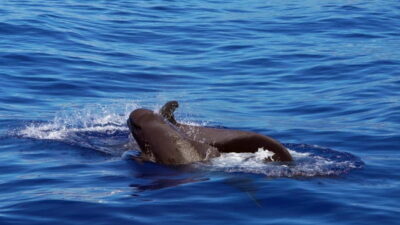
From Funchal: Ecological Catamaran Dolphin Whale Watching
Read our review →
Albufeira: Benagil Caves & Dolphin Watching Speed Boat Tour
Read our review →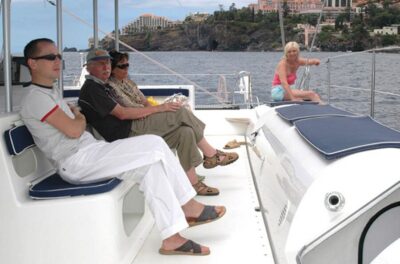
Funchal: Dolphin and Whale Watching Catamaran Cruise
Read our review →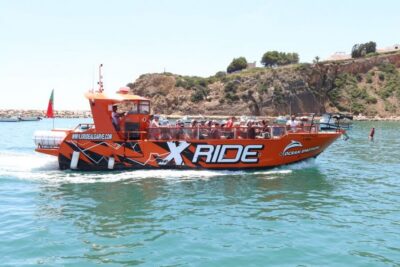
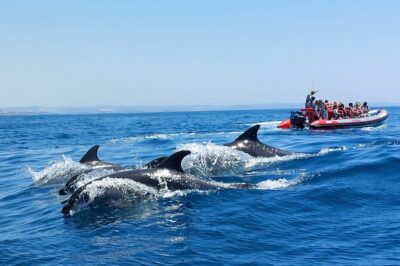
Dolphins Search and Benagil Caves from Albufeira
Read our review →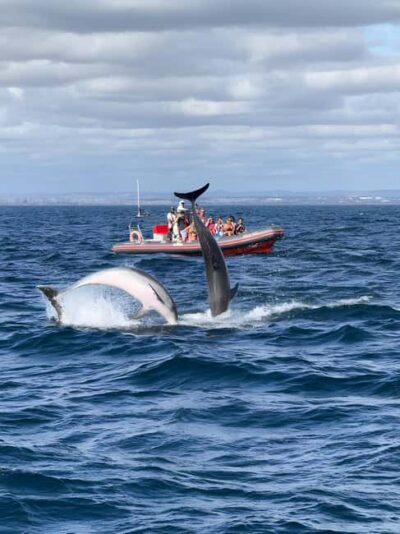
Albufeira: Dolphin Watching and Benagil Cave Boat Cruise
Read our review →