
Review · NEW ZEALAND
From Tauranga: Dolphin and Wildlife Cruise
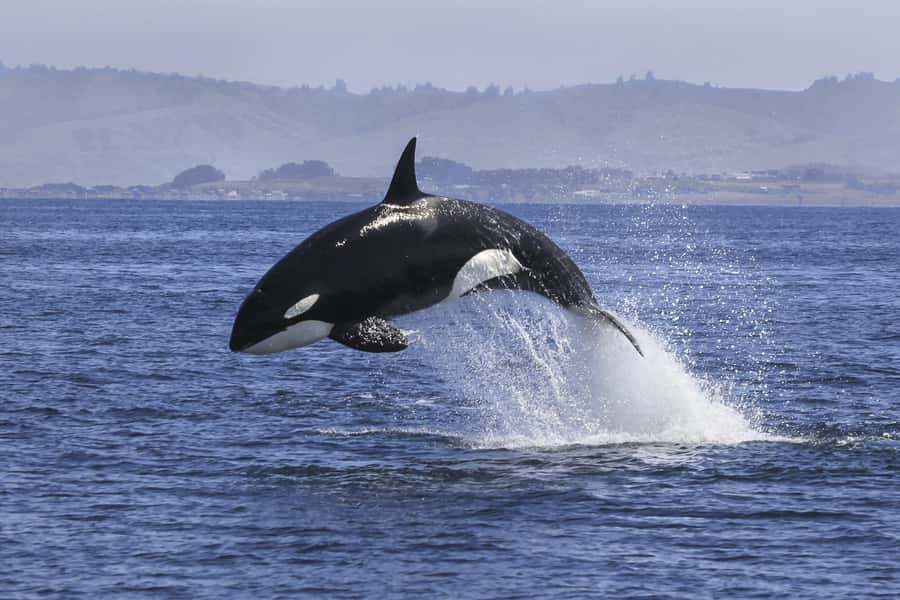
The best part of this Tauranga cruise is the chance to watch wild dolphins swim beside the boat, sometimes for an hour or more. The Bay of Plenty can also produce penguins, seabirds, seals, sharks, whales, sunfish, orcas and turtles, though nature keeps its own schedule. Dolphin sightings are common, but never guaranteed.
I like two things right away: the open boat gives you wide viewing angles, and the crew keeps the trip interesting with live commentary about the animals and Tauranga’s coast. I also like the timing. You leave at 9 am and usually return between 1 and 2 pm, leaving your afternoon free for Mount Maunganui or Tauranga.
The main drawback is the sea itself. Even on a pleasant day, the boat can sway, and some people have become seasick. A wildlife cruise may also spend a long stretch searching before anything appears, so bring patience, motion-sickness medicine if you normally need it, and something to read for the ride home.
The details that matter most
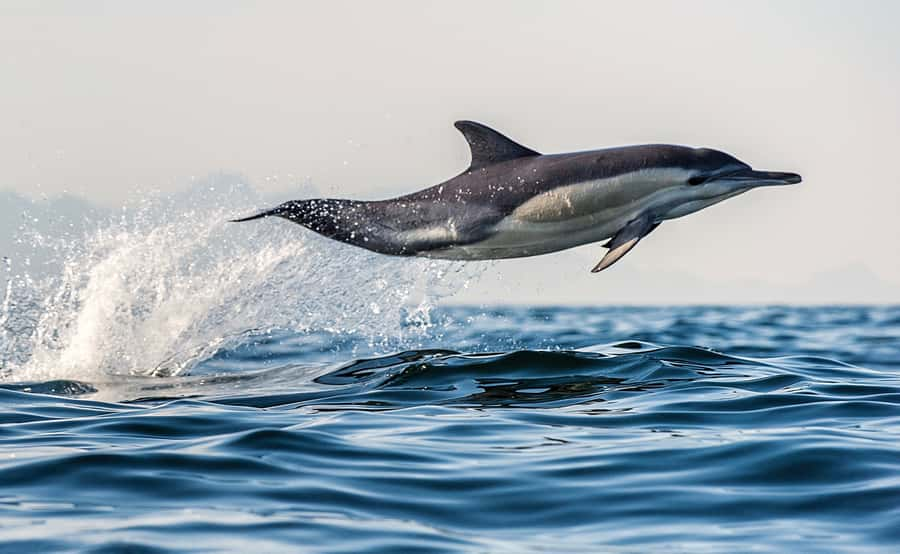
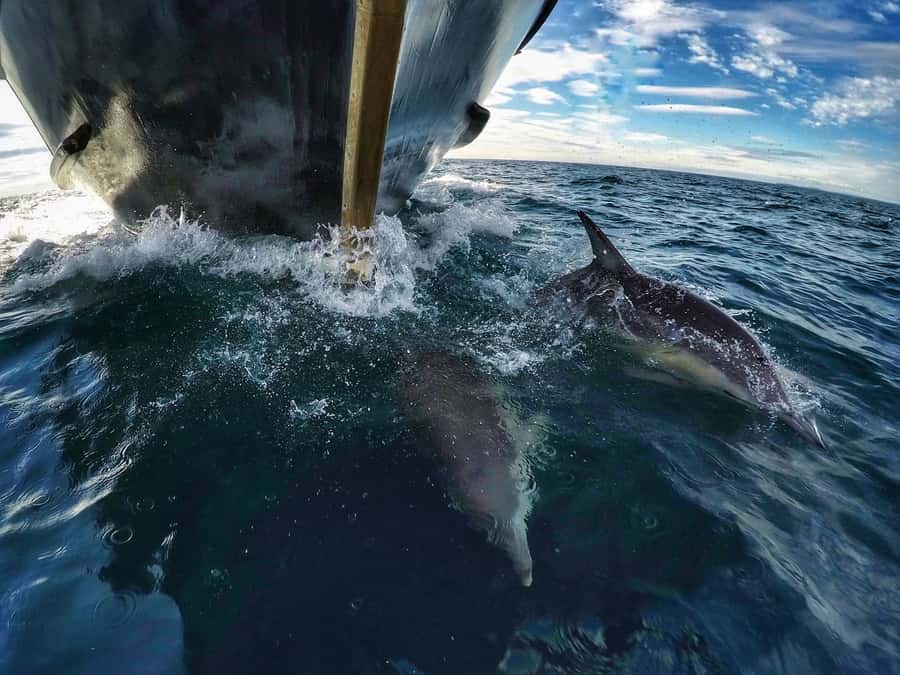
- Dolphins may stay with the boat: Several trips have had pods swimming near the bow for 30 minutes to an hour, creating excellent viewing and photo chances.
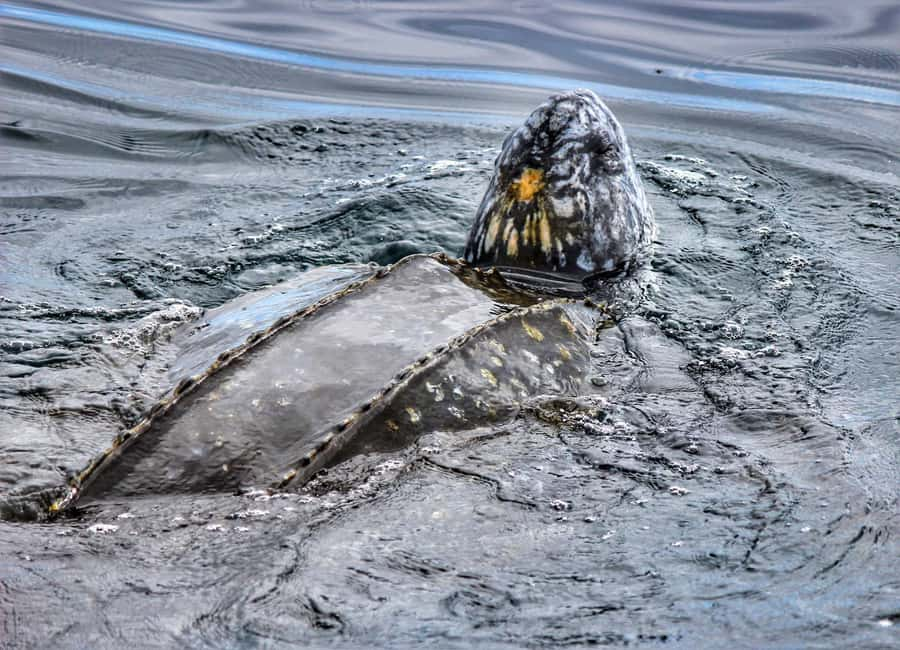
- The wildlife list is broad: Possible sightings include little penguins, orcas, sharks, whales, sunfish, seals, turtles, flying fish and many seabirds.
- The boat is built for viewing: You get a large open sun deck, 360-degree views, onboard toilets and space suited to families.
- The crew adds real value: Jamie, Taylor, Emily Dee, James and Jordan have all been praised for friendly service, clear explanations and a good sense of humor.
- Weather can change the plan: Strong wind or rough sea may keep the boat in the harbour or move the departure date.
- Pack your own supplies: Lunch and drinks are not included. Bring water, sunscreen, warm layers, sunglasses, a camera and binoculars.
Starting at Tauranga’s Strand Wharf
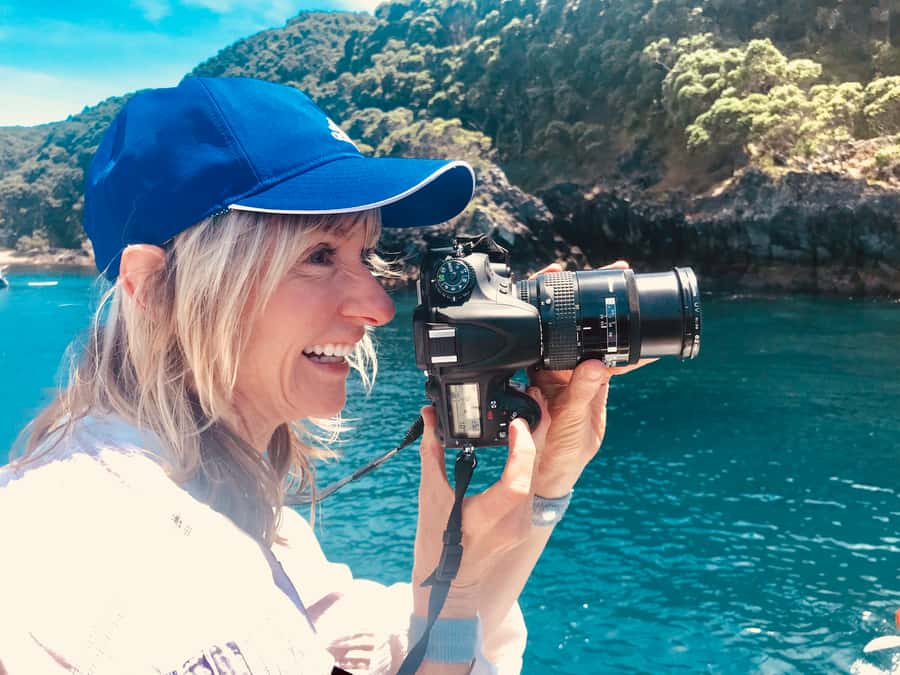
Your morning begins at The Strand Wharf in central Tauranga, across from Starbucks. Arrive by 8:30 am for the 9 am departure. If you are driving, allow time to find parking near Dive Crescent and walk to the waterfront.
This location is especially useful if you are visiting Tauranga from a cruise ship. The wharf is about a five-minute walk from the end of the pier, according to one recent cruise passenger who booked the outing for friends as well. Still, do not cut it close. Traffic, parking and ship disembarkation can all take longer than expected.
Before leaving Port of Tauranga, you receive a safety briefing. The crew gets you settled, explains how to move around the boat, and sets expectations for a day governed by wind, waves and animal behavior. This is not a zoo visit with a fixed timetable. You may see a pod quickly, or you may spend much of the morning looking across open water.
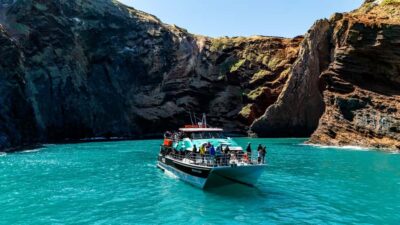
The boat is a custom-built cruising vessel with a spacious open sun deck. That design matters. Wildlife can surface on either side, and the 360-degree views give you a better chance of spotting movement before it disappears. You can move around to share the best viewing spots, and the crew works to give everyone a fair chance at the rail.
More Dolphin and Wildlife Eco Tours in New Zealand:
- Akaroa Dolphins ~ Harbour Nature Cruise
★ 5.0 · 2,143 reviews - Auckland: Whale and Dolphin Watching Half-Day Eco Cruise
★ 4.5 · 1,072 reviews - Akaroa: Dolphin Nature Cruise
★ 4.9 · 440 reviews
Tauranga Harbour and the statue of Tangaroa
The first part of the cruise takes you through Tauranga Harbour. The captain provides commentary as the city recedes and points out features along the waterfront. The route includes a guided look at the Statue of Tangaroa, a natural point for learning about the sea and its place in local life.
You also pass beneath or near Tauranga Harbour Bridge, where the boat pauses for photographs. This part of the outing is more than filler. It gives you time to settle into the boat, test your camera, and enjoy Tauranga from the water before the search for wildlife begins.
I would use this opening section to get your bearings and choose a comfortable spot. If you are prone to motion sickness, remain where you can see the horizon and avoid waiting until you feel unwell before taking action. The boat may feel calm in the harbour and noticeably more active once it reaches open water.
Mount Maunganui from the water
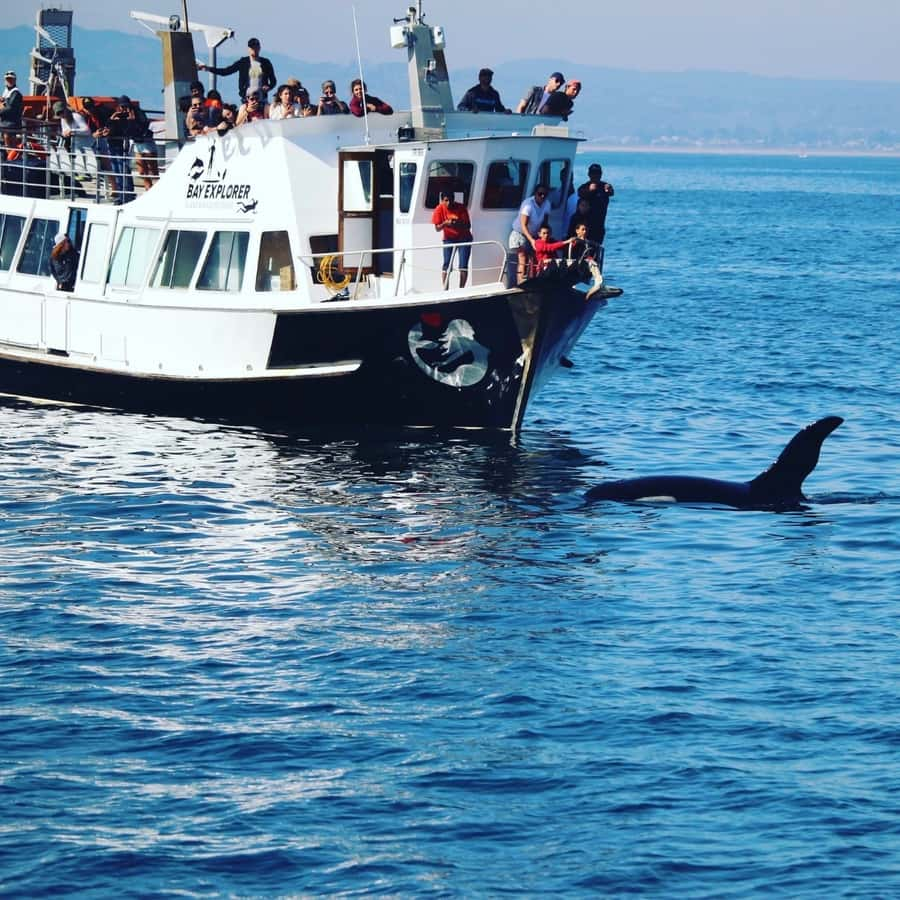
Mauao, also called Mount Maunganui, is another major sight along the route. Seen from the water, the mount gives the cruise a strong visual landmark and helps show how quickly Tauranga changes from urban waterfront to open coastal scenery.
The crew offers guided sightseeing as you pass. You can take photographs of Mauao, the harbour and the changing views, but keep your camera ready for the more important reason you are on board. A dolphin’s dorsal fin may appear while everyone is admiring the coastline, and wildlife often offers no second chance.
This portion works well for families because there is variety even before the animals appear. Children can watch the boat move through the harbour, look for birds and learn why the crew is scanning particular areas. The boat’s size and open deck also make it easier to avoid having your view blocked, though busy moments near dolphins may still require patience and cooperation.
Searching the Bay of Plenty
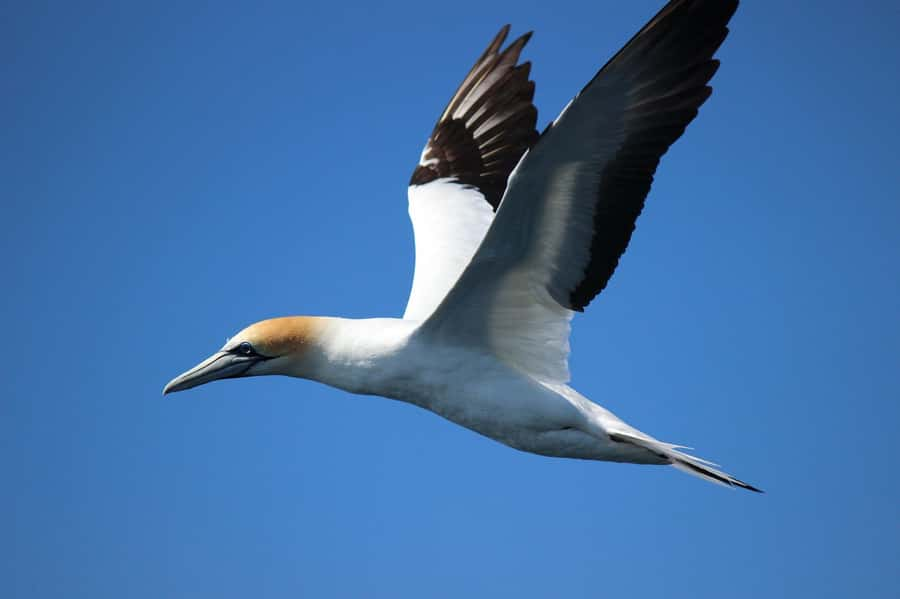
Once you reach the Bay of Plenty, the main search begins. The captain and crew watch the water for fins, splashes, bird activity and other signs of feeding marine life. The route includes viewpoints and quieter stops chosen according to conditions and what the crew is seeing.
This is where you need the right mindset. A five-hour cruise does not mean five hours of nonstop animals. You may find dolphins quickly, or you may spend a long time moving through open water with only seabirds and distant shapes for company. One outing was shortened by wind and stayed closer to the harbour, while another had two dolphin pods, penguins and orcas moving under the boat.
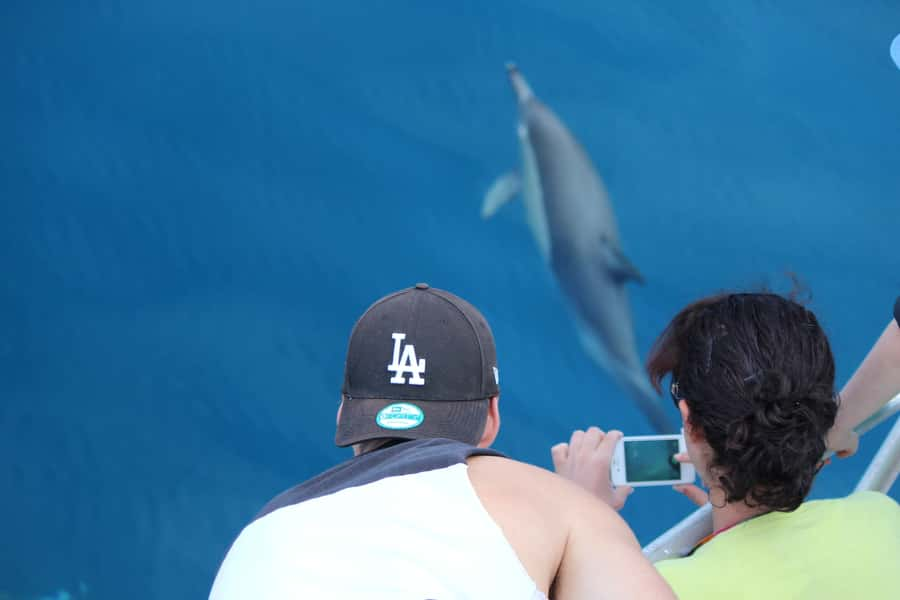
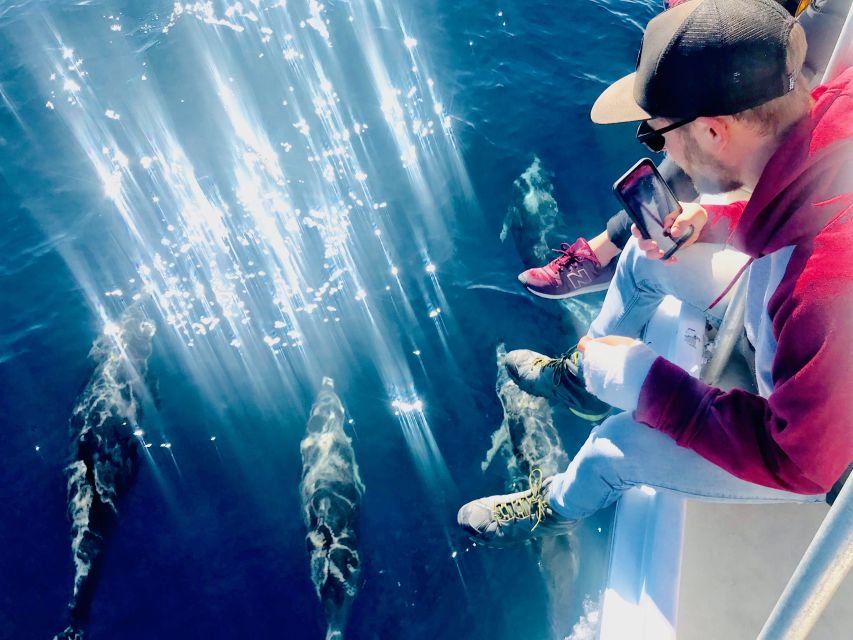
The payoff can be remarkable. Dolphins have been seen swimming beneath passengers’ feet and riding the bow wave. On particularly fortunate trips, an hour with a pod has been possible. Little penguins and flocks of seabirds have appeared as unexpected additions, while other outings have produced sharks, flying fish, schools of fish and signs of feeding activity.
Possible species listed for the area include:
- Common dolphins and other dolphin pods
- Little penguins
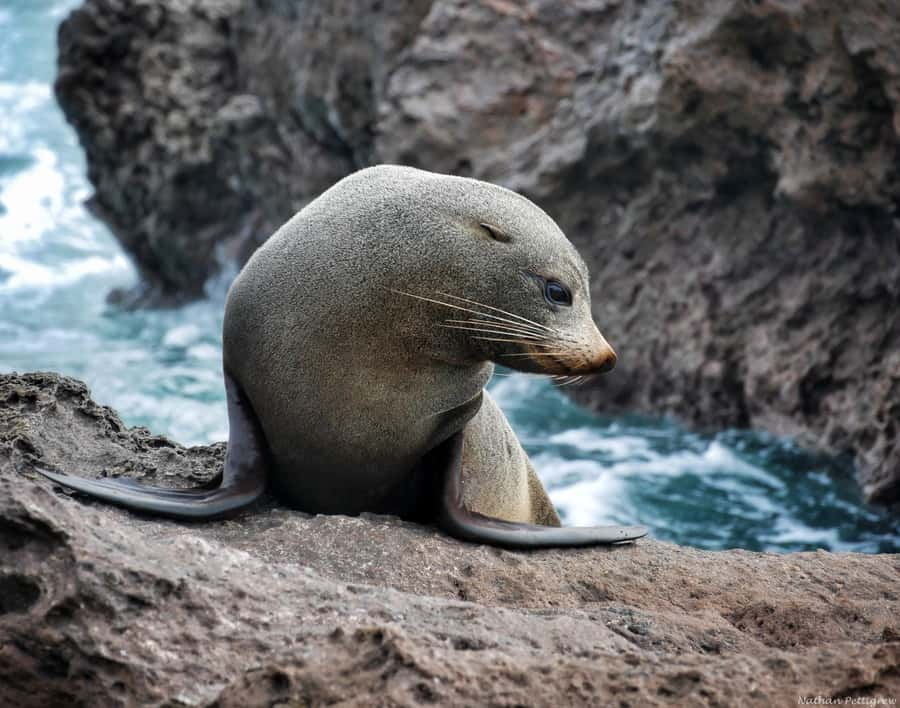
- Seals and whales
- Orcas
- Sunfish and turtles
- Sharks, including a hammerhead sighting
- Flying fish and schools of fish
- White-faced storm petrels
- Fluttering shearwaters
- Little pied cormorants
That list explains the appeal, but it should not become a promise. The crew can search and position the boat carefully, but it cannot order a whale or orca to surface. Some outings produce a memorable parade of wildlife. Others offer dolphins, birds and scenery, or remain within the harbour because wind makes open-water travel unsafe.
More Dolphin Watching Cruises in New Zealand:
- Auckland Dolphin and Whale Watching Eco-Safari Cruise
★ 4.5 · 1,790 reviews - Paihia/Russell: Hole in the Rock, Dolphins & Island Cruise
★ 4.6 · 821 reviews - Auckland: Tikapa Moana Whales, Dolphins and Islands Cruise
★ 3.9 · 292 reviews - Akaroa Harbour 2-Hour Dolphin Nature Cruise
★ 4.7 · 235 reviews
What the crew adds to the day
The crew is a major part of the experience. Jamie and Taylor have been singled out for warmth, humor and clear explanations, while Emily Dee and James have also received praise for their friendly approach. Jordan has been noted for particularly useful commentary and for taking time to talk with people informally.
You can expect the crew to identify birds, explain marine behavior and point out sightings so you do not miss them. They also help passengers share the best positions around the boat. That last detail matters when a pod appears on one side and everyone wants the same view.
The commentary covers local marine life and the Bay of Plenty area rather than filling every minute with a scripted speech. On slower stretches, the crew’s attitude helps. They understand that searching is part of the work and keep the mood light when the sea is quiet.
There are onboard books and resources, which are useful during a long search. The vessel also has bathrooms, a practical feature on a four to five-hour outing. A bar sells regional wine, locally brewed beer, soft drinks and other non-alcoholic choices, but drinks are extra and you should bring an Eftpos card or cash.
Wildlife photography from the open deck
You do not need expensive equipment to enjoy the photography. The open deck gives you room to raise a phone or camera quickly, and the crew points out animals before they pass. Keep your camera ready rather than packed away in a bag.
For dolphins, a fast shutter speed helps if your camera allows it. The action can be brief, and spray or glare may make the first sighting difficult to capture. Binoculars are worth bringing for birds and distant fins, even though you may later see the animals much closer.
You should also protect your equipment. Wind and sea spray are part of the setting, so a simple waterproof bag or cover is sensible. Sunscreen and sunglasses matter too. The sun can feel strong on the deck, while the wind can make the air cool even on a bright day.
Five hours, $104, and what you receive
At $104 per person, this is not a cheap harbour ride. It is a half-day wildlife search with an experienced captain, live commentary, a purpose-built vessel, open viewing space, toilets and access to onboard reference material.
I think the price is fair when you value the boat time and the chance of a close encounter. A long stay with dolphins, penguins or orcas can make the cost feel very reasonable. The value is less certain if you want a guaranteed sighting, dislike open-water motion, or have only a short window in Tauranga.
Lunch and drinks are not included. Pack your own lunch and bottled water, then treat the bar as an optional extra rather than part of the ticket. Regional wine and local beer are available, but alcohol may not be what you want when the boat is moving, especially if you are sensitive to seasickness.
The Qualmark Silver accreditation gives you an additional sign that the operator follows recognized tourism standards. It does not change the basic rule of wildlife outings: good organization improves your chances, but it cannot control the weather or animals.
Seasickness, weather and backup plans
Take the sea conditions seriously. One passenger had a fine day despite seasickness, while another observed that many people became unwell during a long trip. The boat can sway even when the sky is clear.
If you know you are prone to motion sickness, speak with a pharmacist or doctor before the trip about suitable medication. Bring water, eat sensibly, watch the horizon and choose an outdoor position where you can see the movement of the boat. The operator does not promise to provide medication or wristbands.
Weather can also alter the day. A windy departure may prevent the boat from reaching open sea, leading to dolphin sightings closer to Tauranga and a harbour cruise instead. In some cases, poor conditions have required a date change. The operator allows free cancellation up to 24 hours before departure, but if you are already in the region, keep some flexibility in your schedule.
The trip normally lasts four to five hours, with the exact timing affected by weather, daylight saving, sea conditions and time spent with dolphins or other animals. You should normally return between 1 and 2 pm, but do not book a tight afternoon connection.
Who should book this cruise
I would choose this outing if you want a real chance to see wild animals from the water and you enjoy the process of searching. It suits families, photographers, bird fans and anyone with half a day available in Tauranga.
It is also a good fit for cruise passengers who can reach the Strand Wharf in time and still have a safe margin before their ship’s departure. Confirm your ship schedule carefully, since the cruise can run close to five hours and conditions can affect the return time.
You may want another activity if you need guaranteed wildlife, have severe seasickness, or find long periods of open water dull. The return leg can feel slow after the excitement of a dolphin encounter, especially if the sea is quiet. Bring a book, enjoy the views and accept that the crew may need to search.
Should you book the Bay Explorer cruise?
Book it if you can approach the day with patience and flexibility. The strongest reason to go is the chance of a close dolphin encounter, with penguins, seabirds, sharks, whales and orcas as possible bonuses. The crew’s energy and wildlife commentary add value, and the morning schedule leaves time for more Tauranga sightseeing.
I would not book it for a guaranteed checklist of species. I would book it for the possibility of seeing something wild in its own setting, knowing that the same conditions can produce a quiet harbour cruise on one day and dolphins, penguins and orcas on the next.
FAQ
Where does the dolphin cruise depart from?
It departs from The Strand Wharf in Tauranga City, across from Starbucks Cafe.
What time should I arrive?
Arrive at 8:30 am for the 9 am departure. Allow extra time for traffic and parking.
How long does the cruise take?
The cruise normally takes between four and five hours. The usual return time is between 1 and 2 pm.
What animals might I see?
You might see dolphins, little penguins, seabirds, seals, whales, sunfish, sharks, orcas, turtles, flying fish and schools of fish. Sightings depend on weather, sea conditions and animal behavior.
Are dolphin sightings guaranteed?
No. The crew searches for dolphins and other marine life, but wildlife sightings are not guaranteed.
Is the boat suitable for families?
Yes. The vessel is spacious and designed with families in mind. It has a large open sun deck and 360-degree views.
Are food and drinks included?
No. Lunch and drinks are not included. You should bring your own lunch and bottled water. Drinks and snacks can be purchased from the onboard bar.
What should I bring?
Bring warm layers, sunscreen, sunglasses, a camera, binoculars, bottled water, your own lunch, and cash or an Eftpos card for onboard purchases.
Does the boat have a toilet?
Yes. Onboard bathrooms are available.
What happens if the weather is poor?
Wind and sea conditions can change the route, shorten the time at sea or require a date change. The cruise may stay closer to Tauranga Harbour if open-water conditions are unsuitable.
Newly spotted around New Zealand
- Kaikoura Swim with Dolphins Tour from Christchurch★ 4.5 · 27 reviews
- Akaroa with optional dolphin cruise (Small Group Tour)★ 5.0 · 3 reviews
- Akaroa Swim with Dolphins Tour from Christchurch★ 4.0 · 35 reviews
- Kaikoura Whale and Dolphin Overnight Tour from Christchurch★ 4.0 · 9 reviews
- Auckland: Tikapa Moana Dolphin, Whale and Island Cruise★ 4.0 · 17 reviews
- Paihia: Bay of Islands Dolphin Eco Cruise & Island Stopover★ 4.8 · 12 reviews
- Motuara Island Sanctuary: Wildlife & Dolphin Watching Tour★ 4.6 · 57 reviews
- From Tauranga: Half-Day Swimming with Dolphins Tour★ 4.3 · 151 reviews
New Zealand Dolphin Watching Tours, side by side.
Auckland Dolphin and Whale Watching Eco-Safari Cruise
Read our review →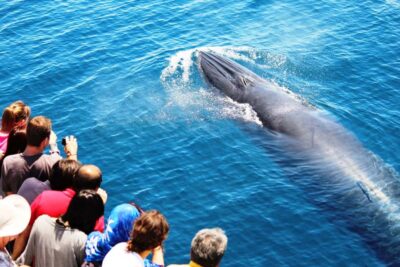
Auckland: Whale and Dolphin Watching Half-Day Eco Cruise
Read our review →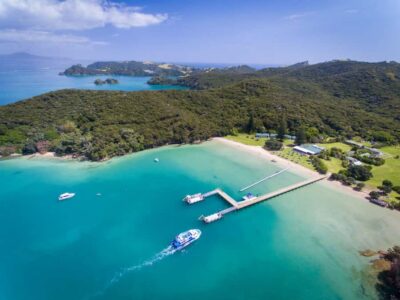
Paihia/Russell: Hole in the Rock, Dolphins & Island Cruise
Read our review →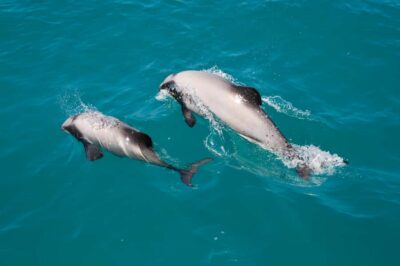
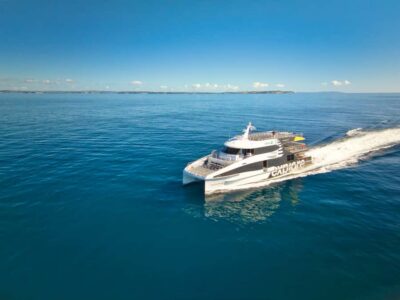
Auckland: Tikapa Moana Whales, Dolphins and Islands Cruise
Read our review →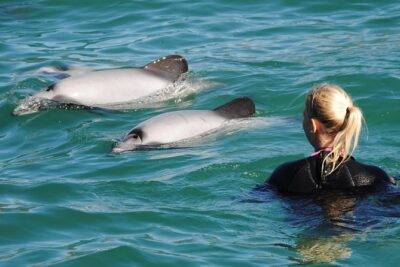
This trip also appears in