
Review · NEW ZEALAND
Auckland Dolphin and Whale Watching Eco-Safari Cruise
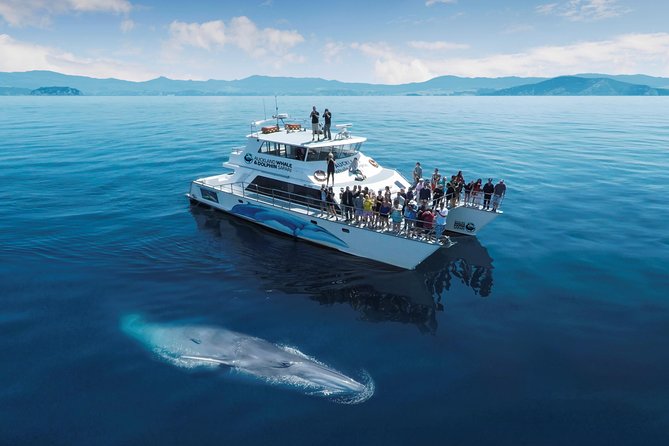
A pod of dolphins racing beside a 65-foot catamaran is the real prize here, but this cruise offers more than a quick wildlife encounter. I like the marine research focus, with scientists explaining the animals and conservation work, and I like the wide views of Rangitoto, Motutapu, and the Hauraki Gulf. You also get a proper 4.5-hour search rather than a short harbor ride.
The main caution is simple: wild animals set the schedule. You might see several dolphin pods, whales, penguins, seals, and seabirds, or only a few dolphins. The boat can carry up to 99 people, and full departures may feel crowded around the rails, especially in rain or rough water.
Key points to know before you book
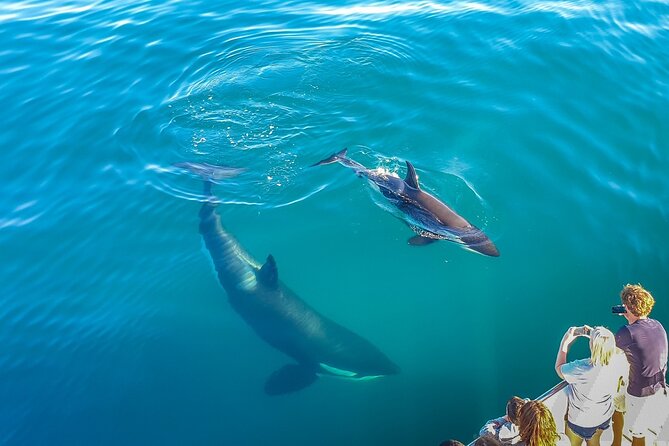
- Dolphins are often the most dependable sighting, with pods sometimes swimming and playing beside the boat for 30 minutes or more.
- Whales are possible but never certain, and the crew may spend much of the cruise searching for them.
- Marine scientists provide the commentary, linking the trip to ongoing research and conservation work.
- The 20-meter catamaran offers indoor and outdoor viewing, though prime rail space can disappear on a full sailing.
- A free return trip is offered if no marine mammals are seen, though this helps most if you live nearby or have flexible plans.
- Weather preparation matters, since wind, rain, sun, and spray can all affect comfort during the 4.5-hour outing.
From Viaduct Harbour into Auckland’s marine world
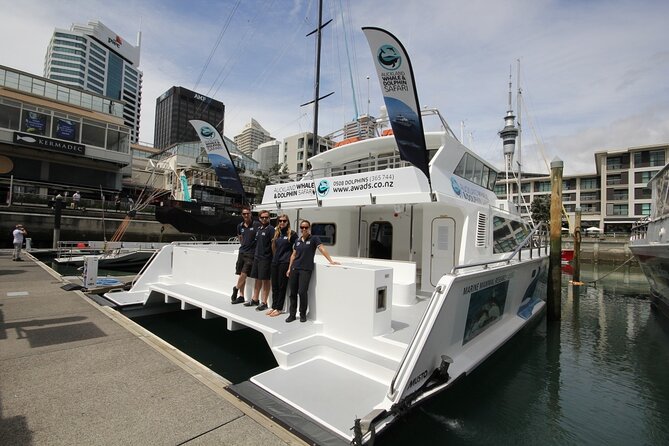
You meet the crew at the New Zealand Maritime Museum in Auckland’s Viaduct Harbour. This is a handy downtown departure point, especially if you are staying near the waterfront or using public transport. There is no hotel pickup, so plan to reach Eastern Viaduct in Auckland Central on your own.
Check-in closes 15 minutes before departure. Treat that as a firm deadline, not a suggestion. Late arrivals risk losing their allocated seats, which matters on a busy sailing.
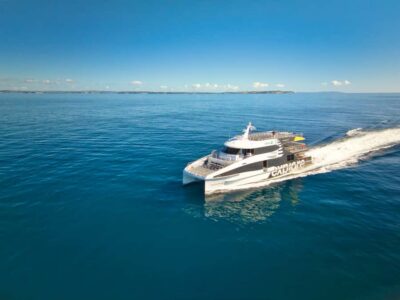
The vessel is a custom-built 65-foot, or 20-meter, catamaran. It has seating inside and outside, toilets, and a small onboard shop selling snacks and drinks. You are not buying a luxury yacht cruise, but you are getting a boat designed for wildlife viewing, with room to move between sheltered and open-air areas.
The first stretch takes you past the Maritime Museum, Viaduct Harbour, and the Auckland Harbour Bridge. These opening views help you shift from city sightseeing to open-water searching. Keep your camera ready, but do not expect the wildlife search to begin at full speed right away. The cruise also provides a useful view of Auckland’s waterfront from the water.
More Whale and Dolphin Watching Tours in New Zealand:
- Auckland: Whale and Dolphin Watching Half-Day Eco Cruise
★ 4.5 · 1,072 reviews - Auckland: Tikapa Moana Whales, Dolphins and Islands Cruise
★ 3.9 · 292 reviews - Auckland: Tikapa Moana Dolphin, Whale and Island Cruise
★ 4.0 · 17 reviews
Rangitoto and the outer Waitemata Harbour
Rangitoto Island is one of the trip’s most recognizable sights. Its volcanic form gives the cruise a strong sense of place as the boat moves away from the city. You may spend only part of the outing near the island, but it helps frame the Gulf and gives you excellent scenery even during a quiet wildlife period.
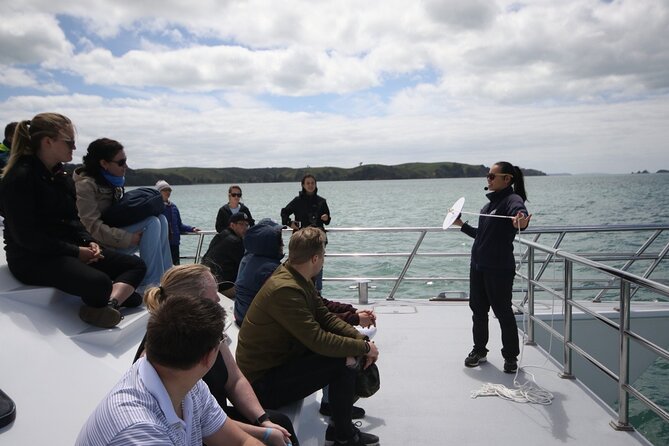
The boat then works through the Waitemata Harbour toward the Hauraki Gulf. The crew shares information about the region’s islands, marine habitats, and the five marine preserves within the wider marine park. The commentary is part natural science lesson, part practical wildlife guide: you learn what the crew is tracking and why certain sightings matter.
Audio quality can vary when the boat is full or the wind rises. One useful strategy is to stay near the main commentary area when the scientists are speaking, then move outside when the crew begins watching for animals. If you remain at the back of the boat all day, you may miss some of the spoken information.
Searching the Hauraki Gulf for whales and dolphins
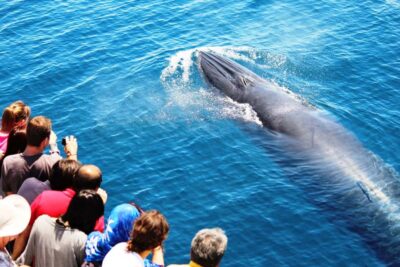
The main search area is the Hauraki Gulf Marine Park, described as home to about 23 marine species. The crew may look for up to six types of whales, including Bryde’s whales, which are native to New Zealand waters.
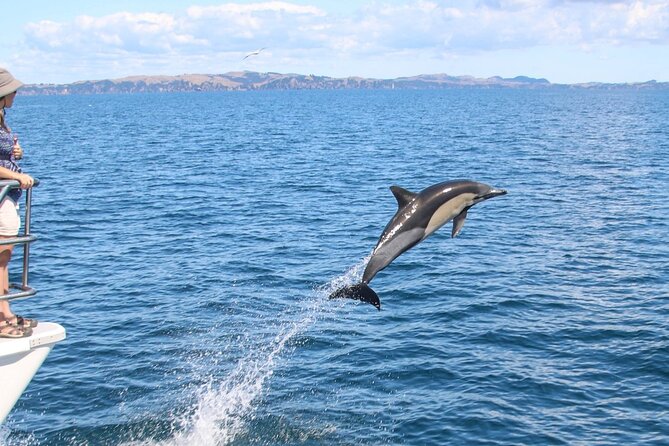
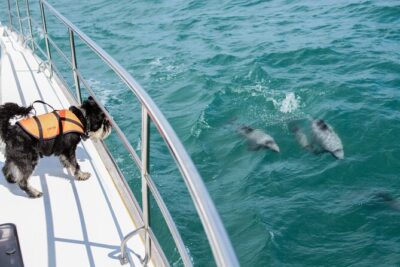
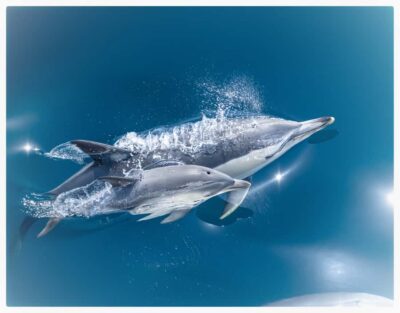
Dolphins are often the highlight. Bottlenose dolphins may travel in pods, surface repeatedly, or move alongside the bow. The most exciting sightings happen when dolphins choose to approach the boat and play near the front. A number of passengers have seen pods with babies, and some encounters have lasted close to half an hour.
The front deck is a strong viewing spot while the boat is underway, but it is also exposed to wind and spray. One useful warning: it can be colder there than you expect, even on a sunny Auckland day. Wear layers, keep a weatherproof outer layer close, and choose flat-soled shoes.
Whales are less predictable. Bryde’s whales and other species may appear briefly, and the crew can spend extra time looking when conditions allow. Some outings produce multiple whale sightings, while others produce no whales at all. The crew cannot call an animal into view, and the size of the Gulf makes patience part of the deal.
If no marine mammals appear during your trip, you can take another cruise on a different day without paying again. That is a fair policy, but it has limited value if you are visiting from overseas and leaving Auckland soon. If whale watching is a major goal, schedule this cruise early in your Auckland stay so you have a chance to use the return option.
Motuihe, Motutapu, and Tiritiri Matangi
The route includes Motuihe Island and Motutapu Island, both part of the Gulf’s island setting. You do not get a land stop, so think of these as scenic reference points rather than island visits. They add variety to the cruise and show how much protected land sits close to Auckland.
Tiritiri Matangi Island also appears on the route. Its presence reinforces the conservation theme of the outing. The crew’s work is not limited to pointing at animals for photographs. Every ticket contributes directly to marine mammal conservation, and the onboard scientists explain research carried out with local marine partners.
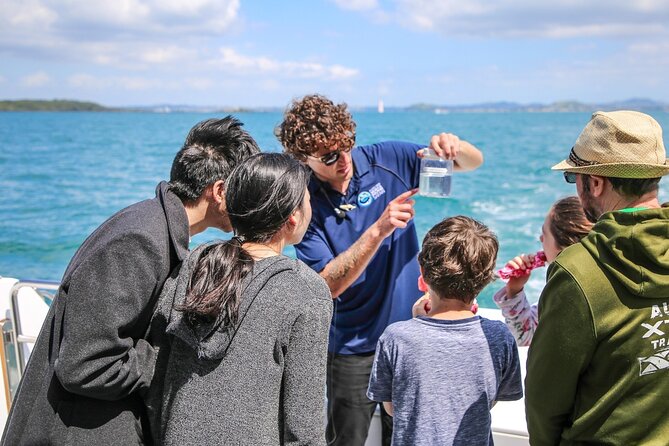
That connection gives the cruise more substance than a simple sightseeing ride. If you care about conservation, you can see where part of your fare goes and learn how marine data is gathered. The experience remains recreational, but the research element gives the wildlife sightings a useful context.
More Dolphin Watching Cruises in New Zealand:
- Akaroa Dolphins ~ Harbour Nature Cruise
★ 5.0 · 2,143 reviews - Paihia/Russell: Hole in the Rock, Dolphins & Island Cruise
★ 4.6 · 821 reviews - Akaroa: Dolphin Nature Cruise
★ 4.9 · 440 reviews - Akaroa Harbour 2-Hour Dolphin Nature Cruise
★ 4.7 · 235 reviews
Blue penguins, seals, sharks, and rare seabirds
Do not focus only on whales and dolphins. The Gulf can also produce sightings of seals, blue penguins, and several types of seabirds. Australasian gannets, petrels, shearwaters, and white-fronted terns may appear above the water or plunge into it.
Blue penguins are small and easy to miss, so binoculars help. The same is true of distant seabirds and brief seal sightings. Bring your own binoculars if you have them, though the tour information specifically recommends carrying them rather than promising equipment for everyone.
Some outings have included hammerhead sharks along with whales, dolphins, and birds. That should be treated as an unusual bonus, not part of the standard promise. The point is that the Gulf offers more than one kind of wildlife encounter, and a day without whales can still be worthwhile if you pay attention to the smaller sightings.
A camera with a fast response is useful, but you should also allow yourself time to watch without it. Dolphins can surface in several places at once, and a crowded rail can make it hard to frame every moment.
What the boat feels like with up to 99 people
The catamaran is described as comfortable and stable, and many passengers find there is enough room to sit and watch. Still, the maximum group size is 99 people. That is a sizeable crowd for a wildlife boat.
On a calm day, the number may not bother you much. You can sit outside, move between viewing areas, and enjoy the islands. On a wet day, people naturally gather under cover. If an animal appears, several rows of people may form along the edge, and getting a clear photo can take patience.
The crew asks people to rotate and give others a chance to see. That system works best when everyone cooperates. If you need a particular seat or want to stay near the rail, arrive early for check-in and settle in before the boat fills its viewing spaces.
The boat has indoor areas for shelter, but this is still an outdoor marine excursion. Rough water has been reported, and even a stable vessel cannot remove all motion. If you are sensitive to seasickness, think carefully about the 4.5-hour duration and ask about your own needs before booking. The supplied information does not promise medication or special seating.
Timing, price, and practical value
At $135.91 per person, this is not a cheap harbor cruise. I think the price makes more sense if you value the full search period, marine science commentary, conservation contribution, and access to the outer Gulf. You are paying for time on the water, not a guaranteed whale photograph.
The 4.5-hour duration is important. A shorter trip might be easier on your schedule, but this cruise gives the crew more time to cover the Gulf and respond to animal movements. The same length can feel long if the sea is rough and sightings are scarce. Set your expectations around a marine expedition, not a fixed parade of wildlife.
Food and drinks are not included, though you can buy snacks and beverages onboard. Bring sunscreen, sunglasses, a sun hat with a chin strap, a camera, binoculars, warm layers, and weatherproof gear. A chin strap is not glamorous, but it can save your hat from becoming Gulf debris.
The cruise ends back at the same Viaduct Harbour meeting point. Free cancellation is available up to 24 hours before departure. If poor weather cancels the cruise, you can choose another date or receive a full refund. The same choice applies if the minimum number of passengers is not reached.
Who will enjoy this cruise most
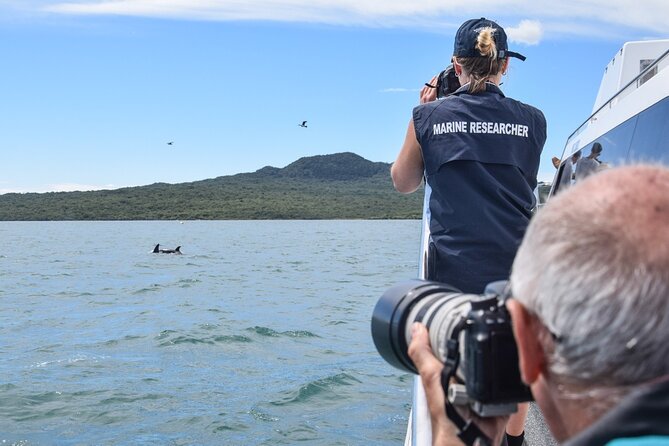
I would choose this outing if you have a genuine interest in marine life and can accept uncertainty. It suits families, photographers, birdwatchers, conservation-minded visitors, and anyone who wants to see Auckland from beyond the waterfront.
It is also a good match for people who enjoy learning while they sightsee. The marine research scientists explain the animals, the Gulf, and conservation work rather than simply announcing each sighting. You may come away with a better understanding of why some whales are tracked and why the crew gives wildlife space.
I would be more cautious if you have only one free afternoon in Auckland and need a guaranteed highlight. You could spend 4.5 hours on a choppy day with limited wildlife. The complimentary return option is generous, but it cannot solve the problem of a departing flight or a tightly packed itinerary.
The cruise is accessible to most people, and service animals are allowed. The supplied information does not describe step-free access or specific mobility arrangements, so ask the operator directly if you need those details.
Should you book the Auckland Dolphin and Whale Watching Eco-Safari?
Book it if you want a serious wildlife search with scenery, research commentary, and a conservation link. The strongest payoff is likely to be dolphins, with whales possible and other wildlife adding surprise. The crew’s effort, the island views, and the chance to see animals behaving naturally give the outing real value.
Skip it if you need a guaranteed whale sighting or dislike long periods on open water. If you do book, place it early in your Auckland visit, arrive well before the 15-minute check-in cutoff, and dress for colder conditions than the waterfront suggests. With those expectations, this is a thoughtful and exciting way to spend half a day in the Hauraki Gulf.
FAQ
Where does the Auckland Dolphin and Whale Watching Eco-Safari depart?
It departs from Eastern Viaduct at the New Zealand Maritime Museum in Viaduct Harbour, Auckland Central.
How long does the cruise last?
The cruise lasts approximately 4.5 hours.
What animals might I see?
You might see whales, bottlenose dolphins, seals, blue penguins, hammerhead sharks, and seabirds such as Australasian gannets, petrels, shearwaters, and white-fronted terns.
Are whale and dolphin sightings guaranteed?
No. Wildlife sightings cannot be guaranteed. If no marine mammals are seen, you can take the trip again on another day at no extra charge.
What kind of boat is used?
The cruise uses a custom-built 65-foot, or 20-meter, catamaran with indoor and outdoor viewing areas.
Is food included?
No. Food and drinks are not included, but snacks and beverages are available to purchase onboard.
What should I wear and bring?
Bring warm layers, weatherproof gear, a sun hat with a chin strap, sunscreen, sunglasses, a camera, binoculars, and flat-soled shoes.
How early should I arrive?
Check-in closes 15 minutes before the stated departure time. Late passengers risk losing their allocated seats.
Can I cancel for a refund?
You can cancel at least 24 hours before departure for a full refund. Cancellations or changes made less than 24 hours before departure are not accepted for a refund.
Newly spotted around New Zealand
- Kaikoura Swim with Dolphins Tour from Christchurch★ 4.5 · 27 reviews
- Akaroa with optional dolphin cruise (Small Group Tour)★ 5.0 · 3 reviews
- Akaroa Swim with Dolphins Tour from Christchurch★ 4.0 · 35 reviews
- Kaikoura Whale and Dolphin Overnight Tour from Christchurch★ 4.0 · 9 reviews
- Auckland: Tikapa Moana Dolphin, Whale and Island Cruise★ 4.0 · 17 reviews
- Paihia: Bay of Islands Dolphin Eco Cruise & Island Stopover★ 4.8 · 12 reviews
- Motuara Island Sanctuary: Wildlife & Dolphin Watching Tour★ 4.6 · 57 reviews
- From Tauranga: Dolphin and Wildlife Cruise★ 4.5 · 96 reviews
New Zealand Dolphin Watching Tours, side by side.
Auckland: Whale and Dolphin Watching Half-Day Eco Cruise
Read our review →
Paihia/Russell: Hole in the Rock, Dolphins & Island Cruise
Read our review →
Auckland: Tikapa Moana Whales, Dolphins and Islands Cruise
Read our review →
From Tauranga: Half-Day Swimming with Dolphins Tour
Read our review →This trip also appears in